Interior Doors Won’t Close? Here’s What’s Wrong
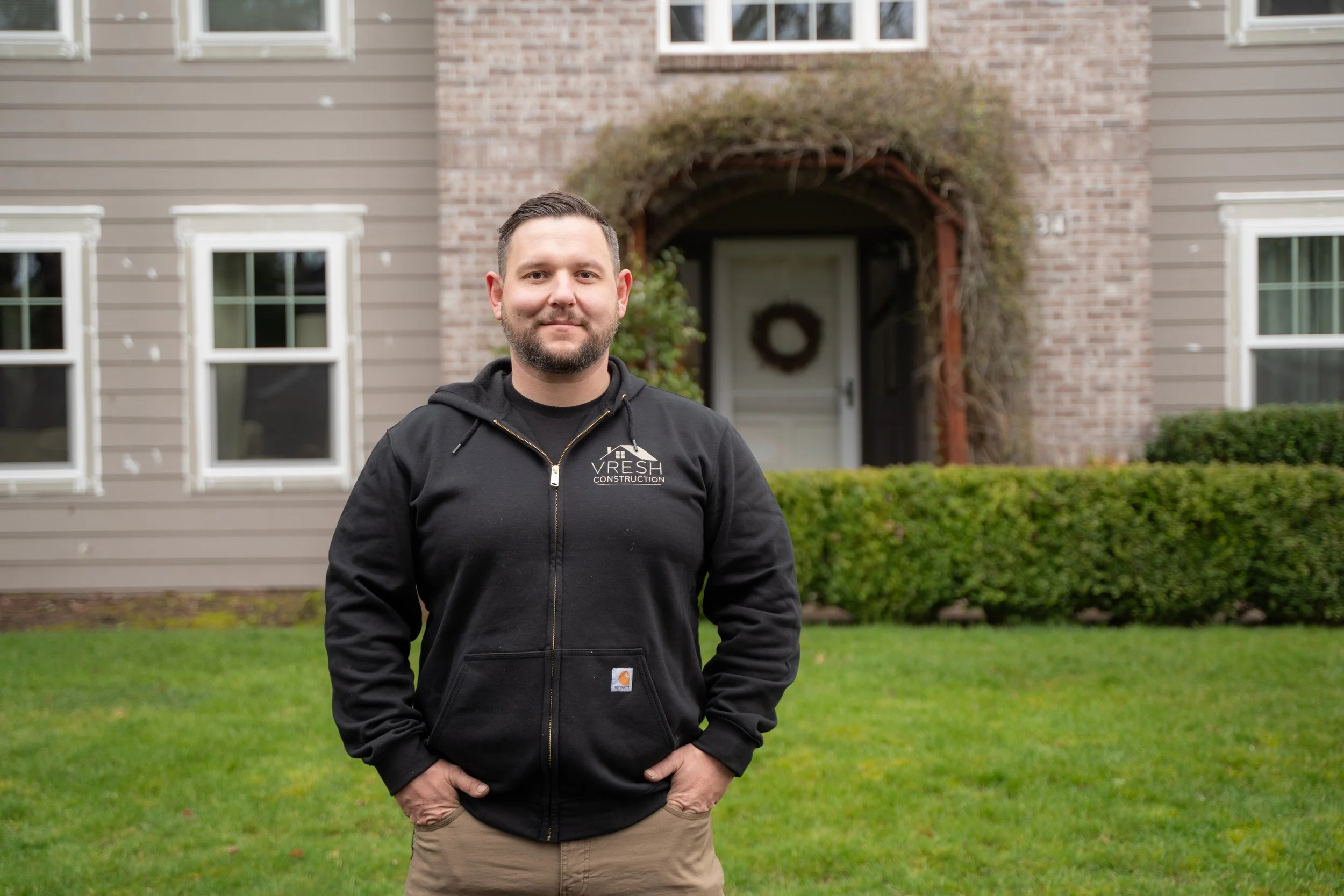
Behind every stubborn interior door is a reason — and Vresh Construction's crew has diagnosed and fixed them all, from humidity warping to shifting foundations in Portland homes.
It’s one of those small household problems that somehow becomes incredibly frustrating. You try to close a bedroom or bathroom door, and it sticks, scrapes, or refuses to latch unless you push it just right. Maybe it drags against the floor or the frame, or it pops back open no matter how hard you try to shut it.
Many homeowners ignore the issue for months—or even years. A stuck door often feels like a minor inconvenience rather than a real problem. Some people push harder, wedge something under it, or simply learn to live with it.
However, doors that won’t close properly are usually signs that something in the door system has shifted, worn out, or changed over time. Ignoring the problem can lead to damaged hardware, worn frames, and even higher indoor energy costs due to airflow between rooms.
Understanding what causes doors to misbehave is the first step toward fixing them correctly and preventing the issue from coming back.
Warped Doors: When Wood Changes Shape
One of the most common reasons interior doors stop closing properly is warping. Wood naturally reacts to its environment, especially when exposed to changes in humidity or temperature. Over time, the material can twist slightly, bow outward, or develop a subtle curve.
Even a small change in shape can cause the door to rub against the frame or floor. At first, the issue might appear as a light scraping sound when opening or closing the door. As the warping continues, the door may become increasingly difficult to shut.
Warping tends to happen gradually, which is why it often goes unnoticed in the early stages. A door that closed perfectly when it was installed might slowly shift over several seasons until it no longer fits its frame properly.
Homeowners sometimes assume the door is simply “settling,” but forcing a warped door can cause additional damage. The extra pressure places strain on hinges, screws, and the surrounding frame. Eventually, the door may require more extensive repair or even replacement.
Early intervention can make a big difference. In many cases, carefully planning the edges of the door or adjusting the frame provides enough clearance for smooth operation again.
Misaligned Hinges: A Small Problem With Big Effects
Another common cause of sticking doors is hinge misalignment. Hinges play a critical role in keeping the door balanced and properly positioned within the frame. When they shift even slightly, the door can begin to sag or tilt.
A sagging door often rubs along the top corner or the latch side of the frame. You might notice uneven gaps along the edges of the door or feel resistance when trying to close it.
Many homeowners try tightening hinge screws as a quick fix. While this can help in some cases, it doesn’t always solve the underlying problem. Over time, screw holes can become stripped, meaning the screws no longer hold tightly in the wood.
When this happens, the hinge can pull away from the frame just enough to affect the door’s alignment. Even a shift of a few millimeters is enough to prevent the door from closing properly.
A more effective solution involves reinforcing the hinge mounting points. This might include filling and redrilling screw holes or replacing shorter screws with longer ones that anchor deeper into the frame. These adjustments help restore stability and keep the door properly aligned.
Moisture and Swelling
Humidity and moisture can also affect how interior doors function. Many doors are made from wood or composite materials that absorb moisture from the air. When the surrounding environment becomes humid, the material expands slightly.
This expansion can cause the door to swell just enough to rub against the frame or floor. In rooms where moisture levels fluctuate frequently—such as bathrooms or laundry areas—this problem may appear and disappear depending on the season.
Homeowners sometimes attempt to sand or trim the door to fix the issue. While that may help temporarily, it doesn’t address the underlying cause if humidity remains high.
A better long-term solution involves managing the moisture levels in the space. Proper ventilation, exhaust fans, or dehumidifiers can help stabilize indoor conditions. Once humidity is under control, minor adjustments to the door may restore a smooth fit.
Frame Shifting Over Time
While many people assume the door itself is the problem, the frame can often be the real culprit. Buildings naturally settle over time, and even small shifts in structural components can affect door alignment.
When a frame moves slightly out of square, the door may begin rubbing against the jamb or failing to latch properly. This can happen gradually as the building ages or after structural changes elsewhere in the home.
A shifting frame can also cause hinges and strike plates to fall out of alignment. When this occurs, the latch may no longer meet the strike plate correctly, preventing the door from closing securely.
Fixing frame issues usually requires careful adjustments. Shims can be added behind hinges or along the frame to restore proper alignment. In more severe cases, parts of the frame may need to be repositioned to create a square opening again.
Addressing frame movement early prevents additional wear on the door and hardware.
Worn or Damaged Hardware
Interior doors rely on several small components that experience constant use. Hinges, screws, latch mechanisms, and strike plates all work together to keep the door operating smoothly.
Over time, these parts can wear down. Hinges may loosen, screws may strip out of their holes, and latch mechanisms may begin to stick or misalign.
Because these components are relatively small, homeowners often overlook them when diagnosing door problems. However, worn hardware is frequently the true cause of doors that won’t close properly.
Replacing old hinges or reinforcing loose screw holes can sometimes restore full functionality without requiring major repairs. Even small upgrades—such as installing sturdier screws or higher-quality hinges—can improve durability and prevent future issues.
Common DIY Mistakes
When a door starts sticking, many homeowners attempt quick fixes without fully understanding the cause. While these solutions may seem helpful at first, they can sometimes create new problems.
For example, trimming the bottom of a door without identifying the real issue may leave uneven gaps once the underlying problem is fixed. Similarly, forcing a door shut repeatedly can strain hinges and damage the frame.
Another common mistake is using temporary shims or cardboard behind hinges to adjust alignment. Although this technique may provide short-term relief, it rarely offers a lasting solution.
Effective repairs begin with proper diagnosis. Determining whether the problem comes from the door, the frame, the hinges, or environmental factors is essential before making any adjustments.
When Door Replacement Becomes Necessary
While many door issues can be repaired, there are situations where replacement is the most practical solution.
Severely warped doors may no longer fit the frame even after adjustments. Doors that have experienced water damage or structural deterioration may also lose their stability and strength.
In these cases, installing a new door can provide a cleaner, longer-lasting solution. Replacement doors also allow homeowners to upgrade materials, improve insulation, or match updated interior designs.
However, replacing a door should always include evaluating the frame and hardware as well. Installing a new door into a misaligned frame may simply recreate the same problem.
Simple Checks Before Calling a Professional
Before contacting a professional, homeowners can perform a few basic inspections to better understand the issue.
Start by observing the gaps around the door. Uneven spacing along the top or sides often indicates hinge problems or frame movement. If the door scrapes along the floor, the issue may involve swelling or sagging.
Next, inspect the hinges and screws. Loose or missing screws can cause the door to shift out of alignment. Tightening or replacing these fasteners may restore proper positioning.
Also, check the latch and strike plate. If the latch doesn’t align with the strike plate, the door may fail to close securely even if everything else appears normal.
These simple observations can help identify the likely cause of the problem and guide the next steps for repair.
Preventing Future Door Problems
Once a door has been repaired or adjusted, ongoing maintenance can help prevent similar issues from returning.
Checking hinges and screws once or twice a year helps ensure that hardware remains secure. Small adjustments can be made before the door begins sticking again.
Controlling indoor humidity is also important for maintaining stable door performance. Ventilation systems, exhaust fans, and moisture control measures help reduce the environmental factors that contribute to swelling and warping.
Regular inspections may seem unnecessary when doors function normally, but they can significantly extend the lifespan of both doors and hardware.
The Value of Professional Assessment
Although many minor adjustments can be handled as DIY projects, some door issues require professional evaluation. Persistent sticking, severe warping, or frame misalignment may involve structural factors that are difficult to diagnose without experience.
A skilled contractor can examine the entire door system, including the frame, hinges, hardware, and surrounding structure. By identifying the true source of the problem, they can recommend solutions that provide long-term results rather than temporary fixes.
Professional repairs also help avoid accidental damage to frames or flooring that sometimes occurs during trial-and-error adjustments.
When doors operate smoothly, it’s easy to overlook how many components work together to make that possible. But when something goes wrong, a careful and knowledgeable approach is often the fastest path back to a properly functioning door.
Act Fast—Stop Door Problems Before They Get Worse
How can it be determined whether a door needs replacement or just adjustment?
If the door is only slightly misaligned or sagging, adjustments to the hinges or frame may resolve the problem. However, if the door is severely warped, swollen, or structurally damaged, replacement may be the more reliable solution.
Can a sagging door be fixed without removing it?
Minor sagging can sometimes be corrected by tightening hinge screws or replacing them with longer ones that anchor more securely into the frame. More significant sagging may require removing the door to adjust hinges or repair mounting points.
Why do some doors stick only during certain seasons?
Seasonal humidity changes can cause wooden doors to expand or contract. Higher moisture levels in the air may cause the door to swell slightly, making it rub against the frame. When humidity drops, the door may shrink back to its original size.
What happens if a door that won’t close properly is ignored?
Ignoring the problem can lead to increased wear on hinges and hardware. Over time, the frame may also become damaged, which can make repairs more complicated and costly.
Can adjusting hardware fix most door issues?
In many cases, yes. Tightening or replacing hinges, screws, or latch components often resolves alignment problems. However, if the door or frame has warped significantly, additional repairs or replacement may be necessary.
Planing the door treats a symptom the house created. Doors that stop closing in one season are following the frame, and the frame is following moisture or settlement. VResh Construction looks at the opening before the door — interior door replacement in Portland, general contractor in Clackamas. Free estimate: (503) 272-6436.