
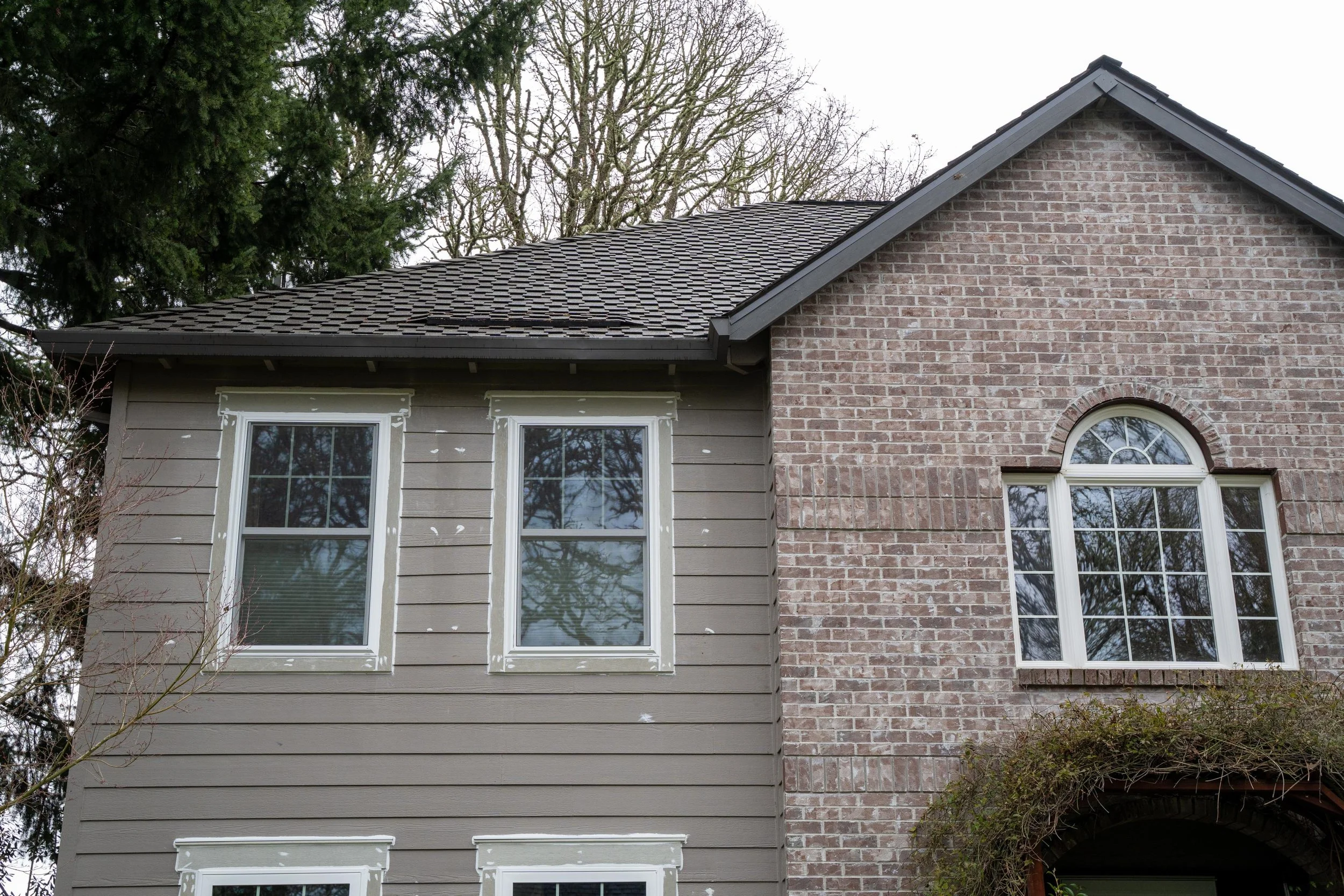
Roof Repair in Portland, OR — Find the Leak, Fix the Source
Active Leak Diagnosis. Flashing Repair. Pipe Boot Replacement. Storm Damage. Emergency Response Available 24/7. Licensed OR #241979 | WA #VRESHCL776ND.

A ceiling stain. Water dripping from a light fixture. A dark spot on the drywall that wasn't there before yesterday's rain. Roof leaks are rarely ambiguous once they reach the interior — but finding the actual entry point on the roof is where it gets complicated. Water travels. The stain on your ceiling is rarely directly below where the water entered the roof. Diagnosing a roof leak correctly before replacing parts is the difference between a repair that works and one that doesn't.
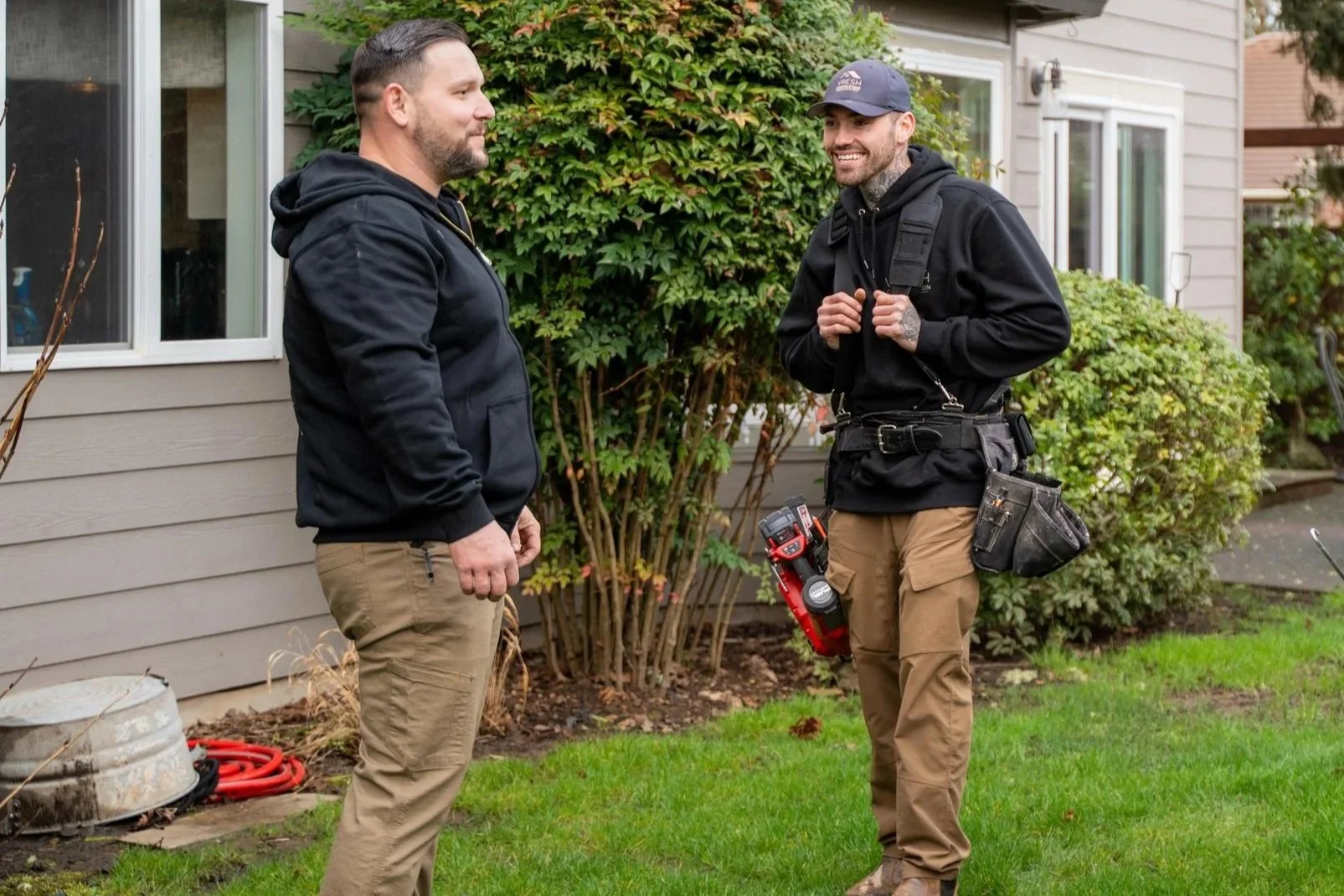
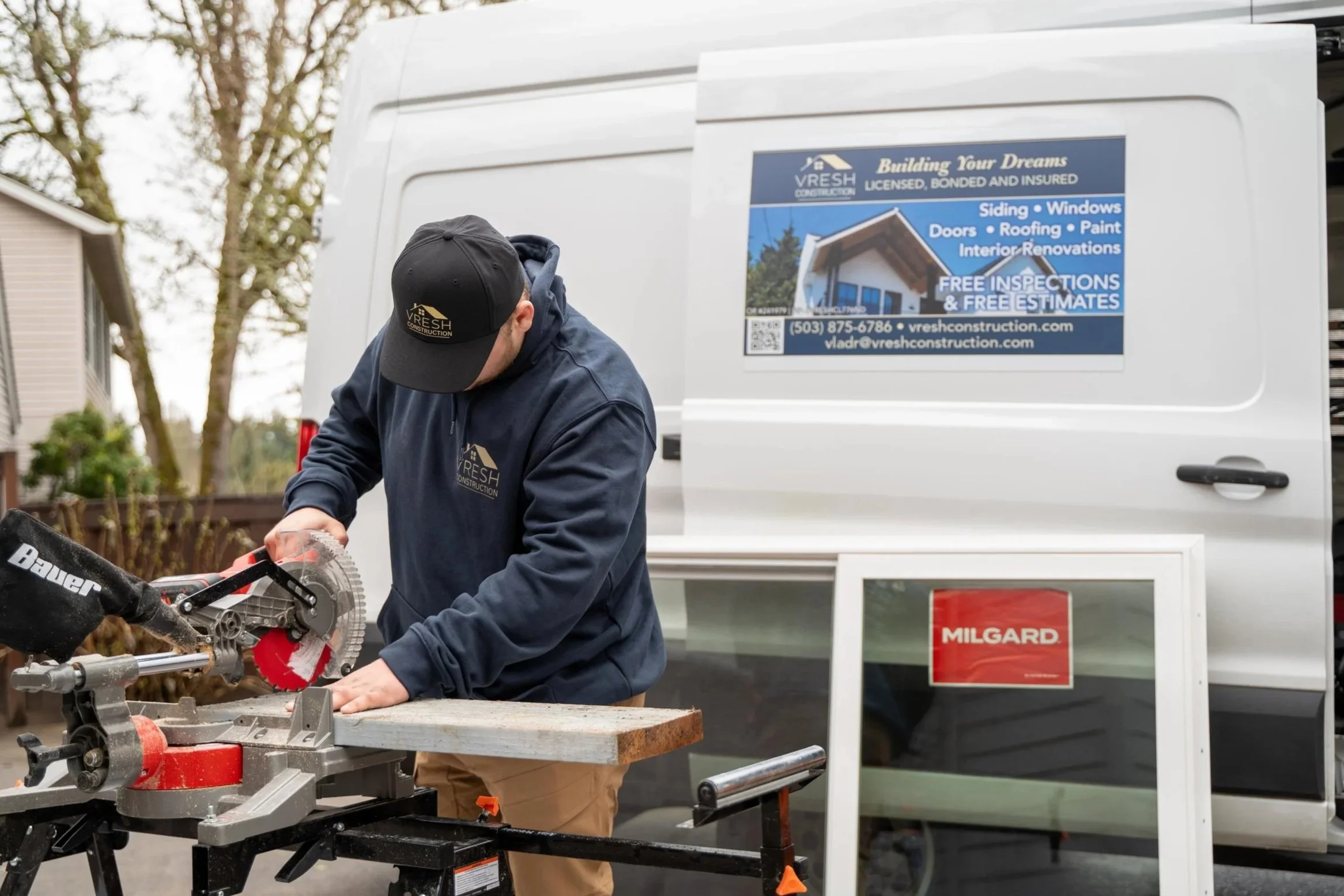
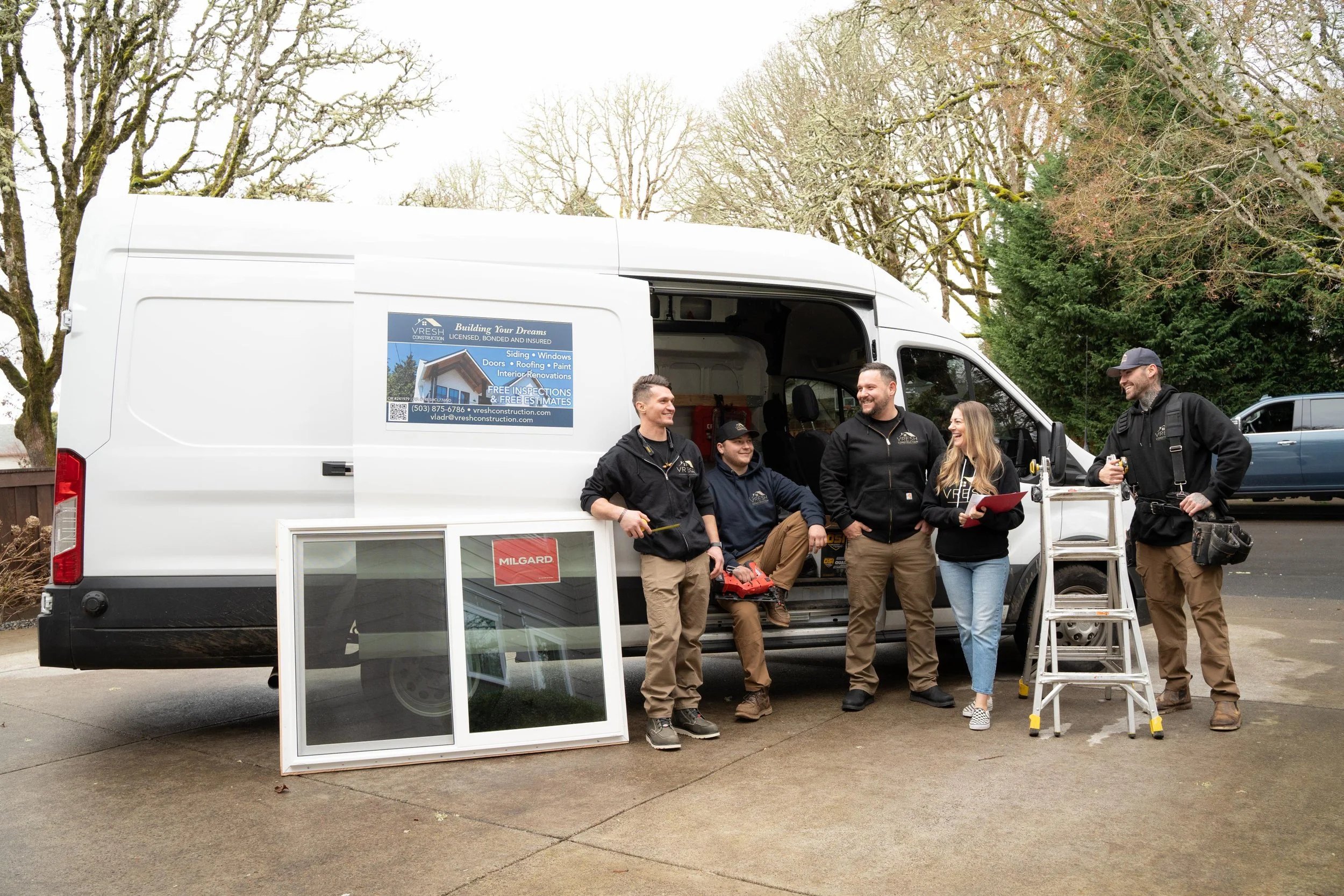
VResh Construction diagnoses and repairs all residential roof leak sources in Portland and Southwest Washington. We are available 24/7 for storm emergencies and active leak situations. We find the actual entry point, fix the source — not just the symptom — and document what we found and what we did.
Diagnosis Before Repair
We find the actual entry point — not the stain on the ceiling
Available 24/7
Emergency response for active leaks and storm damage
EPA Lead-Safe Certified
Pre-1978 homes handled safely and in compliance
Licensed & Insured
OR #241979 | WA #VRESHCL776ND
Written Diagnosis & Scope
You know what we found and what we did — always
Workmanship Warranty
On all repair work performed
(503) 272-6436— Call or Text, Available 24/7
We answer calls and texts at any hour. For storm damage, active leaks, or structural emergencies, calling directly is the fastest path to a response.
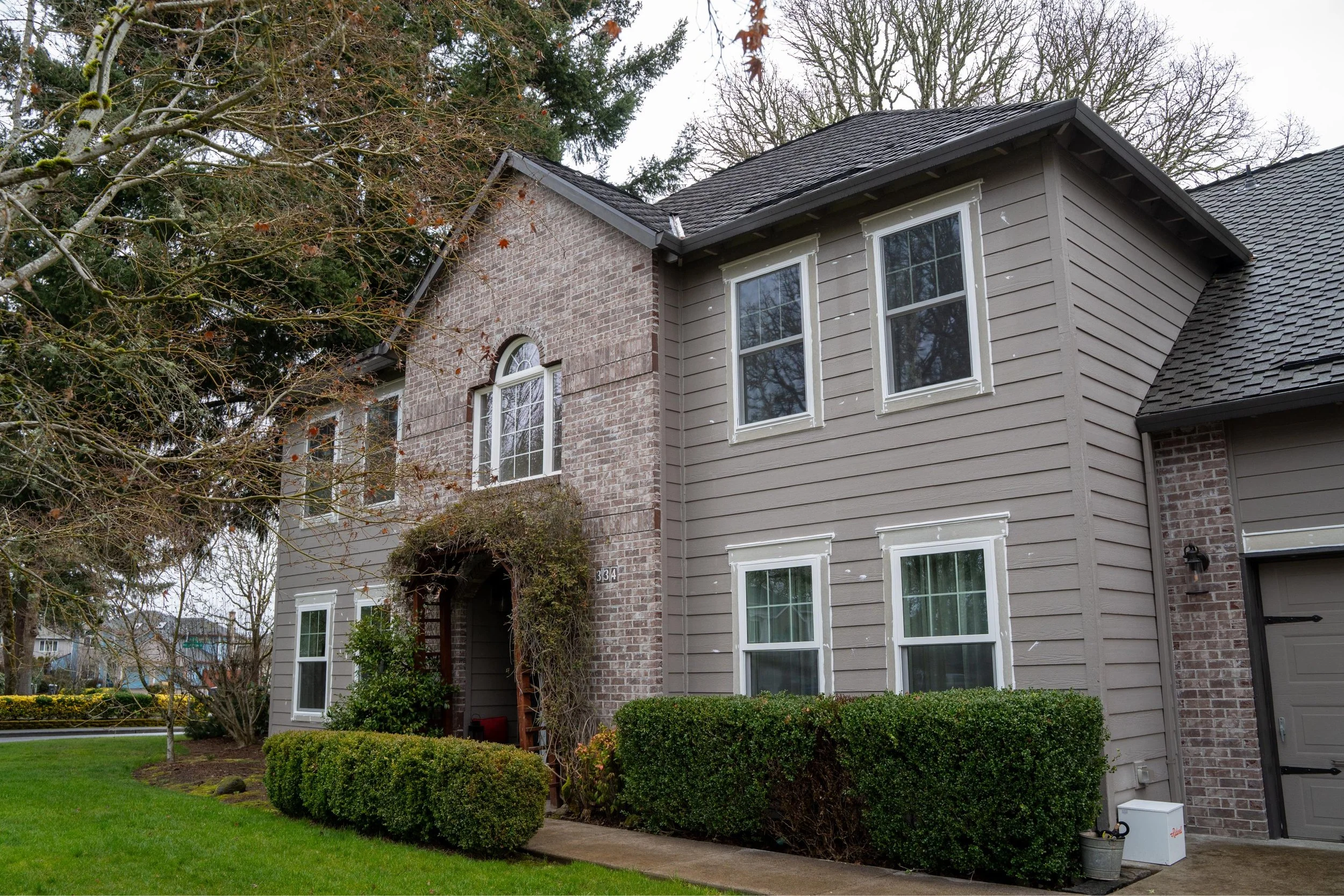
The Most Common Roof Leak Sources on Portland Homes
In our experience across hundreds of Portland-area roofing projects, roof leaks concentrate at predictable locations — almost always at transitions, penetrations, and flashing details rather than in the middle of a shingle field. Here is where we look first, and why.
Pipe Boot Flashing (Most Common Single Source)
Neoprene pipe boot flashings — the rubber collars around plumbing vent pipes — are the single most common source of roof leaks we encounter on Portland homes with 10–20-year-old roofs.
Neoprene degrades in UV exposure. The collar cracks, separates from the pipe, or shrinks — and water that was running off the pipe now runs under the shingle around it and into the attic.
A failed pipe boot rarely causes an obvious exterior symptom. The leak shows up as a ceiling stain well inside the house from the pipe location.
Repair: Remove failed boot, install new lead or galvanized pipe boot flashing ($150–$350 per pipe). Fast, permanent fix when done correctly.
Chimney Flashing
Chimney flashing consists of step flashing at the sides, base flashing at the front, and counter-flashing (metal stepped into the mortar joints) that caps the step flashing. Any one of these elements can fail.
The most common chimney flashing failure on Portland homes: counter-flashing that has been caulked rather than properly embedded in the mortar joints, and the caulk has dried and cracked.
Repair ranges from re-sealing failed caulk joints ($200–$400) to full chimney re-flashing ($500–$1,200 depending on chimney size and accessibility).
Step Flashing at Roof-to-Wall Intersections
Where a roof surface meets a sidewall — at dormers, at additions, at garage-to-house transitions — individual step flashing pieces are interwoven with shingles and direct water down the wall away from the junction.
Improper original installation (continuous flashing instead of individual step flashing pieces, or step flashing that wasn't properly integrated into the WRB) causes chronic leaks at these junctions.
This is one of the most consistently mis-installed flashing details we find on Portland homes. The repair requires removing siding to access the flashing and reinstall it correctly — not a quick fix, but a permanent one.
Valley Flashing
Roof valleys — the V-shaped intersections where two roof planes meet — channel high volumes of water during heavy rain. Valley flashing (either metal or woven shingles) is the first line of defense.
Open metal valleys that have developed nail holes from previous repairs, corroded beyond their useful life, or were originally under-sized for the valley's water volume are a frequent repair call.
Valley repairs typically involve removing the shingles on both sides of the valley, installing new ice and water shields, and installing new metal valley flashing.
Skylight Flashing
Factory-installed or field-fabricated skylight flashings that weren't installed with a proper flashing kit — or that have degraded after 15–20 years — are a common source of ceiling stains in Portland homes.
Many older skylights were installed without the modern curb-mount flashing kit that integrates the skylight into the roof system. These rely on sealants that eventually fail.
Skylight re-flashing typically runs $300–$600 per skylight and is far less expensive than skylight replacement when the unit itself is sound.
Emergency Roof Leak Response — Available 24/7
Storm damage, a tree falling on the roof, or an active leak during heavy rain that is damaging interior finishes — these situations can't wait for business hours. Call (503) 272-6436 at any hour. We are available 24/7 for roofing emergencies and will respond with emergency tarp and board-up services to stop ongoing damage while a permanent repair is scheduled.
We install heavy-duty tarps over affected roof areas to stop active water intrusion while a permanent repair or replacement is scheduled.
For storm damage involving structural compromise (large branch through the roof, structural framing damage), we perform emergency board-up and sheathing stabilization.
For insurance claims involving storm damage, call us before making any temporary repairs yourself — document the damage with photos first, then call for emergency service.
Available 24/7 — (503) 272-6436.
Emergency Tarp & Temporary Repair Service
How Our Roof Repair Process Works
Storm Damage and Insurance Claims — What You Need to Know
Document Before You Repair
If your roof damage was caused by a storm, wind, hail, or a fallen tree, document the damage thoroughly with photos and video before any temporary repairs are made. Insurance adjusters want to see the damage in its original condition — temporary tarping after documentation is appropriate and recommended, but do not have permanent repairs completed before your adjuster has reviewed the damage.
VResh will work around your insurance process — we can provide a written damage assessment and repair estimate for your insurer, and we can meet with your adjuster on-site to walk through the damage.
Working With Your Adjuster
We provide written damage assessments in a format that supports insurance claims — itemized, photographically documented, and specific about what was damaged and the repair scope.
We do not recommend contractors who promise to cover your deductible or offer to waive it. This practice is insurance fraud in Oregon and a red flag about how a contractor operates.
What Most Homeowner Policies Cover
Most standard homeowner insurance policies cover sudden and accidental damage from storms, wind, hail, and falling trees. They do not cover gradual deterioration, maintenance neglect, or damage caused by pre-existing conditions before the policy was in force.
A roof that has been leaking at a flashing for two years due to a failed pipe boot installed 15 years ago is generally not covered. A roof that was in serviceable condition and was damaged by a windstorm last night generally is.
If you are unsure whether your damage is covered, call us—we will give you an honest assessment of what is likely to qualify as a claim vs. what is maintenance/deterioration.


Client's Talk
We have a wealth of experience working as main building contractors on all kinds of projects, big and small, from home maintenance and improvements to extensions, refurbishments and new builds.

Serving Portland Metro Area
VResh Construction provides window replacement, siding installation, roofing, dry rot repair and full exterior renovation services throughout the Portland metro area and Southwest Washington.