
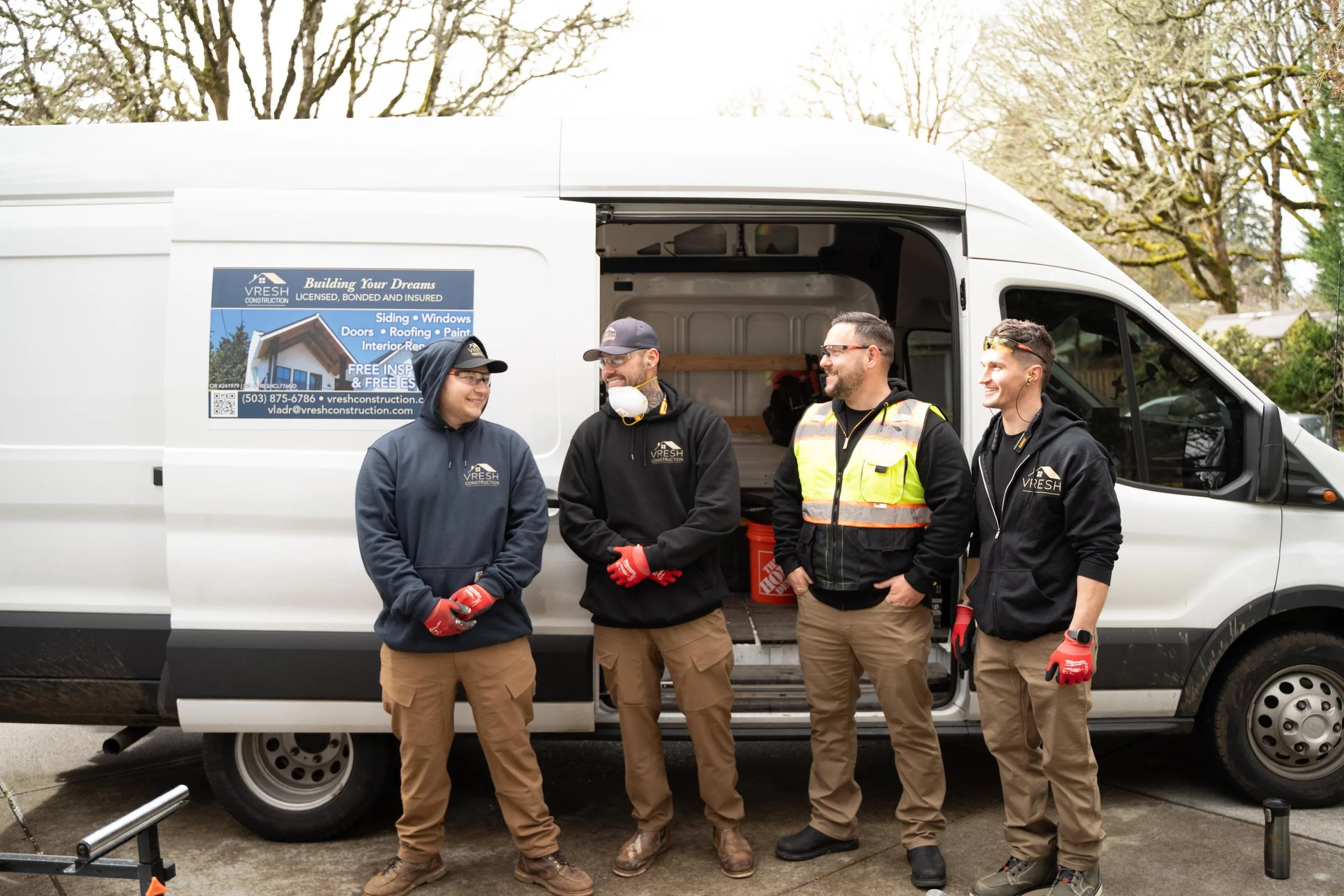
Interior Trim & Molding in Portland, OR
Crown Molding. Base Molding. Door and Window Casing. Wainscoting. Custom Profile Matching. Finish Quality That Shows Our Craftsmanship. Licensed OR #241979.

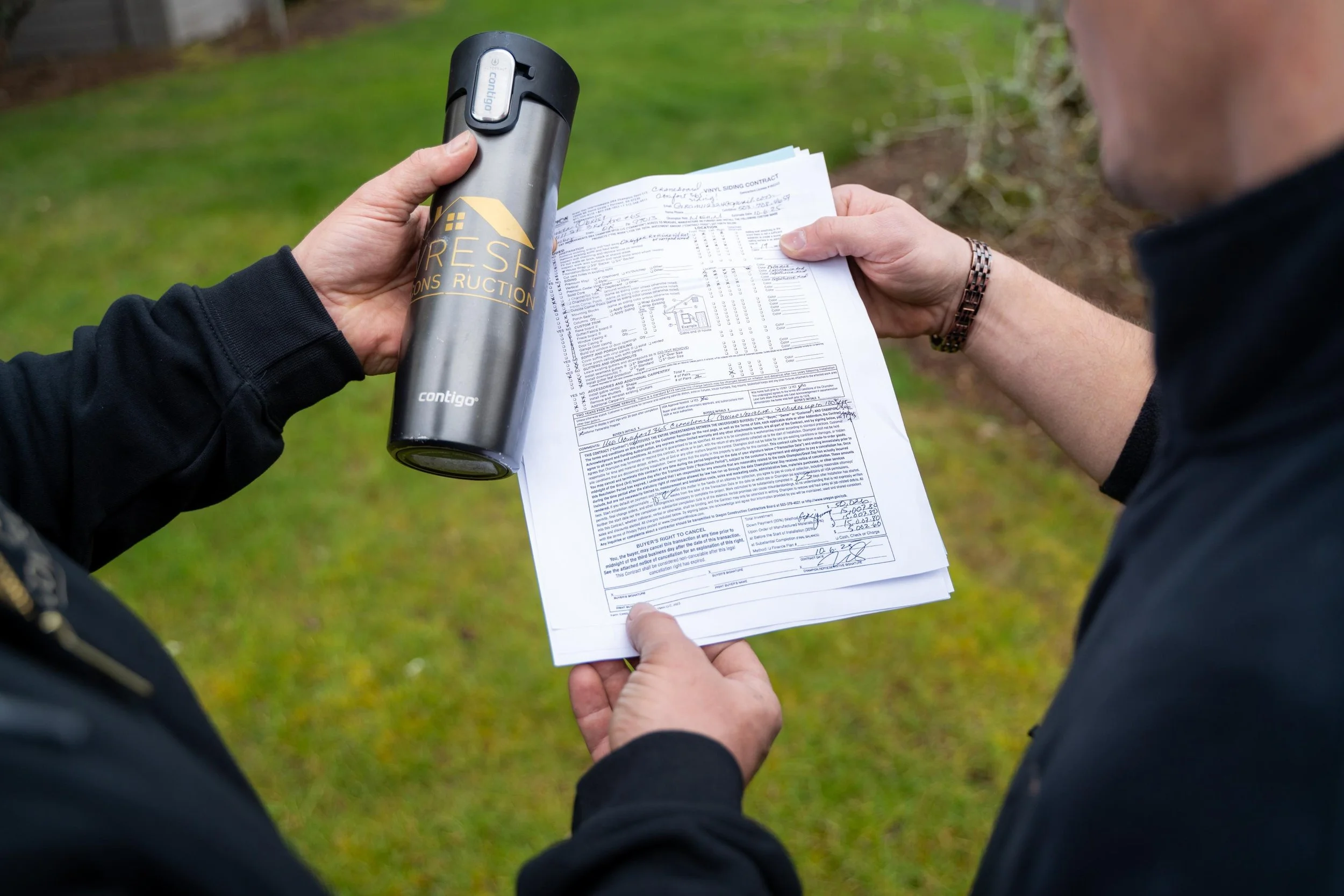
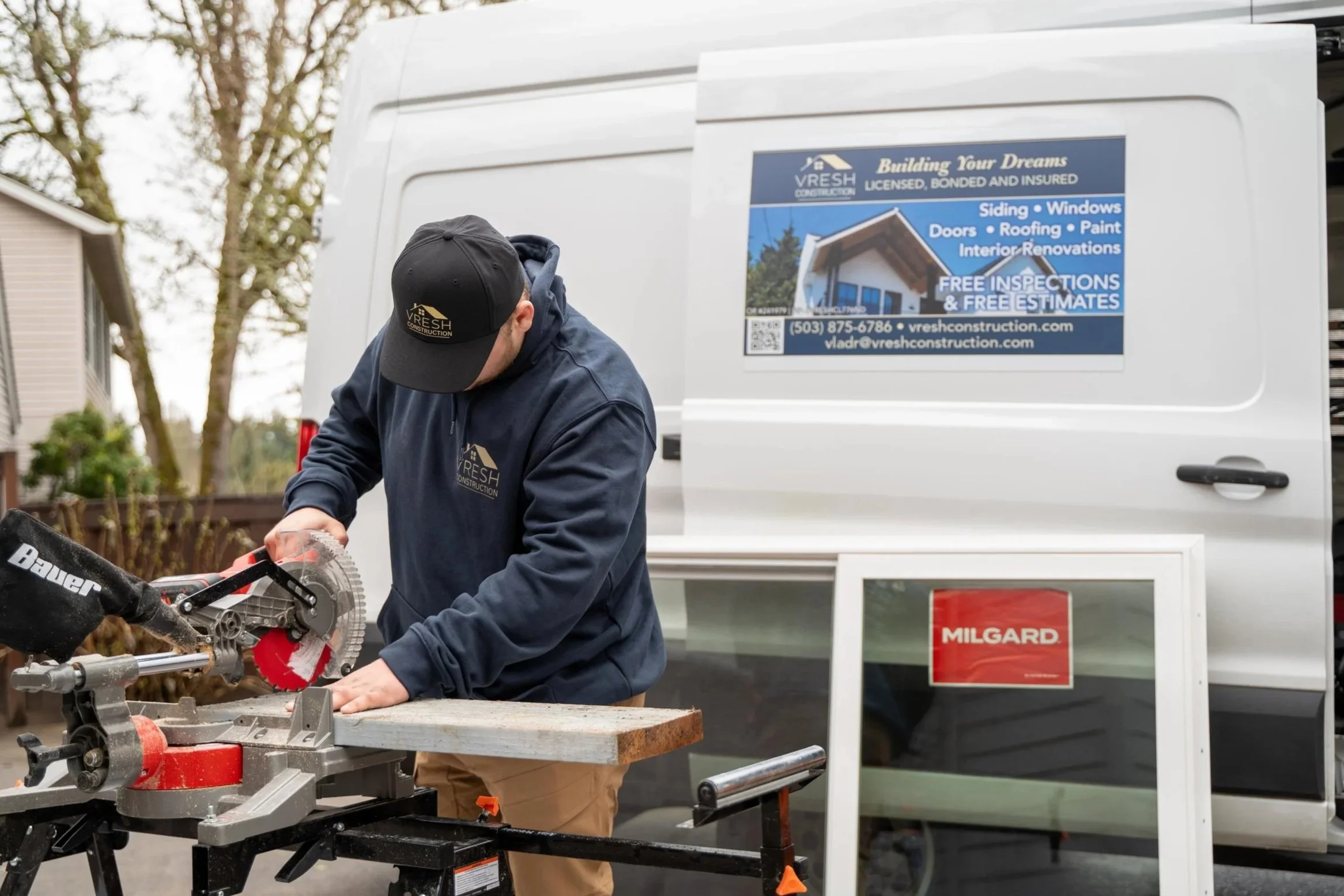
Interior trim is where construction technique becomes visible to everyone who walks through your home. Properly installed trim — coped inside corners, mitered outside corners, cleanly scribed to irregular walls — requires patience and skill. Trim installed with butt joints at inside corners, gaps that rely entirely on caulk to disappear, or baseboard that steps away from the wall before it reaches the corner is a permanent reminder of who built it. VResh Construction installs interior trim with the same attention to technique that we bring to exterior work.
Coped Corners Standard
Not butt-jointed — proper cope at all inside corners
Paint-Ready Finish
Filled, sanded, and primed — ready for your painter
5–10 Year Workmanship Warranty
On all interior trim installation work
Licensed & Insured
OR #241979 | WA #VRESHCL776ND
Profile Matching
Existing profiles matched for additions and repairs
(503) 272-6436 — Call or Text, Available 24/7
We answer calls and texts at any hour. For storm damage, active leaks, or structural emergencies, calling directly is the fastest path to a response.
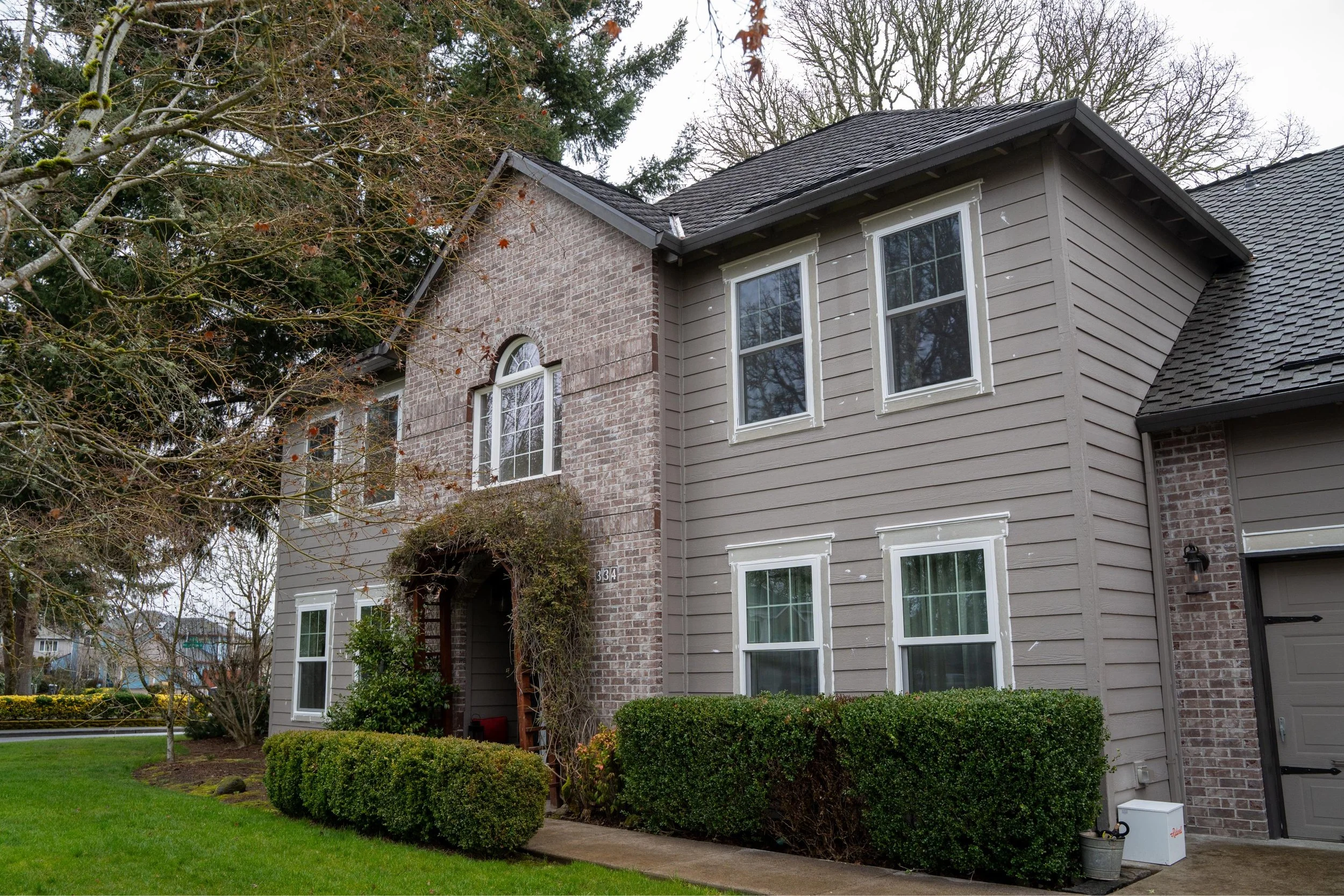
Interior Trim Services We Offer
Crown Molding
Crown molding at the ceiling-wall intersection is one of the highest-impact trim upgrades available — it visually raises ceiling height, adds architectural character, and is a hallmark of high-quality interior finish. Crown molding installation requires accurate compound miter cuts at inside and outside corners and careful scribing to walls and ceilings that are rarely perfectly flat.
We install flat-profile crown, bed molding, and built-up crown assemblies (combining multiple profiles for a more substantial appearance). Profile selection is guided by the architectural character of the room and the scale of the space.
For rooms with out-of-square corners or wavy walls — common in Portland's older bungalows and ranch homes — we use blocking and scribing techniques rather than gaps covered with caulk.
Base Molding and Baseboard
The baseboard covers the gap between the finished floor and the wall, and is one of the most visible trim elements in any interior. We install baseboard profiles from standard colonial and ranch profiles to custom tall baseboards with built-up cap moldings.
All inside corners are coped, not butt-jointed. Coped corners stay tight as the wood moves seasonally — butt-jointed inside corners open up and require constant recaulking.
We scribe baseboard to irregular floors and walls rather than relying on caulk to fill gaps. On older Portland homes with plank subfloor and settled framing, careful scribing is essential for a clean result.
Door and Window Casing
Interior door and window casing frames the opening and covers the gap between the jamb and the rough framing. It is the trim most homeowners see most often — and where trim quality is most visible.
We install all standard casing profiles — colonial, craftsman, modern flat, and custom profiles. For homes with existing casing that needs to be matched — for a new door, an addition, or a replacement — we stock and source matching profiles.
Window casings include stool and apron at the sill in addition to the side and head casings. Properly fitted stool and apron are a sign of quality finish work; most budget installations omit them in favor of a simple picture-frame casing all around.
Wainscoting and Board-and-Batten
Wainscoting — applied panels covering the lower portion of a wall, typically from floor to chair-rail height — adds significant character to dining rooms, hallways, and entryways. We install traditional raised-panel, flat-panel, and beadboard wainscoting.
Board-and-batten, either on interior accent walls or as a full-height treatment, is a currently popular design choice we install throughout Portland homes.
Chair rail molding, picture rail, and built-up panel molding assemblies are all part of our trim capability.
Stair Treads, Handrails, and Newel Posts
Stair trim — oak or other hardwood treads, painted or stained handrails, newel posts, and baluster assemblies — combines millwork and carpentry skills. We install and repair stair trim as part of interior remodeling projects.
For stairs transitioning from carpet to hardwood, we replace the original pine treads with hardwood treads, refinish or replace the handrail, and provide a complete interior stair finish.
Serving Portland Metro Area
VResh Construction provides window replacement, siding installation, roofing, dry rot repair and full exterior renovation services throughout the Portland metro area and Southwest Washington.
Portland Metro — Oregon
Southwest Washington
Extended Service Areas


Client's Talk
We have a wealth of experience working as main building contractors on all kinds of projects, big and small, from home maintenance and improvements to extensions, refurbishments and new builds.