
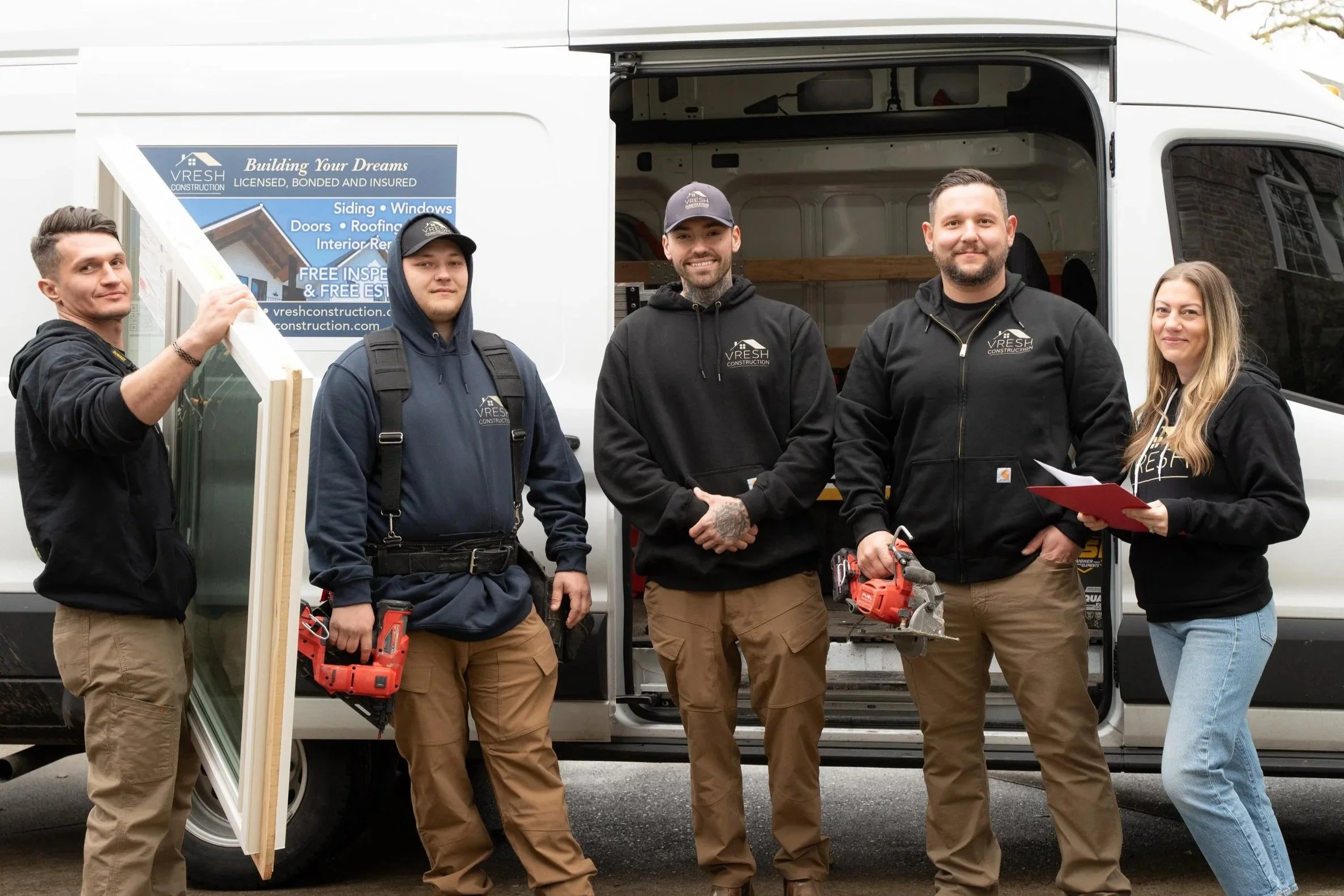
EPA Lead-Safe Certified Contractor in Portland, OR
Federal Law for Pre-1978 Homes. Proper Containment, Work Practices, and Cleanup Documentation. Required for Siding, Windows, Doors, Roofing, and Interior Work on Older Portland Homes. Licensed OR #241979.

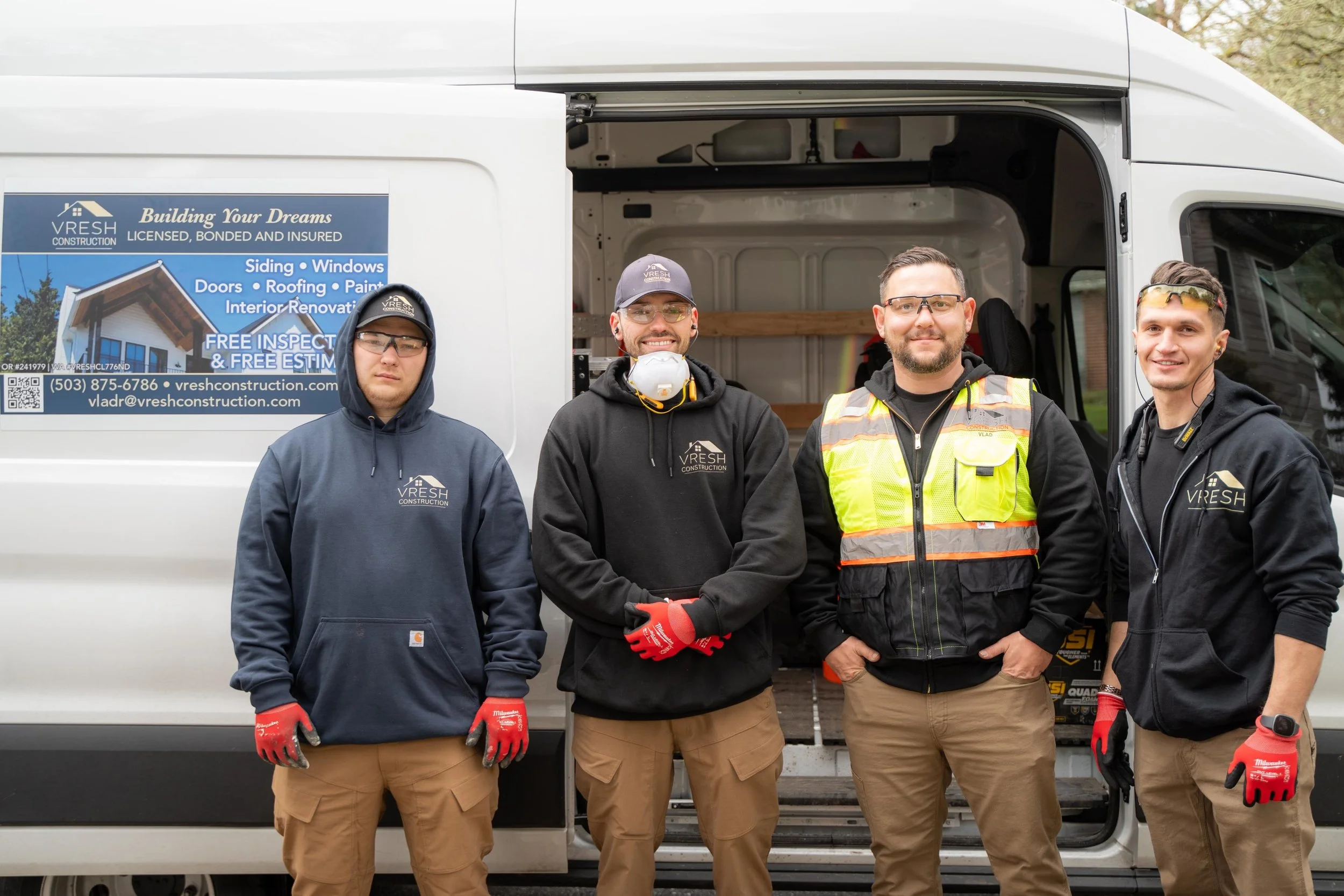
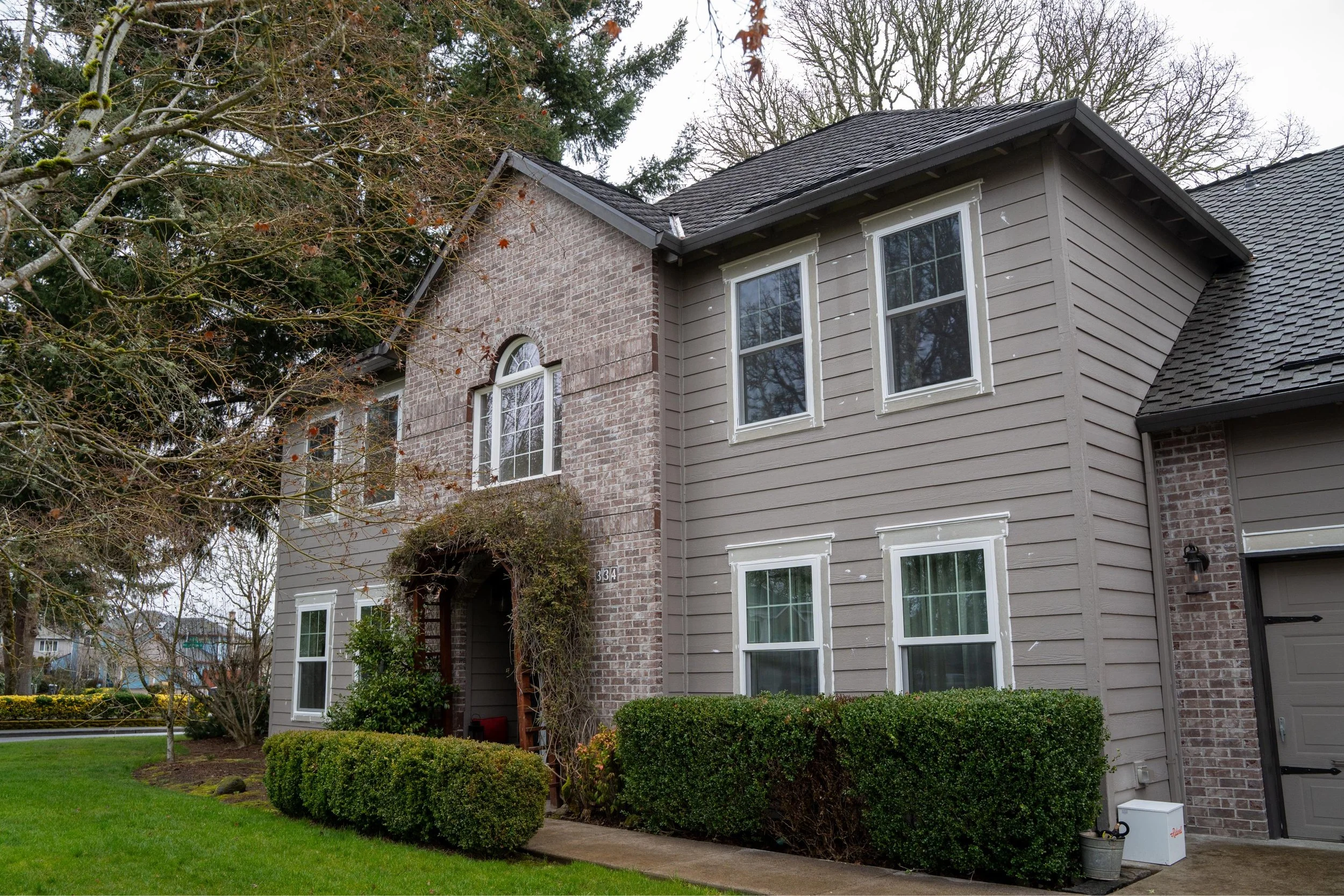
Approximately 40% of Portland's housing stock was built before 1978. If your home was built before 1978, there is a high probability that it contains lead-based paint on exterior siding, window frames, trim, doors, and interior surfaces. Federal law — the EPA Lead Renovation, Repair, and Painting Rule (RRP Rule) — requires any contractor who disturbs these painted surfaces during renovation work to be Lead-Safe Certified, follow specific work practices, and provide written documentation to the homeowner.
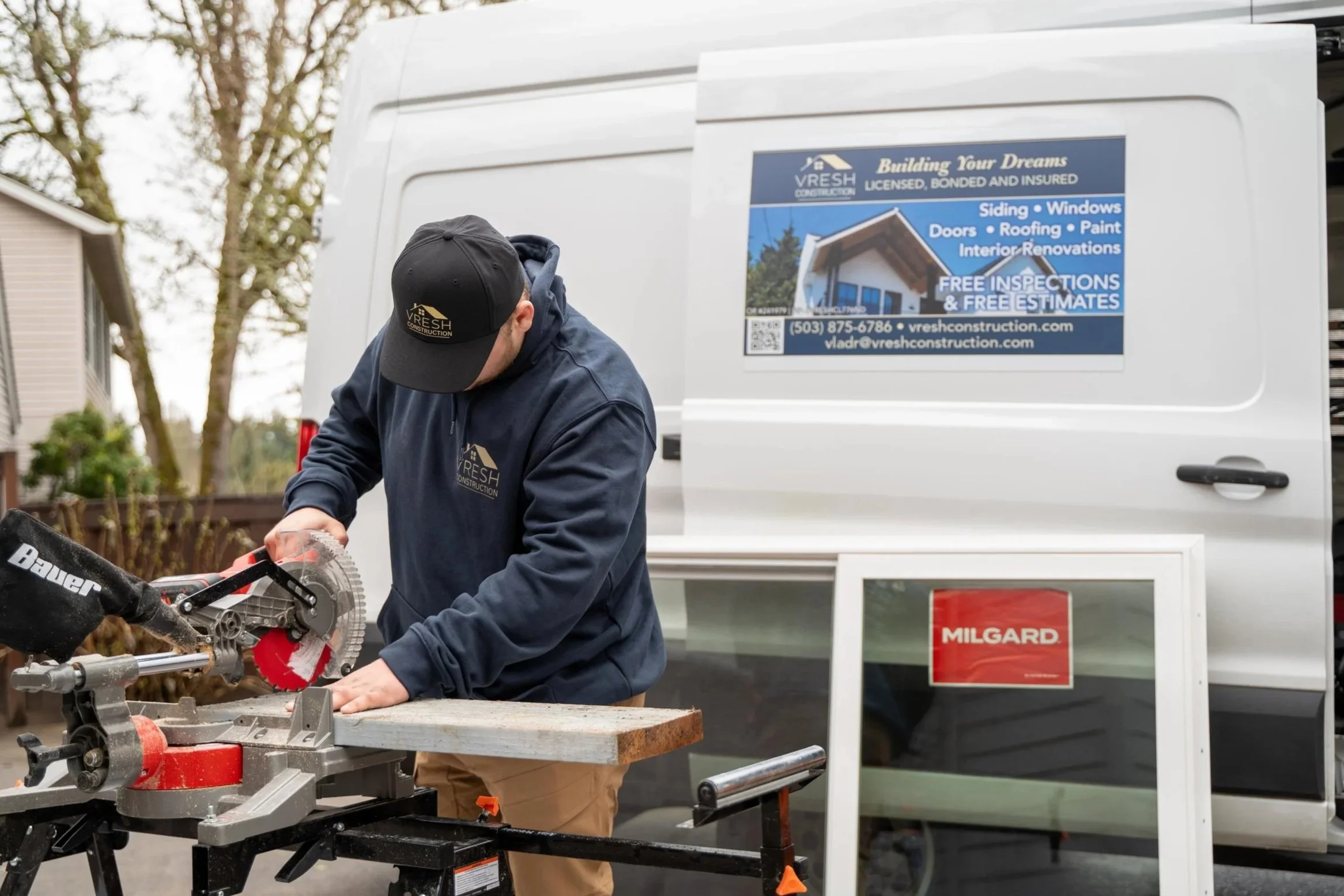
VResh Construction is EPA Lead-Safe Certified. We follow all required protocols on every pre-1978 project — containment to prevent lead dust spread, wet work methods to suppress dust during paint disturbance, HEPA vacuum cleanup, and written compliance documentation provided to the homeowner. This is not an optional procedure or an upsell — it is a federal requirement, and we comply with it fully.
EPA Lead-Safe Certified
Full RRP compliance — not just awareness
Written Documentation Provided
Compliance paperwork for every pre-1978 project
Licensed & Insured
OR #241979 | WA #VRESHCL776ND
HEPA Vacuum Cleanup
Required cleanup standard — not a broom and dustpan
Pre-1978 Home Experience
Hundreds of Portland historic homes completed
(503) 272-6436 — Call or Text, Available 24/7
We answer calls and texts at any hour. For storm damage, active leaks, or structural emergencies, calling directly is the fastest path to a response.
What the EPA RRP Rule Requires — And What Happens If It Is Not Followed
Who the Law Applies To
The EPA Lead Renovation, Repair, and Painting Rule applies to any contractor performing renovation, repair, or painting work that disturbs more than 6 sq ft of painted surface inside a pre-1978 home, or more than 20 sq ft on the exterior.
This includes: siding replacement, window replacement, door replacement, trim work, drywall repair, roofing, and any other work that cuts, scrapes, sands, or demolishes painted surfaces in a pre-1978 home.
The law applies in all Oregon and Washington jurisdictions VResh serves.
What Certified Contractors Must Do
Pre-renovation disclosure: Provide the homeowner with the EPA "Renovate Right" pamphlet and obtain a signed receipt before work begins.
Containment: Set up plastic sheeting to contain work areas and prevent lead dust from spreading to other parts of the home.
Work practices: Use wet methods when sanding or scraping paint. Avoid dry sweeping or compressed air methods that disperse lead dust.
HEPA vacuum cleanup: Use HEPA vacuum equipment to clean all surfaces after work. Standard vacuums spread lead dust rather than capturing it.
Written documentation: Complete and retain records of the work practices used. Provide the homeowner with documentation that lead-safe protocols were followed.
How to Verify a Contractor's EPA Lead-Safe Certification
Before hiring any contractor for work on a pre-1978 Portland home, ask them to provide their EPA RRP certification number and firm certification. The EPA maintains a public database of certified firms at epa.gov/lead — you can search by company name to verify certification status.
A contractor who tells you lead-safe protocols are not required for your project scope is either misinformed about federal law or attempting to avoid compliance costs. The thresholds are low (6 sq ft interior, 20 sq ft exterior) and cover virtually every siding, window, and door replacement project on an older home.
What EPA RRP Compliance Actually Requires on a Job Site
The EPA Lead Renovation, Repair, and Painting Rule (RRP) is a federal law that applies to all contractors disturbing painted surfaces in pre-1978 homes. Here is what certified contractors are required to do — and what uncertified contractors are illegally skipping.
Why Lead Safety Matters — The Health Case
Lead Exposure — Who Is Most at Risk
Children under 6 are most vulnerable to lead exposure — their developing nervous systems are far more sensitive to lead than adults. Lead exposure in young children is linked to reduced IQ, learning disabilities, behavioral problems, and hearing issues. There is no safe level of lead exposure for children.
Adults are also at risk from significant lead exposure — lead affects the cardiovascular system, kidneys, and reproductive health. Pregnant women face an elevated risk due to the potential for fetal exposure.
What VResh Does to Protect Your Family
We test before disturbing any surface in pre-1978 homes. We set up proper containment before any disturbing work begins — not after. We use HEPA vacuums throughout the project. We verify the cleanup before removing containment. We provide written documentation of all protocols followed.
We do this because it is the right thing to do and because federal law requires it. We recommend that homeowners with young children or pregnant household members arrange to be out of the home during high-disturbance phases of RRP work.
How Lead Exposure Occurs During Renovation
Lead paint in intact, undisturbed condition presents minimal risk. The risk occurs during disturbances—scraping, sanding, cutting, and demolition — that create lead-containing dust. This dust settles on floors, surfaces, and objects throughout the home and is ingested or inhaled.
Children are exposed through hand-to-mouth contact with surfaces contaminated with lead dust. A single renovation event without proper containment can elevate blood lead levels in children in the home.


Client's Talk
We have a wealth of experience working as main building contractors on all kinds of projects, big and small, from home maintenance and improvements to extensions, refurbishments and new builds.

Serving Portland Metro Area
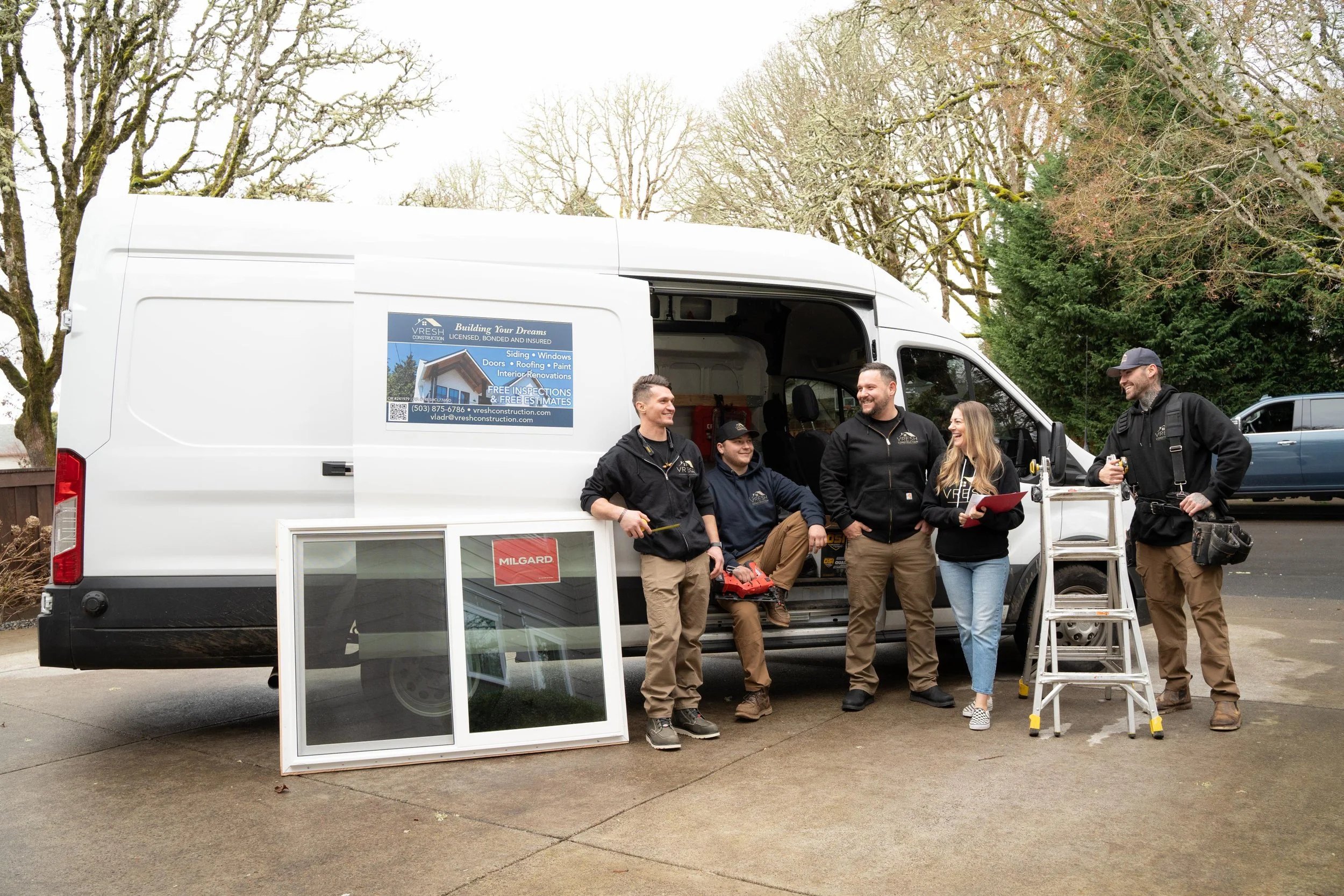
VResh Construction provides window replacement, siding installation, roofing, dry rot repair and full exterior renovation services throughout the Portland metro area and Southwest Washington.