
Kitchen Remodel ROI: What Portland Homeowners Actually Recoup
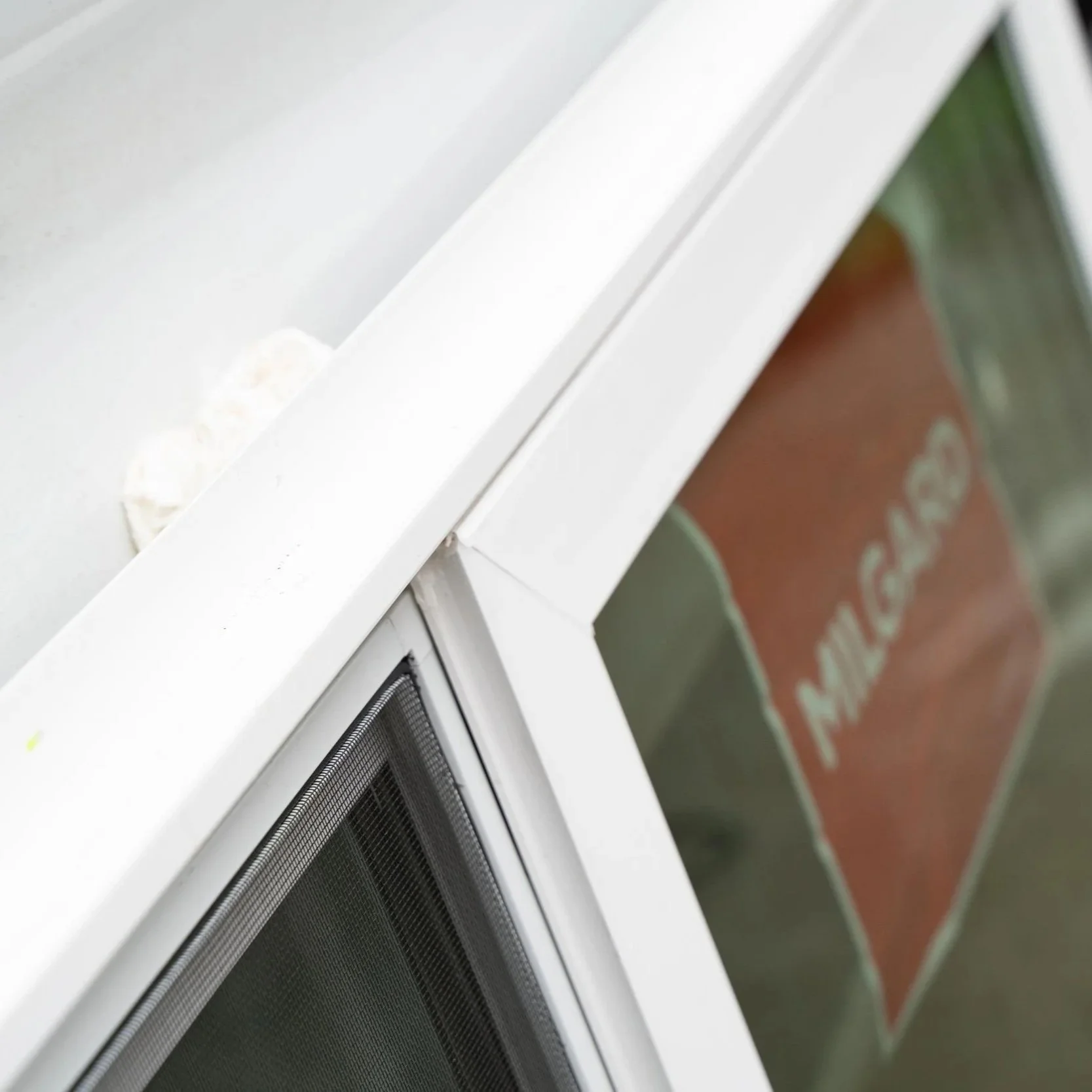
Window upgrades are one of the most overlooked line items in a Portland kitchen remodel — but quality installations like Milgard can quietly add to the ROI homeowners actually recoup at resale.
The kitchen renovation is planned, and the budget is set. But before the first cabinet comes off the wall, the question worth answering: Does this money come back at resale? The answer is "some of it" — and how much depends on what gets done, how much gets spent, and what the neighbors' homes look like.
Kitchen remodels don't pay for themselves. That's the hard truth. No renovation returns 100% of its cost in Portland's market. But some kitchen investments return 70-80 cents on the dollar while others return 40 cents. Knowing which is which before spending the money changes the decisions.
The ROI by Project Tier
Minor kitchen remodel ($15,000-$25,000): Cabinet refacing, new countertops, new sink and faucet, updated appliances, fresh paint, new flooring. Typical Portland ROI: 70-80%.
On a $20,000 minor remodel, expect to recover $14,000-$16,000 in added home value at sale. The cost is moderate, the visual transformation is significant, and the improvements bring the kitchen in line with buyer expectations without over-investing.
Mid-range kitchen remodel ($25,000-$50,000): New cabinets (stock or semi-custom), stone countertops, new appliances, tile backsplash, updated lighting, new flooring. Typical Portland ROI: 55-70%.
On a $40,000 mid-range remodel, expect to recover $22,000-$28,000. The return is lower because the project costs more, but doesn't proportionally increase home value. Buyers expect a nice kitchen- they don't pay a dollar-for-dollar premium for one.
Major kitchen remodel ($50,000-$120,000+): Custom cabinetry, premium stone, professional-grade appliances, layout changes, structural modifications. Typical Portland ROI: 40-55%.
On a $75,000 major remodel, expect to recover $30,000-$41,000. The gap widens because high-end finishes are personal taste — the next buyer might prefer different countertops or a different layout. And there's a ceiling: the neighborhood determines maximum home value regardless of kitchen quality.
What Adds the Most Value
Countertops. Quartz or granite countertops are the single highest-ROI kitchen improvement. Buyers notice them immediately. Replacing laminate with quartz in a standard kitchen costs $2,500-$5,000 and adds an outsized perception of quality. ROI: 80-100% in most Portland neighborhoods.
Appliances. Stainless steel, mid-range appliances (not professional grade) hit the sweet spot. A matching stainless refrigerator, range, and dishwasher costs $3,000-$6,000 total and modernizes the kitchen instantly. Buyers expect stainless — its absence stands out negatively. ROI: 60-80%.
Cabinet refacing. New doors and drawer fronts on existing cabinet boxes cost $4,000-$10,000 — roughly 40-60% less than full cabinet replacement. The visual result is nearly identical. ROI: 70-85%, given the low cost and high impact.
Paint and lighting. The cheapest improvements with the biggest perceived impact. Fresh paint ($500-$1,500), new pendant lighting ($200-$800), and under-cabinet lighting ($300-$800) transform the feel of the kitchen for minimal cost. ROI: 85-100%.
What Doesn't Pay Back Well
Professional-grade appliances. A $12,000 Viking range recovers maybe $3,000-$5,000 at resale. Most buyers don't cook enough to value professional equipment — and some are intimidated by it. A $2,000 mid-range range performs 90% as well in a resale kitchen.
Custom cabinetry beyond the neighborhood standard. If the neighbors have stock cabinets, $25,000 in semi-custom cabinetry won't command a proportional premium. Custom cabinetry ROI drops sharply when it exceeds what buyers in the area expect.
Layout changes that require structural work. Moving walls, relocating plumbing, and rerouting electrical adds $10,000-$30,000 to the project. The improved layout is nice, but buyers don't see the structural beam or the relocated drain line. They see an open floor plan and assume the house was always that way. ROI: 30-50% on the structural portion.
Exotic materials. Marble countertops, hand-painted tile, reclaimed wood shelving — beautiful, personal, and hard to value at resale. The next buyer may love it or may see it as something to replace. The more custom the material, the narrower the audience that values it.
Portland-Specific Market Factors
Portland's housing market has characteristics that affect kitchen ROI differently than national averages.
Older housing stock. Many Portland homes still have original 1950s-1970s kitchens. In these homes, even a modest update creates a dramatic contrast that buyers respond to. A $15,000 update in a home with an original kitchen can add $12,000-$15,000 in perceived value because the baseline is so low.
Neighborhood variation. Inner Portland neighborhoods (SE, NE, Pearl, Nob Hill) command higher per-square-foot prices, and buyers there expect updated kitchens. A renovation in these areas recovers more of its cost because the ceiling is higher. Outer suburbs have lower ceilings — the same renovation returns less.
Energy efficiency sells. Portland buyers pay attention to energy features. Induction cooktops, Energy Star appliances, and LED lighting resonate with the market. These items add modest cost and genuine buyer appeal.
Frequently Asked Questions
The Honest Math
A kitchen remodel pays back most — but not all — of its cost. The best return comes from moderate investments that bring the kitchen to the neighborhood standard without exceeding it. The worst return comes from premium investments in neighborhoods that don't support the price increase. Renovation for daily living quality is a valid reason to spend more than the ROI justifies. But if resale return is the primary motivation, the mid-range update wins every time.