Cracks Along The Edges: Did My Fiber Cement Siding Fail in Portland, OR?
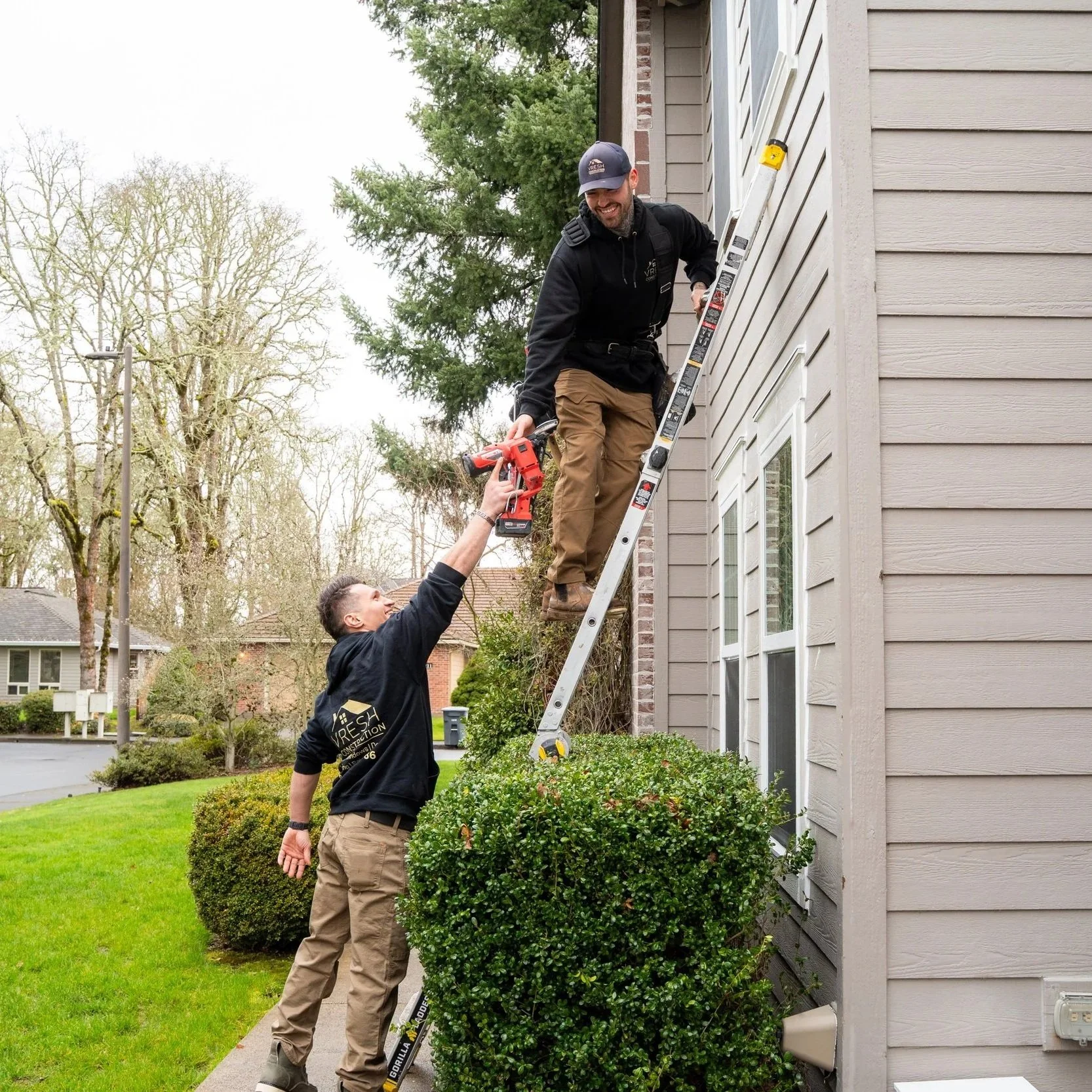
What looks like a minor cosmetic crack can quickly become a gateway for moisture, mold, and structural damage.
Ugh, every time I walk past the side of my house, those tiny cracks along the corners just stare back at me. I thought fiber cement siding was supposed to last decades without flaking or splitting, but here I am, watching water stains creep under the edges and worrying about rot. It’s maddening, especially when the rain hits Portland, OR, like it does every winter, and you start wondering if what you thought was a solid investment is actually a ticking time bomb.
Most homeowners don’t realize that fiber cement siding isn’t “set it and forget it.” What looks like a minor cosmetic crack can quickly become a gateway for moisture, mold, and structural damage. The thing is, these issues rarely appear overnight; they’re usually the result of installation shortcuts, old habits from builders who treated it like vinyl, or just ignoring the slow creep of Portland’s damp climate over time.
The Misunderstood Nature of Fiber Cement Siding
Fiber cement siding is tough stuff when installed properly, but it’s not indestructible. Homeowners often assume it’s completely maintenance-free because the manufacturer boasts decades-long lifespans. The truth is, fiber cement performs best when every board is cut, sealed, and fastened with attention to expansion gaps and moisture barriers. In Portland, OR, where rain is almost a permanent fixture, skipping these steps or using improper caulking can quickly lead to those fine cracks that grow over months.
People also assume that if the siding was installed last year or five years ago, cracks are abnormal. Yet, fiber cement boards are rigid and can shift slightly as they absorb moisture and react to seasonal temperature swings. Even the slightest misalignment during installation can create stress points along edges or around windows and corners. Ignoring these early warning signs often leads to visible gaps and, over time, soft rot behind the boards that isn’t visible until it’s a major repair job.
Why Installation Shortcuts Are the Silent Culprit
A lot of homeowners I talk to in Portland, OR, are shocked when I point out that the problem isn’t the siding itself—it’s how it was installed. Contractors who don’t account for proper flashing, caulking, or expansion joints leave the siding vulnerable. The cracks along edges you’re noticing are often where the boards were nailed too tightly or where the sealant wasn’t applied consistently. Over time, moisture seeps in, and the siding stops doing its job as a weatherproof barrier.
Another common shortcut I see is improper back-priming. Fiber cement boards absorb water if the edges aren’t properly sealed before installation. Builders sometimes think exterior paint alone will protect the raw fiber cement, but in Portland’s wet climate, paint can’t stop water from creeping under corners. Once water gets under the boards, you’ll see swelling, warping, and edge cracking that makes homeowners wonder if they just wasted thousands on siding that’s failing prematurely.
The False Security of DIY Repairs
I get it—fixing those cracks yourself seems cheaper than calling in a pro. Portland, OR homeowners often reach for exterior caulk or even just a touch-up paint and hope the problem disappears. But the real danger here is creating a false sense of security. A superficial patch can hide the issue temporarily while water continues to work its way behind the siding. The next winter, after a week of rain, the crack reappears worse than before.
Fiber cement siding isn’t like wood or vinyl, where minor cosmetic fixes hold up well. When DIY patches fail, the hidden moisture compromises the sheathing and studs underneath. At that point, you’re no longer just dealing with cracked edges—you’re staring down the possibility of mold, soft rot, and major structural repairs. Sometimes homeowners come to me thinking the siding is defective, when in reality, the original installation and early patch attempts sealed the siding’s fate for a slow failure.
How Weather Accelerates Edge Cracks
Portland, OR, homeowners are painfully familiar with the long, wet winters. Fiber cement siding handles moisture differently than other materials, but prolonged exposure to rain, freeze-thaw cycles, and occasional heat spikes can stress the boards. Every time the siding absorbs water and then dries, it expands and contracts slightly. Over time, repeated cycles magnify any existing stress points—nail holes, corners, and joints—resulting in those tiny cracks along edges you’re noticing now.
Some people don’t realize that summer heat plays a role, too. Fiber cement is dense, and when the sun warms it unevenly, internal stresses can pull apart improperly installed joints. Combined with Portland’s damp winters, this creates a perfect storm for cracking along the edges of boards, around windows, and at corners. Ignoring these early signs isn’t just a cosmetic issue—it’s a structural one that can silently undermine the siding’s lifespan.
The Hidden Cost of Ignoring Cracks
Walking past a cracked edge might seem harmless, but the consequences of neglect can be surprisingly steep. Water intrusion leads to more than just cosmetic problems. Once moisture gets behind siding, it can saturate insulation, compromise sheathing, and create ideal conditions for mold growth. Homeowners often notice higher heating bills, damp smells, and peeling interior paint long before they connect it to the siding outside.
Repairing small cracks early is significantly cheaper than waiting until the boards have to be replaced or the underlying structure is damaged. I’ve seen Portland, OR, homeowners who delayed action for a few years end up spending tens of thousands more because they ignored what seemed like minor cosmetic flaws. Addressing edge cracks promptly preserves the integrity of your siding, protects your home’s energy efficiency, and keeps your walls from turning into a breeding ground for rot.
Common Misconceptions About Fiber Cement Longevity
A lot of homeowners assume fiber cement siding is immune to environmental stressors once installed. Many think that if it’s “fiber cement,” it doesn’t crack or need maintenance. Unfortunately, that’s a misconception that leads to frustration and costly surprises. Boards can and do crack if they aren’t installed to account for Portland, OR’s wet winters and shifting temperatures.
Another false belief is that once paint cracks, the siding itself is failing. In reality, paint is just the outer layer of protection. Boards that were installed with tight nails or insufficient flashing are already vulnerable beneath the surface, and paint alone cannot stop water intrusion. When homeowners discover cracks and peeling, they often blame the product, not the installation. Understanding the difference can save money, time, and the headache of repeated repairs.
Practical Steps to Preserve Your Siding
Preventing crack propagation requires a combination of careful observation and proactive maintenance. Homeowners in Portland, OR, should inspect siding annually, paying close attention to edges, corners, and areas around windows or doors. Look for small fissures, swelling, or peeling paint—these are early warning signs that shouldn’t be ignored.
Correct repairs involve more than slapping on caulk. Professionals like VResh Construction LLC recommend carefully removing damaged caulk, checking the integrity of the board and sheathing beneath, sealing edges, and using proper fasteners to accommodate natural expansion. These steps help maintain the siding’s structural performance while keeping water out, preventing minor cracks from turning into major problems. A little attention early can save a lot of stress and expense down the line.
Why Portland, OR, Homeowners See Edge Cracks First
Not every region experience fiber cement failure the same way. Portland, OR’s climate—with frequent rain, long wet seasons, and moderate temperature fluctuations—creates conditions where edge cracking appears faster than in drier areas. Corners and window openings are especially vulnerable because they experience uneven drying and occasional water pooling from roof runoff.
Ignoring local environmental factors is a common mistake. Even a perfectly installed board in a dry city might show no issues for decades, while Portland homeowners face faster wear. Understanding your climate’s impact on materials can shift how you plan inspections, maintenance, and repairs—turning potential frustration into manageable upkeep.
Why Professional Fiber Cement Installation Matters
Cutting corners during installation might save money upfront, but in Portland, OR, it’s a false economy. Professionals understand the critical details that prevent cracks: proper spacing, back-priming edges, correct nail placement, and precise flashing around openings. Homeowners often learn the hard way that even a high-quality board will fail if installed incorrectly.
Choosing a seasoned contractor can feel like an investment, but it’s one that pays for itself in longevity, fewer repairs, and peace of mind. Experienced installers anticipate common trouble spots, work with the natural expansion of fiber cement, and apply techniques to resist Portland’s constant rain. A properly installed siding system not only looks clean but also functions as a long-term barrier against the elements.
Don’t Delay—Repair Fiber Cement Cracks Before Moisture Causes Bigger Damage
How soon should I repair cracks in fiber cement siding in Portland, OR?
Small cracks should be addressed immediately once noticed. Even minor fissures allow moisture to reach the sheathing, potentially leading to mold, rot, and energy inefficiency. Early attention can prevent larger, more expensive repairs.
Can I fix edge cracks myself, or do I need a professional?
DIY patches often provide temporary cosmetic fixes, but they rarely address underlying moisture issues. Hiring a professional ensures proper sealing, flashing, and fastening to stop recurring cracks and prevent damage to the boards or home structure.
What causes fiber cement siding to crack along edges?
Cracks usually result from a combination of poor installation, tight nailing, inadequate sealing, and environmental stress like Portland, OR’s rain and seasonal temperature swings. Boards expand and contract over time, so stress points along edges or around corners are most vulnerable.
Does paint prevent fiber cement siding from cracking?
Paint protects the siding’s surface but cannot prevent cracks caused by structural stress or moisture intrusion. Boards must be installed correctly with proper flashing and caulking to resist the climate. Paint alone is not a long-term solution.
How can I prevent future edge cracks in my siding?
Annual inspections, prompt repair of small cracks, and professional installation practices like proper nailing, back-priming, and flashing can significantly reduce the risk. Observing problem areas near windows, doors, and corners allows homeowners to catch issues before they worsen.
Edge cracking on fiber cement is usually a fastening or clearance problem rather than a product failure: hot-dipped galvanised nails, two inches of clearance at the roof, one inch above flashing. VResh Construction installs to those numbers — James Hardie siding in Portland, siding replacement in Gresham. Free assessment: (503) 272-6436.