What Happens When Eco-Upgrades Don’t Actually Save Money?
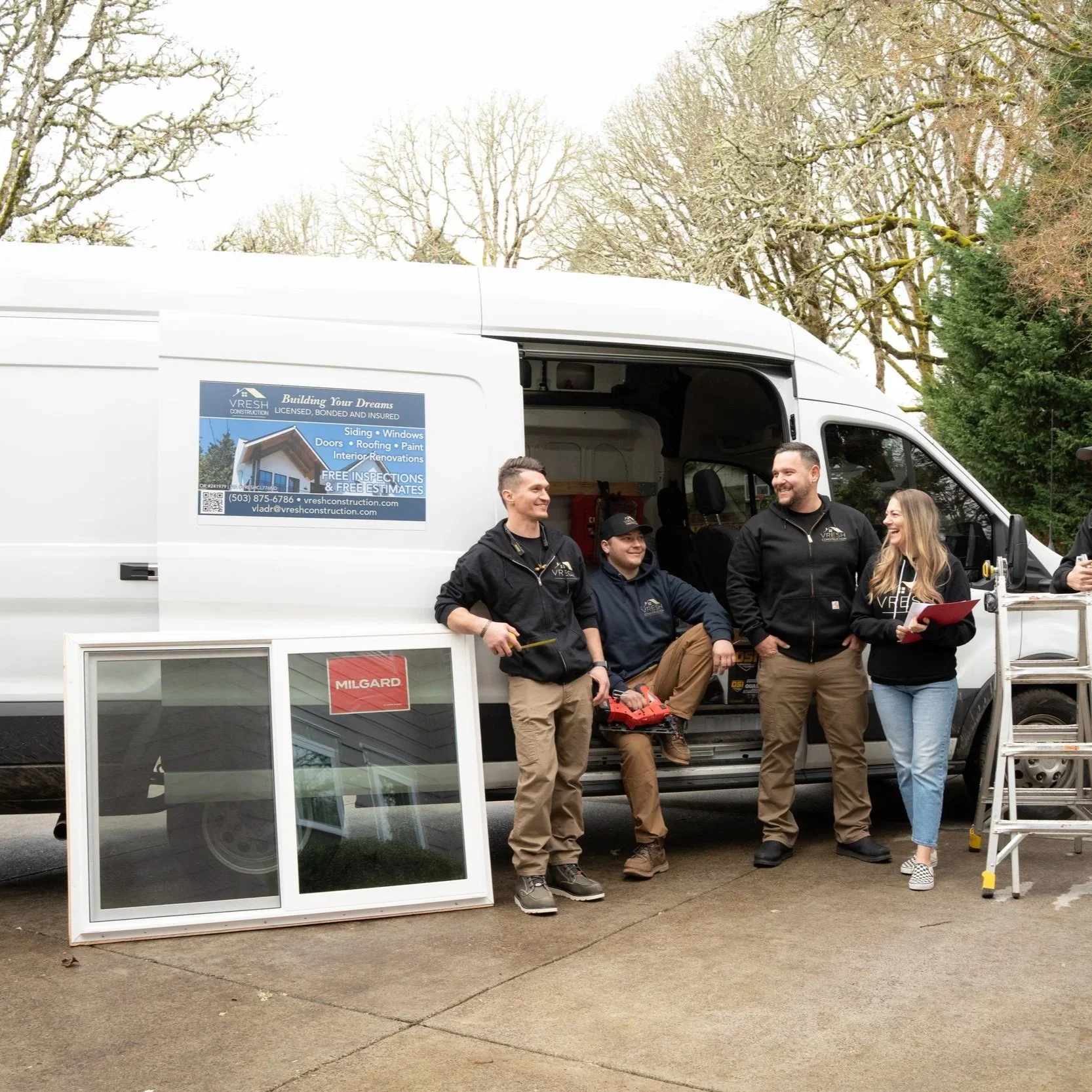
The frustration of watching a “sustainable” investment fail to cut costs is real, and it’s compounded when installers or manufacturers oversell what these upgrades can do.
I spent hundreds of dollars swapping out my old appliances for “energy-efficient” ones, and my electric bill barely budged. The new windows I installed? Drafts still sneak through, and my house still feels like a furnace in summer. When your green upgrades don’t deliver, it isn’t just frustrating—it feels like someone pulled the rug out from under your wallet.
Homeowners often jump on eco-friendly upgrades thinking they’ll slash bills overnight, but the reality can be a bitter surprise. The frustration of watching a “sustainable” investment fail to cut costs is real, and it’s compounded when installers or manufacturers oversell what these upgrades can do. If you’re sweating over rising energy bills despite your green improvements, you’re not imagining it—you might just be seeing the consequences of skipped planning, hidden inefficiencies, or poor installation.
Why “Energy-Efficient” Isn’t Always Efficient
When homeowners hear “energy-efficient,” they picture a lower utility bill and a smaller carbon footprint. The reality is trickier. Appliances and systems come with energy ratings, but these numbers often reflect ideal lab conditions, not the everyday chaos of a lived-in home. A top-rated dishwasher might save you 20% on water in testing, but if your water pressure fluctuates or your cycles run longer than recommended, those savings evaporate.
Older homes, especially, can sabotage even the best-rated equipment. A high-efficiency furnace can’t perform optimally if ducts are leaky or insulation is patchy. Windows designed to trap heat can still let air sneak past faulty frames. Homeowners often underestimate the way their house itself affects energy performance. Without addressing the foundation of inefficiency, new “green” gadgets end up masking problems rather than solving them.
The Cost of Poor Installation Practices
Even the most advanced eco-upgrades fall flat when installation is rushed or corner-cutting happens. Installing a tankless water heater incorrectly, for example, can cause inconsistent hot water delivery, lower efficiency, and even damage your pipes. Homeowners rarely see the connection immediately—they just notice that the “efficient” system isn’t saving anything.
Common shortcuts include skipping proper sealing around windows, underestimating attic insulation needs, or failing to calibrate HVAC systems to the home’s specific layout. Contractors may promise quick results to save time, but these shortcuts often lead to higher bills, repeated service calls, and frustration that could have been avoided. Experienced contractors like VResh Construction LLC often stress that quality installation is as important as the product itself.
The Homeowner Mistake: Focusing Only on Products
Many homeowners make the mistake of believing that buying the latest energy-efficient appliance or smart thermostat is enough. They assume technology alone can override structural problems, but that’s rarely the case. Upgrades can’t compensate for inadequate insulation, drafty windows, or leaky ductwork.
For example, installing an advanced programmable thermostat in a house with air leaks or poorly insulated walls won’t lower your heating bills as much as advertised. The thermostat reacts to temperatures but can’t fix the underlying issues. Real savings come from pairing technology with a thorough home audit and addressing inefficiencies at the source. Skipping this step often turns eco-upgrades into expensive décor.
Seasonal Surprises: Why Timing Matters
Eco-upgrades can behave differently depending on the season, yet homeowners often don’t account for this. Solar panels, for instance, generate maximum output in sunny months but deliver less in winter. Heat pumps may struggle during extended cold snaps. A system that appears cost-saving for six months may actually increase bills when the seasons change.
Many homeowners install systems in the spring or fall, only to face unpleasant surprises in extreme summer or winter months. These seasonal fluctuations highlight a common misconception: that energy-efficient upgrades deliver uniform savings year-round. Understanding seasonal performance helps homeowners set realistic expectations and avoid disappointment.
Hidden Costs That Ruin the Budget
Beyond installation and seasonal performance, hidden costs can make eco-upgrades surprisingly expensive. Some energy-efficient appliances require special maintenance, filters, or additives that add up over time. Certain smart systems charge subscription fees to access full functionality. Even the promise of rebates and tax credits can be misleading if paperwork is mishandled or eligibility requirements are strict.
Homeowners often forget that an appliance’s sticker price is just one part of the financial picture. Lifetime maintenance, additional components, and service calls can quickly erode the expected savings. Planning for these hidden costs is crucial to avoiding the unpleasant feeling of having spent more without seeing any benefit.
When Old Assumptions Make Things Worse
Another pitfall comes from outdated thinking. Some homeowners cling to the idea that bigger is always better or that a flashy new system automatically equals lower bills. Oversized HVAC units, for example, cycle on and off inefficiently, wasting energy and causing uneven temperatures. A too-large water heater uses more energy just to maintain standby temperatures.
These assumptions often stem from old marketing messages or anecdotal advice. The truth is that correctly sized, properly installed systems outperform oversized or trendy alternatives every time. Understanding the difference requires both technical insight and honest assessment of your home’s actual needs.
The Role of Home Layout and Behavior
Even perfectly chosen and installed systems can fail if household habits aren’t aligned with the upgrades. A highly efficient heat pump loses its advantage if doors and windows are left open or if family members run multiple appliances simultaneously on high settings. Similarly, solar panel savings can be undermined by excessive energy use during peak hours.
Behavioral factors are often overlooked, but they matter more than many homeowners realize. Simple adjustments—like setting thermostats responsibly, using timed appliances, and addressing drafts—can multiply the effectiveness of green upgrades. Ignoring daily habits leaves homeowners feeling betrayed by their “eco-friendly” investments.
Smart Planning Prevents Frustration
To actually save money, eco-upgrades need a strategic approach. Begin with a home energy audit to identify leaks, insulation gaps, and system inefficiencies. Evaluate both the existing infrastructure and the lifestyle patterns in your household. By combining thorough planning with professional installation, homeowners often see the meaningful reductions in bills that upgrades promise.
Skipping this step is the single largest mistake that turns energy-efficient upgrades into financial headaches. Experienced construction advisors, like those at VResh Construction LLC, emphasize upfront evaluation because it uncovers hidden problems before they become costly surprises. Good planning often separates a true investment from an expensive experiment.
The Emotional Toll of Failed Upgrades
There’s a hidden emotional cost when eco-upgrades fail. Homeowners feel frustrated walking past a new appliance or system that isn’t delivering. Stress rises as bills climb despite “smart” investments, and trust in contractors or manufacturers erodes. Even a motivated, environmentally conscious family can feel defeated when hard-earned money doesn’t produce results.
Acknowledging this emotional side is important. It explains why frustrated homeowners often return to forums, reviews, and experts seeking answers. Recognizing that their disappointment is valid opens the door to corrective measures, realistic expectations, and smarter decisions going forward.
How to Spot Real Value Before Installing
Before investing, homeowners should ask clear questions: Has this system been tested in homes like mine? Does the installation process include addressing existing structural issues? What ongoing costs are involved? What seasonal variations can I expect? Answers help differentiate genuine savings from marketing hype.
Homeowners should also look for contractors who offer thorough evaluation and follow-up support. Experienced advisors who blend installation skills with long-term planning can prevent common mistakes, reduce hidden costs, and make sure eco-upgrades deliver tangible benefits. Awareness and preparation are key to avoiding the frustration of empty promises.
Common Misconceptions About Green Investments
One misconception is that all energy-efficient upgrades automatically increase home value. While some may appeal to buyers, poor performance or costly maintenance can deter potential buyers. Another false assumption is that every eco-friendly gadget guarantees measurable savings—without proper installation, calibration, and lifestyle alignment, even top-rated appliances fail.
Homeowners also underestimate the lifespan and performance degradation of green products. Solar panels, heat pumps, and high-efficiency HVAC units all experience efficiency loss over time. Recognizing these realities before committing prevents unpleasant surprises and encourages smart investment choices that match your home’s actual performance needs.
Bottom Line: Money-Saving Requires Holistic Thinking
Eco-upgrades aren’t magic. They require careful selection, precise installation, and mindful use to produce meaningful savings. Ignoring hidden costs, structural inefficiencies, and daily habits can turn even the most promising upgrades into money pits. By combining technical understanding with realistic planning, homeowners can see genuine benefits instead of frustration.
VResh Construction LLC often reminds clients that the path to savings isn’t just buying new equipment—it’s understanding your home’s full picture, addressing inefficiencies, and investing intelligently. The combination of knowledge, preparation, and skilled installation is what separates upgrades that actually save money from those that drain the wallet.
Don’t Let Eco-Upgrades Waste Your Money—Know What Actually Saves
What are the most common reasons eco-upgrades don’t save money?
Poor installation, structural inefficiencies like drafts or poor insulation, hidden maintenance costs, oversized or misaligned systems, and household habits all contribute to eco-upgrades underperforming. Each factor can erode potential savings significantly.
How can homeowners check if an upgrade will really save energy?
Start with a professional energy audit to assess leaks, insulation, and system performance. Compare projected savings with household usage patterns, and consult experienced contractors who can evaluate the home as a whole.
Do energy-efficient appliances always reduce utility bills?
Not always. Appliances rated as energy-efficient may perform below expectations if installation is flawed, household habits are inconsistent, or the home’s infrastructure undermines efficiency.
Can poor installation negate the benefits of green upgrades?
Yes. Even high-quality systems can fail to deliver savings if installed incorrectly. Leaky ducts, improper calibration, or skipped insulation steps often reduce efficiency and increase long-term costs.
Are there hidden costs homeowners should watch for?
Yes. Maintenance, specialized filters, software subscriptions, and seasonal performance variations can all add expenses that offset savings. Planning for these costs is essential to achieving real value.
An upgrade that does not pay back usually was not the constraint. Air sealing around an opening moves more than a spec sheet does, and a window fitted without one performs below its own rating. VResh Construction seals before the casing goes on — energy efficiency upgrades, window replacement across Portland. Free estimate: (503) 272-6436.