Why Is My Living Room Window So Drafty Every Winter Night?
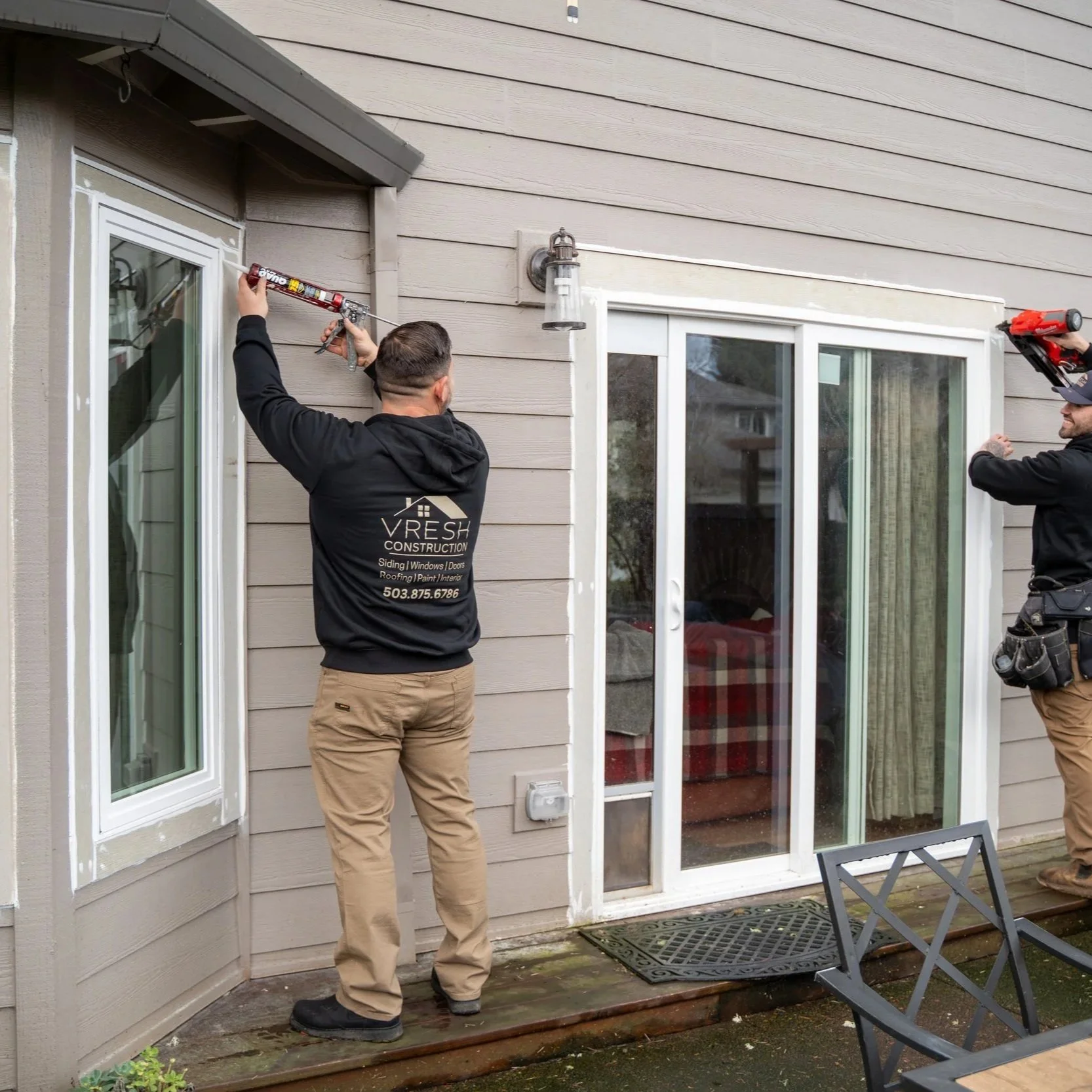
Vresh Construction's technicians have sealed enough drafty living room windows across Portland to know the culprit is almost always the seal, the frame fit, or the flashing — never just 'winter weather.'
Ugh, I swear every winter my living room feels like it’s hosting an Arctic blast. I close the blinds, crank up the heat, and still feel icy gusts sneaking through the corners of my windows. The floor near the window gets cold, the furniture feels chilly, and the heating bills keep climbing. If you’re nodding along, you’re not alone—drafty windows are one of the most common frustrations homeowners face when winter hits, and the problem often goes far beyond just discomfort.
A drafty window isn’t just a nuisance; it’s a silent energy thief. Over time, the constant cold seep makes your HVAC system work overtime, raising bills and wearing down equipment faster. Many homeowners think a draft is normal for older windows or assume that cheap weatherstripping fixes everything. In reality, repeated shivers and high heating costs are signals that your windows might be underperforming and could need serious attention, like professional window replacement.
Common Causes of Drafty Living Room Windows
Most homeowners immediately blame cracks in the glass, but drafts often have less obvious roots. One major culprit is the window frame itself. Wood frames can warp, vinyl can shrink, and metal frames can pull away from the wall, creating tiny gaps you barely notice. Even if the glass looks solid, these small openings allow cold air to sneak in relentlessly. Ignoring them might seem harmless, but over months of winter, the constant airflow can drastically reduce indoor comfort.
Another frequent cause is old or failing seals. Double-pane and triple-pane windows rely on airtight seals between layers to trap insulating gas. When these seals fail, the window loses its thermal barrier, and even perfectly intact glass won’t stop the cold. Homeowners often misinterpret this as a draft coming through the edges rather than the pane itself. Without replacement, the insulation problem worsens, condensation can appear between panes, and the window’s efficiency drops dramatically.
Why Quick Fixes Often Fail
Many homeowners try temporary solutions first—caulk, weatherstripping, or window film. These fixes seem to work for a while, but they rarely last. Caulk can crack in a few months, and tape or plastic films shrink or peel. Temporary fixes might give the illusion of warmth, but they won’t stop energy loss, especially during harsh winter nights. The repeated back-and-forth of applying patches becomes a cycle of frustration with no real long-term solution.
A more serious misstep is assuming that all window replacement options are the same. Cheap vinyl replacements or improperly measured windows can create new drafts rather than solving them. Experienced homeowners know that windows must fit precisely and match the home’s insulation needs. Skipping professional guidance or going for a “budget-only” option almost always leads to wasted money and ongoing discomfort.
How Window Replacement Solves Draft Problems
Professional window replacement addresses every weak point a draft can exploit. Modern replacement windows use advanced materials, reinforced frames, and high-performance insulation to block airflow. Energy-efficient glass options, like low-emissivity coatings and argon gas fills, drastically improve indoor warmth. For homeowners who’ve spent years chasing drafts with tape and caulk, a properly installed window feels like a permanent relief. Not only does it stop the chilly air, but it also reduces energy bills and makes the living room genuinely comfortable again.
The process isn’t just about swapping panes. Proper installation is key: installers must seal the frame, align the sashes, and check for any structural gaps around the opening. Even the smallest misalignment can compromise performance. A quality window replacement considers your home’s specific layout, insulation, and winter climate patterns. Homeowners who skip professional installation often find themselves back at square one, still dealing with cold corners and rising bills despite the “new” windows.
The Hidden Costs of Ignoring Drafty Windows
It might seem harmless to live with a drafty window for a season or two, but it can cost more than you think. Beyond comfort, drafts can strain your HVAC system, increase energy bills, and even accelerate wear on flooring and furniture near cold zones. Moisture can condense on poorly insulated windows, creating rot or mold that spreads into walls. Over time, this becomes a bigger headache than a simple window replacement ever would have been.
Homeowners often think, “It’s just a little cold, I can tough it out.” But persistent drafts compound over the years. Energy bills creep higher, the house never feels cozy, and what could have been a simple replacement becomes a much larger home repair project. Windows are one of those systems that silently impact your entire home’s efficiency and health—neglect them, and the consequences quietly stack up.
Common Homeowner Misconceptions About Drafts
One frequent misconception is that thicker curtains or extra blankets will solve the problem. They might block some cold air, but they don’t stop airflow through frames or broken seals. Another false assumption is that single-pane windows can’t be improved. While older windows aren’t as efficient as modern designs, professional replacement can transform an outdated single-pane setup into an energy-efficient, draft-proof system. Temporary fixes are tempting, but they mask the real problem and only delay the inevitable need for a proper solution.
Another myth is that drafty windows only matter in very cold climates. Even in moderate regions, inconsistent indoor temperatures, condensation, and slow heat loss can damage interiors and increase utility costs. Understanding the difference between a temporary annoyance and a systemic energy inefficiency is crucial. Homeowners who dismiss drafts as “just part of winter” often find themselves paying for years of wasted energy without ever fixing the root cause.
Signs Your Living Room Window Needs Replacement
Beyond feeling a draft, homeowners should look for visible signs of aging. Warped or rotting frames, peeling paint, condensation between panes, or difficulty opening and closing sashes are red flags. Even slight rattling in the wind signals that the window isn’t properly sealed. Experienced homeowners know that early intervention prevents bigger headaches—leaving a window untreated often leads to water damage, increased drafts, and higher replacement costs in the long run.
Another subtle indicator is uneven indoor temperature. If the area near your living room window always feels colder than the rest of the house, the window is probably failing its insulation role. Modern windows are designed to maintain consistent indoor climates, so a temperature discrepancy is more than just an annoyance—it’s a clear sign the window isn’t doing its job. Addressing it proactively saves money, prevents damage, and restores comfort.
What to Anticipate During a Professional Window Replacement
Professional window replacement isn’t just about taking out old glass and sliding in new panes. The installer begins by assessing the existing frame, inspecting for hidden damage, and measuring precisely. Old caulk and trim are removed, and the new window is fitted carefully to prevent future gaps. Every seam is sealed, and the frame is checked for level and plumb. The goal is zero airflow where there shouldn’t be any, and maximum energy efficiency.
After installation, homeowners notice immediate changes: warmer floors, consistent indoor temperature, and a living room free from drafts. The heating system doesn’t have to work overtime, reducing monthly bills. Over time, the investment in a high-quality replacement window pays for itself by cutting energy costs, preventing damage, and eliminating frustration. It’s a tangible upgrade that improves comfort every day of winter.
Why Professional Guidance Matters
Trying to pick replacement windows without guidance can lead to regret. Homeowners often misjudge energy ratings, frame materials, or glass types. A professional like VResh Construction LLC can recommend the right product for your specific living room setup, winter climate, and budget. Their expertise ensures the replacement solves your draft problem, fits seamlessly with your home’s aesthetic, and lasts for decades without recurring issues.
Professional insight also helps homeowners avoid common pitfalls. For example, cheaper windows or DIY installations may seem cost-effective upfront, but they often fail quickly, causing frustration and additional expenses. Investing in expertise from a reputable construction company eliminates guesswork, ensures proper installation, and gives peace of mind that your living room will stay warm, quiet, and comfortable for years to come.
Living Comfort Isn’t Optional
Drafty windows affect more than just warmth; they impact daily life. Chilly floors, cold spots on furniture, and rising bills chip away at comfort, making you dread winter nights. Professional window replacement transforms the living room into a space you actually enjoy, where blankets are optional, not mandatory, and your HVAC system can finally relax. Homeowners who treat drafty windows as a real issue see immediate improvements in comfort, energy costs, and overall home satisfaction.
Remember, living room drafts aren’t a minor inconvenience—they’re a signal that the home’s envelope is compromised. Addressing them proactively through proper replacement protects your comfort, budget, and property. Ignoring the problem may feel easier in the short term, but it comes with long-term consequences that affect your quality of life. Investing in professional window replacement gives homeowners control over their environment and ends the frustration that comes every winter night.
Don’t Let Drafty Windows Drain Your Comfort—Upgrade Before Energy Costs Rise
What is the best type of window replacement for drafty living rooms?
Double-pane or triple-pane windows with low-emissivity (low-E) coatings and gas fills like argon are ideal. They provide better insulation than single-pane or older double-pane units and significantly reduce drafts while maintaining energy efficiency.
Can I fix a drafty window without replacing it?
Temporary fixes like weatherstripping, caulking, or window film may reduce drafts, but they rarely solve the problem long-term. Persistent airflow usually indicates failing seals, warped frames, or insulation loss, which require professional replacement.
How long does a window replacement last?
With proper installation and quality materials, modern replacement windows typically last 15–30 years. The longevity depends on frame material, climate exposure, and regular maintenance, but professionally installed windows offer long-term reliability.
Why do my new windows still feel cold sometimes?
Even new windows may feel cool if they aren’t installed properly, the frame is misaligned, or the insulation in surrounding walls is inadequate. A professional installer can assess and correct these issues to maintain consistent warmth.
Will window replacement lower my heating bills immediately?
Yes. Replacing drafty windows with energy-efficient models reduces heat loss, easing the workload on your HVAC system. Most homeowners notice lower heating costs in the first winter following replacement, along with improved indoor comfort.
A draft at the glass and a draft at the frame are different problems with different bills. The first is the unit; the second is how it was put in. VResh Construction establishes which before recommending either — window replacement in Milwaukie, window repair in Portland. Free estimate: (503) 272-6436.