Patio Cover Boards Sagging And Pulling Off The Frame Fast—Here’s What To Do
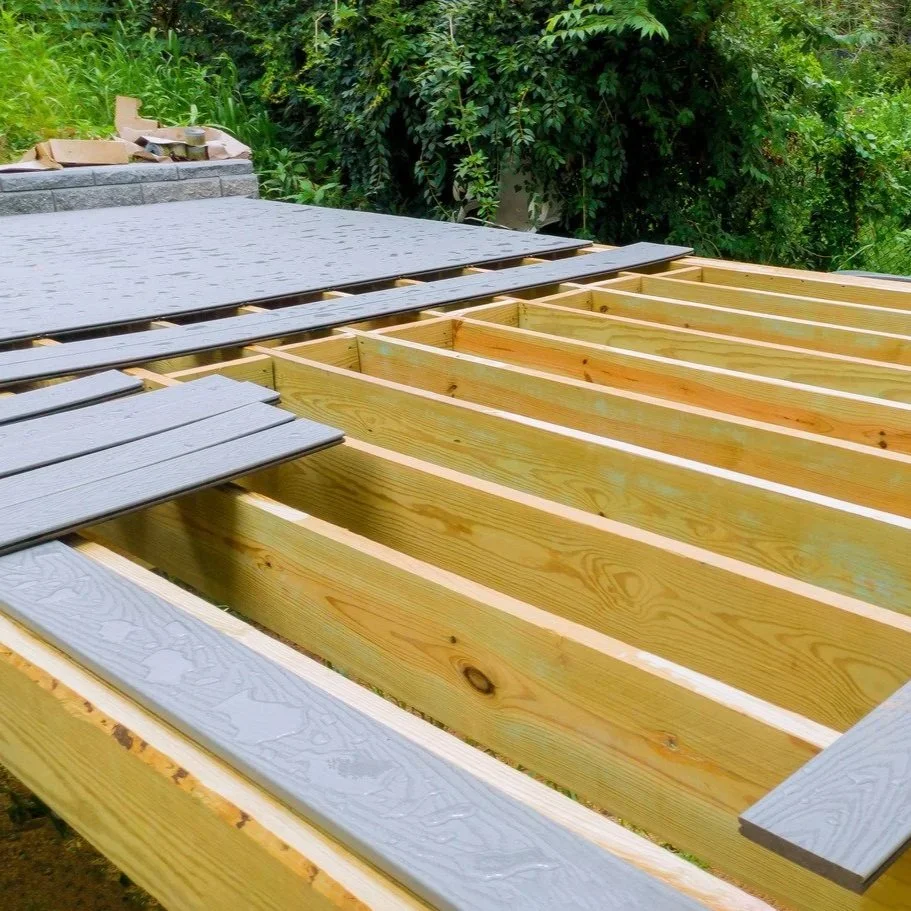
Sagging patio cover boards pulling away from the frame due to structural stress, loose fasteners, moisture damage, and long-term weather exposure.
Boards on the patio cover suddenly look wavy, sagging, or halfway ripped out of the frame. Many homeowners notice it while sitting outside one evening and think, “Why does the whole thing suddenly look like it’s peeling apart?”
Patio covers rarely fail overnight. Sagging boards, loose fasteners, and pulling seams usually build up slowly until the structure reaches a tipping point, leaving homeowners dealing with an outdoor space that looks unstable, feels unsafe, and becomes frustrating to use.
Why Patio Cover Boards Start Sagging In The First Place
Sagging patio cover boards almost always start with structural stress that homeowners cannot see from below. Weight, moisture, and heat expansion place constant pressure on the boards and the framing that holds them in place. Over time, fasteners loosen, wood fibers soften, and small gaps form between the boards and the frame. Once that connection weakens, gravity starts doing the rest of the work.
Most patio covers sit in full exposure to sun, rain, and seasonal temperature swings. Wood expands when it absorbs moisture and contracts when it dries. Fasteners slowly loosen during that cycle. A board that looks straight one season can begin to bow slightly the next year. That bowing increases the load on nearby boards, and eventually, sections start sagging or pulling away from the frame entirely.
Another factor often hiding in plain sight involves the spacing and thickness of the boards themselves. Some patio covers were built years ago using thinner materials or wider spacing between supports. Homeowners rarely notice a problem until years later, when boards begin flexing between beams. Once sagging begins, fasteners start tearing through the wood, and the board gradually separates from the frame.
Homeowners often search phrases like “why is my patio cover sagging” or “why are boards pulling out of my patio roof.” Those questions usually lead back to the same cause: gradual structural fatigue combined with weather exposure.
The Moment Homeowners Usually Notice Something Is Wrong
Patio cover problems often become obvious during normal everyday use of the outdoor space. A homeowner walks outside, looks up, and notices that the boards no longer look straight. Edges begin curling downward. Gaps appear where boards used to sit tightly together.
Another common moment happens after a heavy rainstorm. Water collects on sagging sections instead of draining off the roof. Standing water adds more weight, which increases the sagging even further. Boards that once handled normal loads suddenly carry far more pressure than they were designed for.
Small noises can also signal early trouble. Creaking, subtle popping sounds, or the feeling that the structure shifts slightly in the wind can make homeowners uneasy about sitting beneath the cover. Outdoor spaces that once felt relaxing start feeling unstable.
Homeowners often delay addressing the issue because the damage seems cosmetic at first glance. Sagging boards might look like a minor visual issue rather than a structural one. Over time, though, the sagging spreads. A few loose boards eventually turn into large sections separating from the frame.
Outdoor living areas lose their appeal when patio covers begin to look worn or unsafe. Shade becomes unreliable, rain protection weakens, and the entire structure starts aging faster than expected.
Common Homeowner Mistake: Refastening Sagging Boards Without Fixing The Frame
One of the most common reactions involves grabbing a ladder and driving new screws into the sagging boards. At first glance, tightening things back into place seems like a quick fix. Many homeowners assume the boards simply came loose and need stronger fasteners.
Problems return quickly when the underlying frame has already shifted or weakened. New screws pull the boards upward temporarily, but the structural problem remains. Wood that has already stretched or cracked around the original fasteners often fails again within months.
Framing issues create another hidden problem. Support beams beneath the boards sometimes begin to twist slightly or separate from their original alignment. When that happens, boards cannot sit flat anymore. Forcing them back into place only adds stress to the wood.
Cheap hardware also contributes to the problem. Some patio covers were originally assembled with fasteners that were not rated for long-term outdoor exposure. Rust forms around the screws, weakening their grip inside the wood. Replacing them without addressing the frame simply repeats the same cycle.
Professionals working on patio covers often discover that sagging boards represent a symptom rather than the root issue. Structural alignment, moisture damage, or insufficient support spacing usually lies beneath the visible damage.
Homeowners searching online often ask, “Can I just screw sagging patio boards back in place?” Temporary improvements happen, but long-term stability requires correcting the structural connection between the boards and the framing system.
What Happens When Sagging Patio Covers Are Ignored
Sagging boards rarely stay limited to a single area. Once structural tension shifts in one part of the patio cover, surrounding boards begin sharing that load. Weight is redistributed unevenly across the roof structure.
Water intrusion becomes a major concern as gaps widen. Rain begins seeping between boards and reaching framing components that were originally protected. Moisture trapped inside the structure slowly breaks down wood fibers and increases the chance of rot.
Another overlooked issue involves fastener pullout. When boards sag, screws and nails begin tearing through the wood rather than holding it securely. Eventually, fasteners lose their grip completely. A board that once sagged slightly can detach from the frame during strong winds or heavy rain.
Outdoor safety becomes another concern. Patio covers provide shade and protection over seating areas, grills, and outdoor furniture. Structural instability above a gathering space creates obvious risks for homeowners and guests.
Aesthetic damage adds another layer of frustration. Outdoor living areas often represent a major investment for homeowners. Sagging boards, uneven lines, and visible gaps make the space feel neglected even when the rest of the yard looks great.
Many homeowners begin researching patio covers when the outdoor area starts looking worn or unstable. Early repairs often cost far less than rebuilding sections that have deteriorated for years.
How Proper Repairs Restore Stability To Patio Covers
Repairing sagging patio cover boards starts with evaluating the framing system underneath. Structural alignment, beam spacing, and load distribution all play a role in how the boards sit across the roof structure. Contractors often begin by identifying whether the support beams have shifted or weakened over time.
Damaged boards typically require removal rather than simple refastening. Wood that has cracked around screw holes no longer holds fasteners securely. Replacing compromised boards restores the structural integrity of the surface layer.
Support reinforcement often solves recurring sagging problems. Additional blocking between beams or upgraded framing members can distribute weight more evenly across the patio cover. Improved support spacing reduces the distance boards must span, preventing future bending.
Fastener upgrades play an important role as well. Outdoor-rated structural screws provide stronger connections than older nails or lightweight screws. Proper hardware resists corrosion and holds boards tightly to the frame during seasonal expansion cycles.
Moisture management also receives attention during repairs. Sealing exposed edges, improving drainage, and correcting low spots helps protect the structure from water damage. Reducing long-term moisture exposure keeps patio covers performing well for many years.
Experienced contractors such as VResh Construction LLC often approach patio cover repairs with a focus on structural longevity rather than cosmetic patchwork. Addressing the framing, materials, and fasteners together creates a repair that holds up through weather, temperature swings, and daily outdoor use.
Homeowners often search phrases like “how to fix sagging patio cover boards” when problems reach a visible stage. Professional repairs typically address both the surface boards and the supporting structure underneath.
Why Aging Patio Covers Start Showing Problems All At Once
Many homeowners feel surprised when patio covers start failing suddenly after years of looking perfectly fine. Aging outdoor structures often reach a point where multiple small weaknesses begin showing up at the same time.
Wood slowly weakens under long-term exposure to sun, humidity, and rain. Fasteners loosen gradually over the years. Structural beams may shift slightly with seasonal soil movement or normal building settlement. None of those changes causes immediate failure on its own.
A tipping point arrives when the structure experiences a combination of stresses. Heavy rainfall, intense summer heat, or strong winds can push an already weakened patio cover beyond its limit. Boards that held together for years suddenly sag or pull away from the frame.
Homeowners sometimes assume poor construction caused the problem, but many patio covers simply reach the end of their structural lifespan. Materials installed a decade or two earlier may not match the durability of modern construction materials available today.
Outdoor living spaces continue growing in popularity, and patio covers receive heavier use than ever before. Ceiling fans, lighting systems, hanging plants, and decorative features all add weight that older structures were not originally designed to support.
Searching for answers often begins with a simple question typed into a search bar: “Why is my patio cover sagging all of a sudden?” Aging materials and accumulated stress usually explain the sudden appearance of visible damage.
Frequently Asked Questions
A cover that sags at the frame is telling you about its fastenings, not its boards. Water has usually been sitting at that connection for a season or two before anything moves. VResh Construction checks the attachment first — patio covers in Portland, deck installation in Gresham. Free assessment, no trip fee: (503) 272-6436.