Cracks In Siding Letting In Drafts I Can’t Ignore
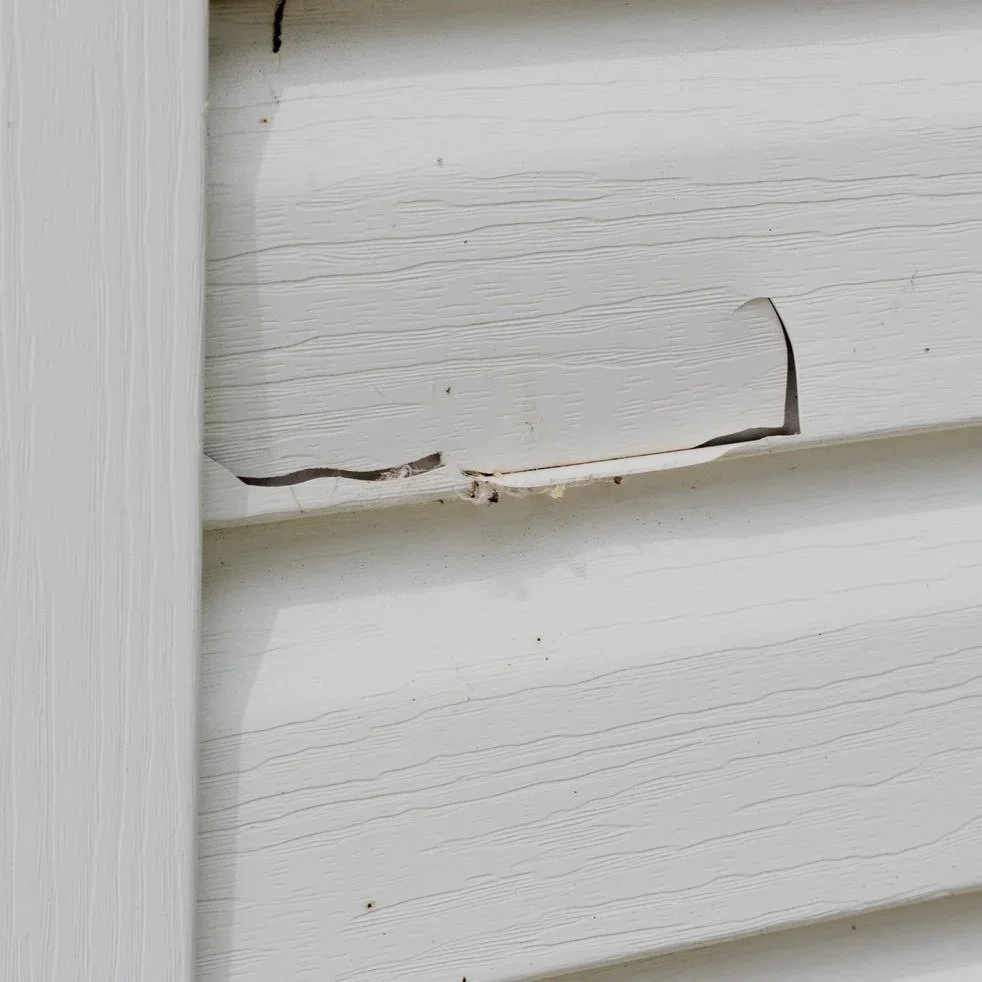
Cracked exterior siding allowing cold drafts and moisture into walls, causing indoor discomfort, rising heating costs, and worsening structural problems.
Cold air slipping through the wall near the couch again? Many homeowners notice that annoying draft along the living room wall or behind the bed and start stuffing towels against the baseboard, only to realize the real problem sits outside in cracked siding. Ignoring those little splits in the exterior often leads to rising heating bills, damp walls, and the constant feeling that the house never quite warms up.
Homes rarely shout about siding trouble all at once. Most of the time, the problem creeps in slowly. A faint whistle during windy evenings, a chilly hallway that never feels comfortable, or a room that suddenly smells musty after rain often traces back to siding damage that quietly worsened over time. Many homeowners assume insulation inside the wall has failed, but exterior siding damage often sits at the center of the problem.
Drafts That Seem To Come From Nowhere
Homeowners frequently search online asking why cold air comes through the wall even though the windows are closed. That frustration usually appears in older homes first, but newer houses experience it too when siding panels crack or pull slightly away from the structure. Exterior siding acts as the first protective layer against wind, moisture, and temperature swings. When that layer breaks down, outside air finds tiny entry points that insulation alone cannot block.
A small gap in siding might look harmless from the yard, yet wind pressure turns that gap into a pathway straight into the wall cavity. Interior insulation slows heat loss but does not stop moving air very well. Air movement carries cold temperatures into living spaces, which explains why homeowners often feel a draft along outlets, baseboards, or corners of rooms. Heating systems run longer trying to compensate, pushing energy bills higher month after month.
Siding Replacement & Repairs often solve problems homeowners never realize are connected to exterior walls. Cracked panels allow air infiltration that affects indoor comfort every day. Addressing the siding layer restores the barrier that keeps outside air where it belongs.
The “It’s Just Cosmetic” Mistake
One of the most common homeowner assumptions is that siding cracks only affect appearance. Many property owners notice a split panel or a warped corner and decide it can wait because the house still looks decent from the street. That belief leads to a surprising number of indoor comfort issues that seem unrelated to exterior walls.
Exterior siding does much more than make a home look finished. Panels overlap and lock together to block wind and guide rainwater away from structural framing. When cracks appear, that protective system stops working the way it was designed. Wind pushes air through gaps, moisture enters the wall cavity, and insulation slowly loses effectiveness. Interior drywall may eventually show subtle signs like faint staining, paint bubbles, or corners that always feel damp during colder months.
Siding Replacement & Repairs address both the visible damage and the hidden weaknesses around those damaged areas. Contractors often discover that a single cracked board allowed water to sit behind the wall for years. Repairs replace damaged materials and restore the exterior barrier that protects the structure long-term. Ignoring those early cracks often leads to far larger repairs later.
Why Drafts From Walls Usually Mean Exterior Trouble
Many homeowners begin troubleshooting drafts from the inside. Weather stripping around windows gets replaced. Door sweeps get installed. Electrical outlets receive foam gaskets. Those upgrades help reduce airflow, but stubborn drafts often remain because the real entry point sits outside the house.
Exterior siding works alongside a layer called house wrap or weather barrier that sits beneath it. That system blocks wind while allowing trapped moisture to escape. Cracks or missing siding expose that protective layer to direct wind and rain, gradually weakening it. Once that barrier loses integrity, outside air travels through the wall assembly and eventually leaks into living spaces.
Homeowners often notice the problem most during winter. Cold winds push through tiny siding gaps and carry that chill into the home’s framing cavities. Interior surfaces feel colder to the touch, which makes rooms uncomfortable even when the thermostat reads a normal temperature. Siding Replacement & Repairs restore the outer shell of the house so those internal barriers can function properly again.
Wind Noise And Temperature Swings That Make No Sense
Another frustration homeowners mention during service calls involves strange temperature swings in specific rooms. One bedroom might feel fine during calm weather, but it becomes noticeably colder on windy days. That pattern strongly suggests exterior air infiltration through damaged siding.
Wind creates pressure differences around a home’s exterior. Strong gusts push against walls and force air through any opening available. Cracked siding panels, loose trim pieces, or warped boards create tiny tunnels where air can enter. Those openings might measure only a few millimeters wide, yet moving air turns them into major heat loss points.
Indoor comfort depends on stable air pressure inside the home. When outside wind disrupts that balance, heating systems struggle to keep temperatures consistent. Residents may notice vents blowing warm air constantly while certain walls remain cold. Siding Replacement & Repairs help restore the sealed envelope that stabilizes indoor temperatures and reduces constant furnace cycling.
Why Quick Patch Jobs Often Fail
Many homeowners attempt quick fixes when siding cracks first appear. Caulk, sealant, or exterior tape gets applied to the damaged area in hopes of stopping drafts. Those temporary solutions might slow air movement for a short time, but they rarely last long once weather conditions change.
Siding materials expand and contract with temperature shifts. Vinyl, fiber cement, and wood all move slightly as seasons change. Caulking across a cracked panel rarely flexes enough to survive those movements. Sealant often separates from the siding surface within months, reopening the gap and allowing air and moisture to return.
Professional siding replacement & repairs focus on restoring the proper interlocking structure of the siding system. Contractors remove damaged sections and replace them with materials designed to overlap and flex with seasonal movement. Proper repairs also address flashing and trim around the damaged area, preventing water intrusion that many patch jobs overlook. Long-term durability depends on restoring the siding system rather than simply covering a visible crack.
Older Siding Materials And Hidden Aging Problems
Homes built decades ago often contain siding materials that gradually degrade with time. Wood siding can split as it dries and shrinks. Vinyl siding becomes brittle after years of sun exposure. Fiber cement products installed in earlier construction eras sometimes develop hairline fractures as fasteners loosen slightly.
Homeowners sometimes assume their siding remains intact because large sections still look fine from the ground. Small cracks high on the wall or near rooflines often escape notice for years. Weather exposure slowly widens those fractures until drafts begin affecting interior rooms.
Siding replacement and repairs allow contractors to inspect areas that homeowners rarely see closely. Ladders and scaffolding reveal damage along upper walls, trim edges, and corners where water runoff concentrates. Replacing aging panels often improves both insulation performance and the visual appearance of the exterior. Many homeowners report immediate comfort improvements once damaged siding sections are replaced.
Why Draft Complaints Often Increase During Winter
Cold seasons highlight siding problems more clearly than any other time of year. Temperature differences between indoor air and outdoor air grow much larger during the winter months. That contrast increases pressure on any gap in the building envelope.
Warm indoor air naturally tries to escape through openings in walls. Cold outdoor air pushes inward through the same pathways. Damaged siding allows those air movements to accelerate, creating noticeable drafts that homeowners feel along floors or walls. Heating systems run longer to maintain comfort, which explains why energy bills suddenly climb when winter begins.
Siding replacement and repairs performed before colder weather arrives often prevent those seasonal comfort problems. Fresh panels seal the exterior surface again, reducing airflow through wall cavities. Indoor temperatures stabilize, and heating equipment operates more efficiently because conditioned air stays inside the living space.
Moisture Problems That Start With Small Siding Cracks
Drafts often bring another hidden issue with them: moisture infiltration. Wind-driven rain follows the same openings that allow cold air into the home. Water entering through siding cracks does not always appear immediately inside the house. Instead, moisture accumulates slowly within wall cavities.
Damp insulation loses much of its ability to resist heat transfer. Mold growth may begin in dark corners of the wall where airflow remains limited. Over time, framing lumber can absorb enough moisture to weaken or rot. Homeowners usually discover these problems only after noticing persistent odors or interior wall damage.
Siding Replacement & Repairs stop the chain reaction before it reaches those expensive stages. Contractors remove damaged panels, inspect underlying materials, and replace compromised sections if necessary. Restoring the exterior barrier protects insulation, framing, and interior finishes from ongoing exposure to wind-driven moisture.
When Homeowners Start Searching For Siding Replacement & Repairs
Search patterns reveal that homeowners rarely look for siding services right after the first crack appears. Many begin researching siding replacement & repairs after living with discomfort for months or even years. Drafts near couches, cold bedrooms, or unexplained heating costs eventually push the problem high enough on the priority list to investigate.
Contractors often hear the same opening comment during consultations. A homeowner points toward a wall and says that spot always feels colder than the rest of the house. Exterior inspection typically reveals cracked siding, missing trim, or gaps where panels shifted slightly over time. Repairing those areas frequently resolves the indoor comfort complaint almost immediately.
VResh Construction LLC often approaches siding work by identifying both visible damage and underlying causes. Installation methods, aging fasteners, and past weather exposure all play roles in siding deterioration. Correcting those factors helps homeowners avoid repeating the same issues several years later.
Frequently Asked Questions
A draft through siding means the weather-resistive barrier behind it is already compromised, because the siding was never the air seal. VResh Construction puts a WRB on every job and back-primes every cut — siding replacement in Gresham, James Hardie siding in Portland. Free assessment, no trip fee: (503) 272-6436.