Cracked Trim And Dull Siding? Avoid Costly Repairs Now
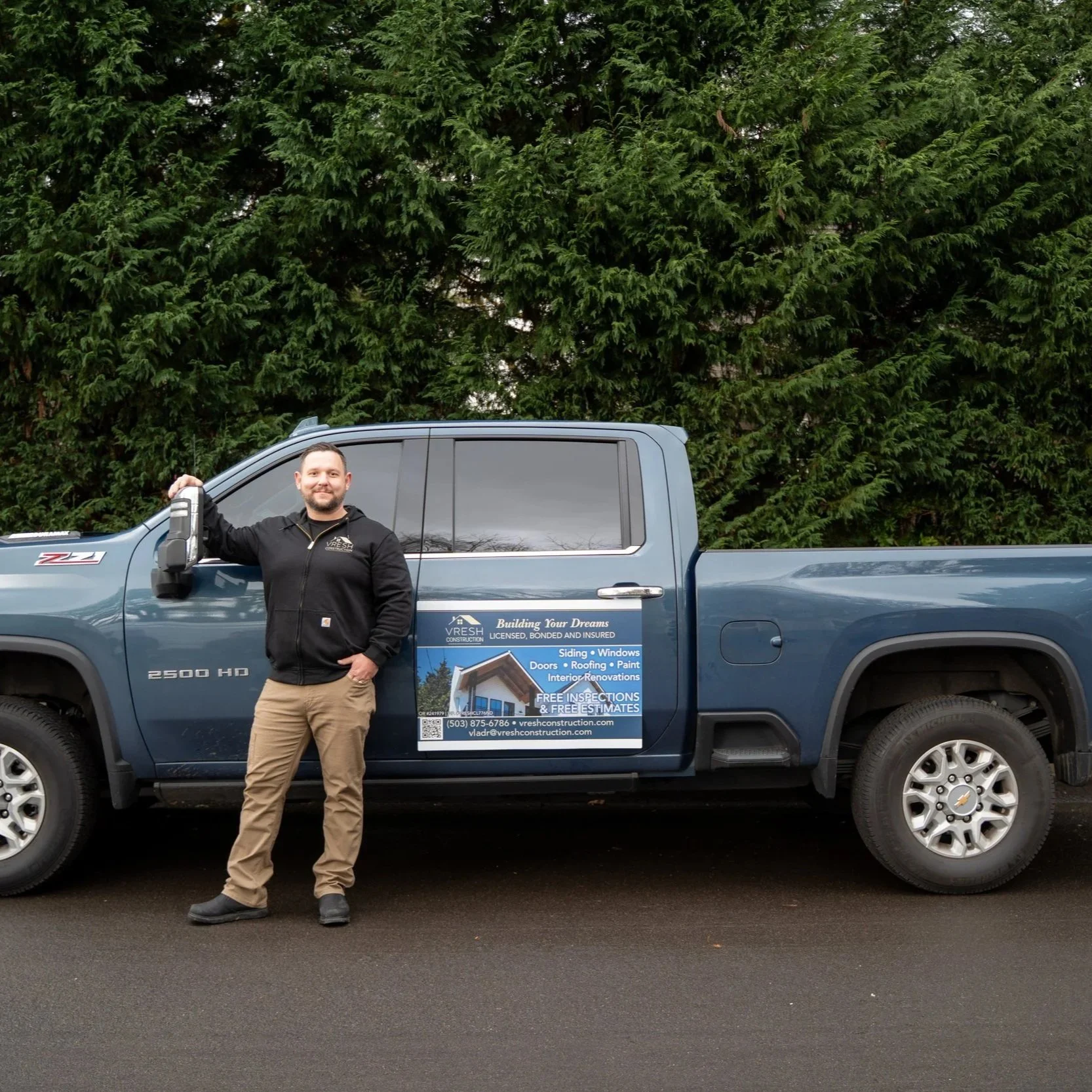
Once water sneaks into wood or siding seams, repairs explode from a $200 paint touch-up to thousands in structural fixes.
Ugh, every time I walk past the front of my house, I see the trim cracking and the siding looking lifeless. It feels like I’m staring at a slow-motion disaster, knowing these small issues will hit my wallet hard if I wait. Paint peeling on the porch, faded siding panels catching dirt, and tiny cracks widening before my eyes—it’s enough to make any homeowner mutter, “Why didn’t I deal with this sooner?”
Neglecting exterior surfaces doesn’t just hurt curb appeal. Every split, chip, and faded patch opens the door for moisture, insects, and rot to start working their magic behind the scenes. Once water sneaks into wood or siding seams, repairs explode from a $200 paint touch-up to thousands in structural fixes. That quiet drip behind a cracked trim or a dull spot on the siding is a ticking clock, silently raising bills and threatening the comfort of your home.
Why Faded Paint and Cracked Trim Are More Dangerous Than They Look
Many homeowners think exterior paint is just cosmetic—a way to make the house look sharp for guests or the neighborhood HOA. The truth is far messier. Paint and protective finishes form a barrier between your home’s materials and the elements. When that barrier fails, wood swells and splits, siding panels warp, and moisture creeps in, silently weakening your structure. Those little chips along the trim, once ignored, let water infiltrate deeper than you’d ever notice from a casual glance.
Dull siding isn’t just unsightly; it signals that protective coatings have worn thin. UV exposure breaks down paint and finishes, leaving surfaces porous. Over time, the sun and rain turn this “minor cosmetic flaw” into extensive damage that reaches framing and decking beneath. If you’re in a region with temperature swings or frequent rain, the consequences accelerate. Homes with faded siding often face higher energy bills as gaps form and insulation effectiveness decreases, making that neglected façade a bigger financial headache than anyone anticipates.
Common Homeowner Mistakes That Make Damage Worse
A huge misstep is thinking a single coat of exterior paint or a cheap DIY project will hold up for years. Many people grab a mid-tier paint, slap it on over old layers, and call it a day. The problem? Without proper prep, old paint, grime, and moisture lock in behind the new layer. Cracks reappear, finishes peel, and wood beneath can rot out, often faster than if the surface had been left untouched.
Another misconception is that trimming or patching cracked boards without repainting the surrounding areas is enough. Trim is an integrated system; when one piece fails, it compromises adjoining materials. Skipping a full inspection or proper sanding means tiny splits expand, seams separate, and paint fails prematurely. Homeowners frequently think the cost of a professional job is optional, but cutting corners almost always leads to compounded repair costs that dwarf the initial investment.
How Exterior Painting & Finishes Protect Your Home
Proper exterior painting and finishes act like armor for your house. They block moisture, resist UV damage, and repel dirt that accelerates deterioration. High-quality finishes penetrate wood and composite surfaces, sealing pores and creating a hard-wearing layer that survives wind, rain, and sun. Applied correctly, they reduce the frequency of repairs and prevent minor problems from escalating into structural nightmares.
Paint and finishes also contribute to energy efficiency. When siding is well-coated and trim sealed, air leaks drop. Drafts that spike heating and cooling bills often trace back to gaps in old, cracked, or peeling finishes. By keeping surfaces tight and sealed, a solid exterior finish keeps your home more comfortable year-round. Neglecting this can turn a visually minor flaw into rising utility costs and long-term frustration, especially in homes with large surface areas or older construction.
Timing Matters: Why Waiting Only Makes Repairs Pricier
Many homeowners wait for the “right season” to repaint or replace siding, thinking a summer project or perfect weather will suffice. In reality, delayed maintenance gives rot and insects time to penetrate deeper. Rainstorms, humidity swings, and freeze-thaw cycles accelerate cracking and paint failure, so waiting another year often doubles repair costs.
Seasonal timing also affects paint adhesion. Painting over moisture-damaged trim or siding in the wrong conditions causes blistering, peeling, and bubbling. Those minor cracks become full-scale replacements, and suddenly, a $500 paint job turns into a $5,000 repair bill for trim, siding, and framing. Homeowners rarely anticipate the compound effect of procrastination: small cosmetic neglect snowballs into structural headaches that consume both time and budget.
How To Spot Issues Before They Spiral Out Of Control
A quick walk around the exterior often reveals warning signs that homeowners miss. Look for tiny cracks along trim edges, fading or chalking paint, and warped siding panels. Tap on wood surfaces to check for soft spots or hollow sounds—these indicate moisture penetration or early rot. Even small insect trails can signal larger hidden infestations that accelerate deterioration.
Checking around doors and windows is also critical. These high-traffic points often show the earliest signs of trim failure. Gaps, cracks, and peeling finishes around frames let moisture infiltrate walls, causing hidden damage. Addressing these spots early, with proper exterior painting and finishes, prevents minor annoyances from growing into full-scale home repairs, keeping both the structure and your wallet intact.
DIY vs. Professional Exterior Painting: Why Cutting Corners Can Backfire
DIY painting might feel economical, but it comes with pitfalls most homeowners don’t see until it’s too late. Skipping proper surface prep, failing to remove old paint layers, or applying coats too thin leads to peeling and cracking within a season. Weather, sun exposure, and the type of siding material all affect longevity. The “cheap shortcut” approach often results in a return trip for repairs sooner than expected.
Professional crews, like VResh Construction LLC, understand material science and local conditions. They evaluate moisture levels, apply the correct primer and finish, and protect intricate trim details that homeowners often overlook. Properly executed painting not only improves aesthetics but also provides long-lasting protection, which DIY methods rarely match. In the long run, professional application reduces headaches, repeated labor, and unplanned costs from surfaces failing prematurely.
Preparing Your Home for Exterior Painting & Finishes
Prepping a home for painting isn’t just about washing the siding. It’s about inspection, repairing soft spots, caulking cracks, sanding rough edges, and sometimes replacing boards entirely. Without these steps, finishes fail quickly, leaving homeowners frustrated and out of pocket. Proper prep sets the stage for a finish that lasts, protects, and maintains appearance for years.
Pressure washing, scraping, peeling paint, and sanding surfaces is crucial to remove contaminants that prevent adhesion. Homeowners often underestimate dirt, mildew, or old chalky layers, assuming a quick rinse is enough. When these elements remain, paint doesn’t stick, and the surface begins failing almost immediately. Taking time with prep may seem tedious, but it’s the step that prevents a cascade of costly repairs down the road.
Maintaining Trim and Siding Between Paint Jobs
Even high-quality finishes don’t last forever, and neglecting maintenance is a fast track to expensive repairs. Homeowners should inspect trim and siding yearly for cracks, peeling, and discoloration. Cleaning siding, trimming overgrown vegetation, and touching up small chips prevents water infiltration and slows UV damage.
Routine inspections also reveal hidden issues like insect damage or early rot. Addressing minor problems promptly keeps exterior surfaces intact, preserving both structural integrity and appearance. A proactive homeowner spends a few hours yearly and avoids emergency calls, large-scale repairs, and the frustration that comes from watching their home slowly deteriorate.
Long-Term Benefits of Regular Exterior Care
Keeping trim and siding in good shape protects your home’s value. Potential buyers notice crisp, intact exteriors, which signal a well-cared-for property. Homes with neglected trim and dull siding often see decreased offers or longer listing times, because small cosmetic problems suggest hidden structural issues.
Regular painting and finishing also preserve energy efficiency, prevent insect damage, and extend the life of wood and composite materials. It’s a strategy that compounds savings and reduces stress. Homeowners who maintain their exteriors regularly experience fewer emergency repairs, lower bills, and a more comfortable living environment—exactly the outcome every homeowner wants, but few anticipate until a crisis hits.
Act Now: Exterior Paint & Trim Issues Can Escalate Fast
How often should exterior painting & finishes be redone?
Most homes benefit from a full repaint every 5–10 years, depending on climate, sun exposure, and siding material. Regular inspections between projects catch minor touch-ups that prevent more serious damage.
Can I fix cracked trim without repainting the entire area?
Small trim cracks can sometimes be patched, but the surrounding paint and finish must be properly addressed. Skipping full prep often leads to rapid paint failure and recurring cracks.
What causes siding to dull even if the paint isn’t peeling?
UV exposure, dirt accumulation, and natural material degradation break down finishes over time. Dull siding is a sign that the protective layer is wearing thin, leaving the surface vulnerable.
Is DIY exterior painting worth the risk?
DIY can work for minor projects, but skipping prep or using improper products often leads to peeling, cracking, and costly repairs. Professionals provide durability, correct materials, and surface protection that most homeowners miss.
How can I prevent moisture damage behind trim?
Inspect regularly for cracks, gaps, or soft spots. Caulking, sealing, and keeping finishes intact are critical, as water infiltration behind trim is the leading cause of hidden rot and structural issues.
Dull paint is cosmetic. Cracked trim is an opening, and once water is behind it the painting job becomes a carpentry job with painting at the end. VResh Construction strips to sound substrate before any coat goes on — exterior painting in Portland, siding replacement in Oregon City. Free estimate: (503) 272-6436.