
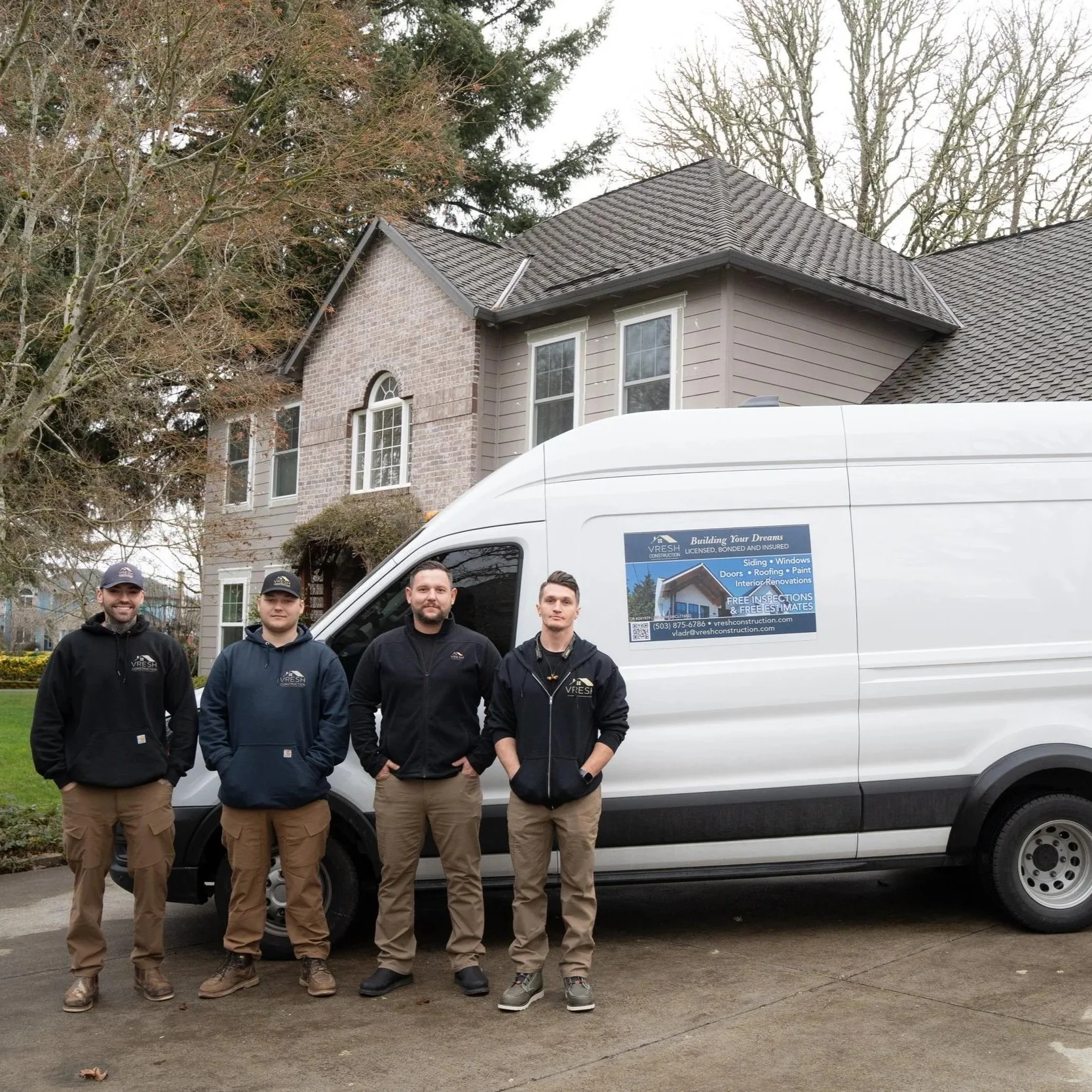
Deck Repair in Portland, OR
Structural Rot, Ledger Failure, Board Replacement & Railing Repair. Full Assessment Before Any Scope. Honest Repair vs. Replace Recommendation. Licensed OR #241979.

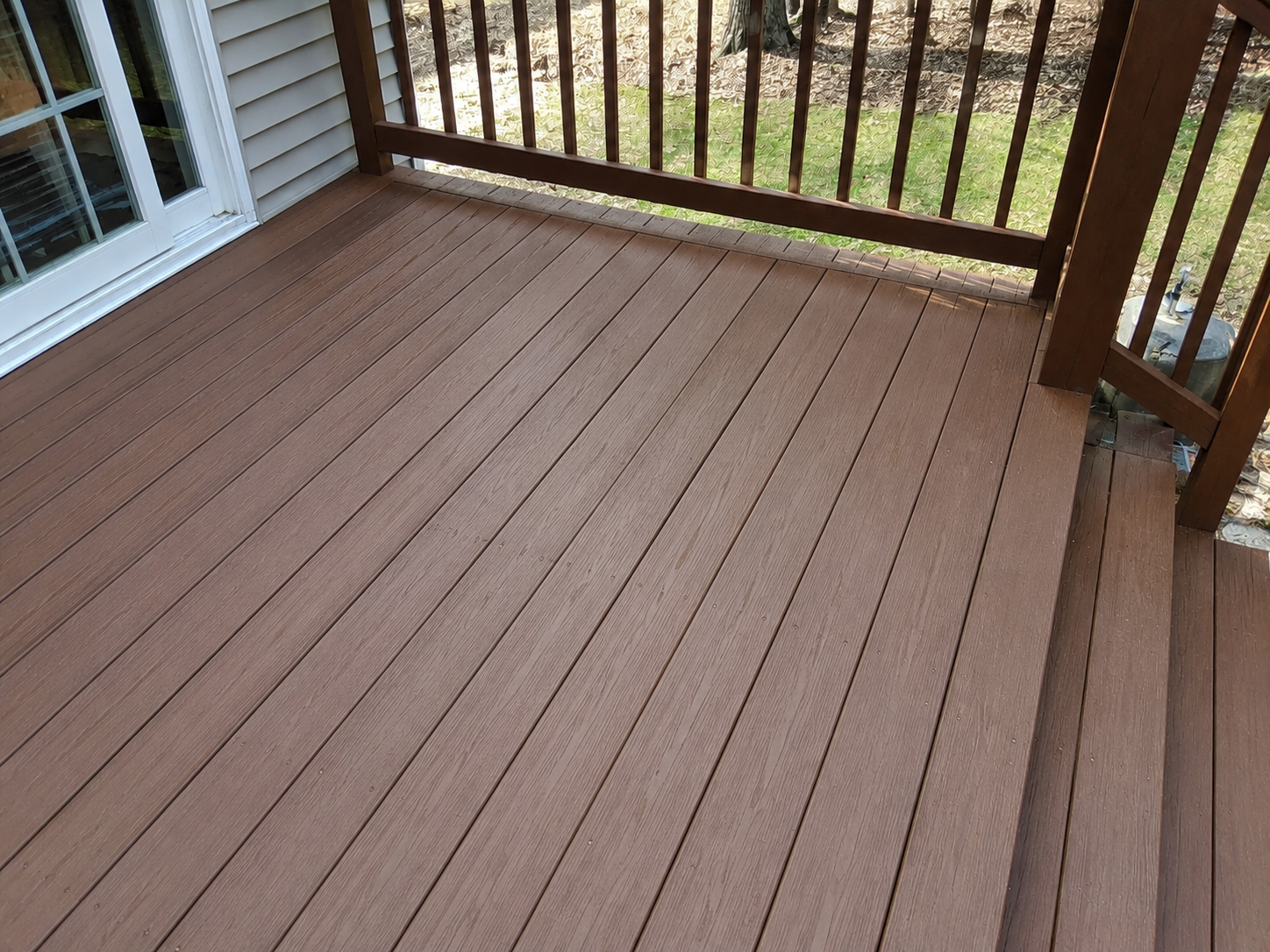
Most Portland deck failures are moisture failures — ledger flashing that was never installed or has failed, post bases that collect standing water, joist ends rotting from debris accumulation, or decking boards that have reached the end of their service life. VResh repairs all of it: structural repairs from the footing up, ledger reflashing, joist sistering, post replacement, decking board replacement, and railing repair and replacement. We assess the full deck before recommending any scope.
The most important thing we do before any repair is to diagnose the root cause, not just the symptom. A soft post can be replaced. But if it failed because the post base collects standing water and there is no drainage, a new post in the same base will fail again within a decade. A ledger can be sistered. But if the flashing system is absent or failed, the new ledger will rot on the same schedule as the old one. We fix the cause and the symptom — and we tell you honestly when the repair cost approaches replacement cost and a new deck is the better investment.
Deck Repair Scope — What We Handle
|
Ledger Repair & Reflashing
|
The ledger — the framing member that connects an attached deck to the house — is the most common structural failure point on Portland decks. Ledgers installed without standoff spacing or proper flashing trap moisture against the house rim joist and band board, producing rot that can be invisible for years. Ledger repair involves sistering or replacing the damaged ledger board, repairing any rot in the house rim joist and band board, and installing a complete flashing system — self-adhering membrane, standoff, and Z-flashing above. Ledger reflashing alone, without repairing the underlying rot, is a short-term fix that will fail again. |
|
Post and Footing Repair
|
Deck posts that sit in direct ground contact or in post bases that collect standing water develop rot at the base within 10 to 20 years in Portland's sustained moisture. A soft or visibly deteriorated post base is a structural safety issue — a failed post can allow the deck to rack or drop. Post replacement involves jacking the deck frame at the affected bay, removing the failed post and footing if needed, installing a new footing, and setting a new post in a code-compliant post base with drainage. Never patch a rotted post base — replace it. |
|
Joist and Beam Repair
|
Joists and beams that have sustained end-rot or mid-span moisture damage can often be sistered — a new joist is installed alongside the damaged one and connected to transfer the load. Full joist replacement is required when the damage is too extensive for sistering or when the joist is inaccessible for sistering without major demolition. Beam repair follows the same logic: sistering is the preferred approach for localized damage; full replacement for extensive damage. |
|
Decking Board Replacement
|
Individual decking boards that have split, checked, cupped, or rotted can be replaced without rebuilding the full deck. For wood decks, matching the existing board species, grade, and profile is important for visual consistency. For composite decks, matching the existing product line and color is required — weathered composite boards will not match the color of new boards, so full-section or full-deck board replacement is sometimes the more practical approach when multiple boards need replacement. |
|
Railing Repair and Replacement
|
Deck railings that are loose, rotted at the post base, or structurally compromised are a safety issue. Oregon residential code requires railings on decks 30 inches or more above grade — a railing that fails a load test is a code violation and a liability. Post-base rot at the deck surface is the most common railing failure point. Railing repair typically involves sistering or replacing the post, re-blocking the connection to the deck frame, and re-securing the rail. Full railing replacement is appropriate when post damage is widespread or when upgrading to a composite or aluminum system. |
|
Stair Repair
|
Deck stairs are subject to the same moisture and rot failures as the deck structure — and stair stringers that sit on or near grade are particularly vulnerable. Stringer rot, tread rot, and failed handrail connections are common repair items. Stair repair involves replacing damaged stringers, treads, or risers and re-securing the stair structure to the deck frame. Stair repairs that involve structural members require a building permit in most Portland jurisdictions. |
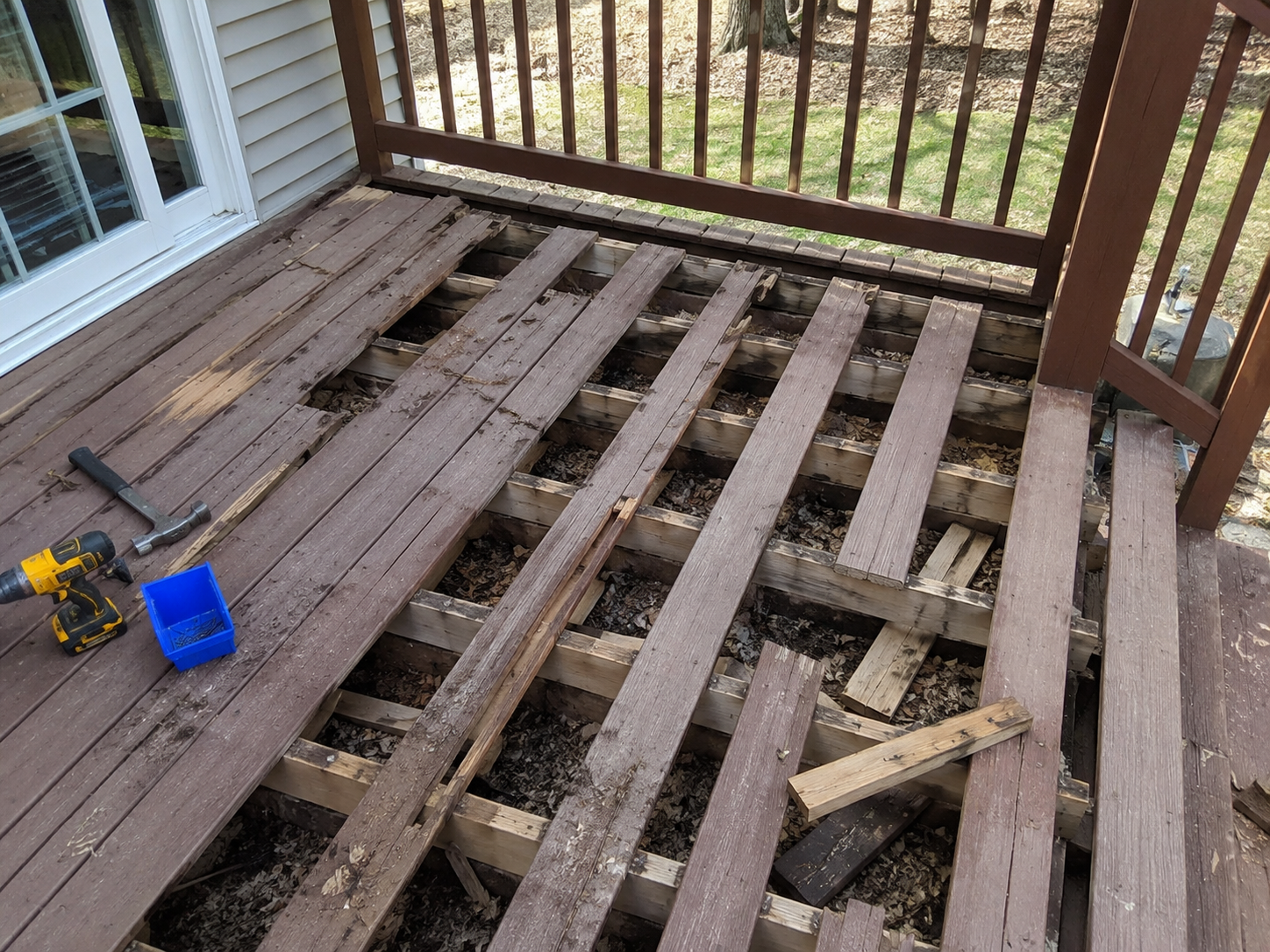
Why Portland Decks Fail — The Most Common Issues We Find
Ledger Flashing Failure — Portland's Most Common Deck Failure
Most Portland attached decks built before 2000 lack ledgers with drainage standoffs or proper flashing. Water that contacts the unprotected ledger-to-house junction wicks behind the ledger, saturates the rim joist and band board of the house, and produces slow-developing rot that is invisible until it is advanced.
Signs of ledger flashing failure: soft or discolored wood at the rim joist visible from below the deck; water staining on the interior wall above the ledger level; a gap opening between the deck and the house at the ledger location. If you see any of these, the ledger connection requires immediate assessment.
Post Base Rot — Ground Contact and Standing Water
Deck posts installed in direct soil contact or in post bases that allow water to pool at the base develop rot at the contact point. The rot begins at the surface-to-soil or surface-to-base interface and progresses up the post interior — the exterior of the post may appear intact while the interior is significantly degraded.
Test: probe the base of each deck post with a screwdriver or awl. If the tool penetrates easily, the post has internal rot. Do not stand on or load a deck with soft post bases — the structural capacity of the post is reduced, and the deck may not safely carry design loads.
Bottom-Course Joist Rot from Debris Accumulation
Debris — leaves, needles, and organic material — that accumulates on top of the rim joist and at the bottom of the deck field joists holds moisture against the wood and accelerates rot. Portland's significant tree canopy and 9-month wet season create ideal conditions for debris-related rot at the joist ends and rim.
Regular deck cleaning — clearing debris from between boards, from joist tops, and from the rim joist area — is the most effective preventive maintenance for wood deck framing in Portland.
Decking Board Deterioration
Pressure-treated wood decking in Portland's climate develops checking (surface cracks along the grain), graying, and eventual splitting over 10–20 years, depending on the wood species, treatment level, and maintenance history. Boards that are checked, split, or have raised grain are a splinter and trip hazard.
Decking board deterioration is a surface condition that does not necessarily indicate structural failure. When the framing is sound, board replacement is the correct scope. When board deterioration is accompanied by soft spots underfoot — indicating joist damage below — a full structural assessment is needed before board replacement is ordered.
Deck Repair — Our Assessment and Repair Process
Repair vs. Full Deck Replacement — How to Decide
Repair Is the Right Call When
Repair makes sense when the structural damage is localized — a single failed post, a section of rotted ledger, a run of failed decking boards — and the remaining structure is sound. When the root cause of the failure can be correctly addressed (ledger reflashed, post base replaced with proper drainage, debris source managed), a correctly executed repair will last as long as a new deck. Repair is also the right call when the deck’s overall age and condition would make a full replacement premature. A 15-year-old deck with one failed post and soft boards at a planter that held water is a repair job, not a replacement.
Full Replacement Is the Right Call When
Full replacement makes more sense when structural damage is widespread — multiple posts, extensive joist end-rot, a ledger that requires both board replacement and significant house rim joist repair. When the cost of repairs approaches the cost of a new deck, a new deck is the better investment: you get a full warranty, updated code compliance, and a known service life ahead of you rather than a repaired structure of uncertain remaining life. Full replacement is also the right call when the homeowner wants to change the deck configuration, upgrade to composite decking, or add features (built-in seating, pergola, lighting) that the existing structure cannot support.
How We Decide — And How We Tell You
Vlad assesses the full deck structure at the estimate visit, documents every failure point, and gives you a straight recommendation. If repair is the right call, we scope it and price it fairly. If replacement makes more economic sense, we say so and provide a replacement estimate alongside the repair estimate so you can compare both options. We do not pad repair scopes to approach replacement pricing. We do not recommend replacement on a deck that can be correctly repaired. The goal is the right recommendation for your situation — not the higher-revenue option.
Serving Portland Metro Area
VResh Construction provides window replacement, siding installation, roofing, dry rot repair and full exterior renovation services throughout the Portland metro area and Southwest Washington.
Portland Metro — Oregon
Southwest Washington
Extended Service Areas
(503) 272-6436 — Call or Text, Available 24/7
We answer calls and texts at any hour. For storm damage, active leaks, or structural emergencies, calling directly is the fastest path to a response.
Deck Repair FAQs — Portland Homeowners


Client's Talk
We have a wealth of experience working as main building contractors on all kinds of projects, big and small, from home maintenance and improvements to extensions, refurbishments and new builds.
Get a Free Andersen Window Estimate
Vlad comes out, assesses every opening, and gives you a straight written quote — no sales pressure, no commitment required.
✓ Same-day response on all estimate requests
✓ No commission-based sales — just honest quotes
✓ Licensed OR #241979 · WA #VRESHCL776ND
✓ EPA Lead-Safe Certified for pre-1978 homes
✓ All major window brands available — we let you choose