New Bedroom Window Letting Cold Air In Portland, OR—What A Pain
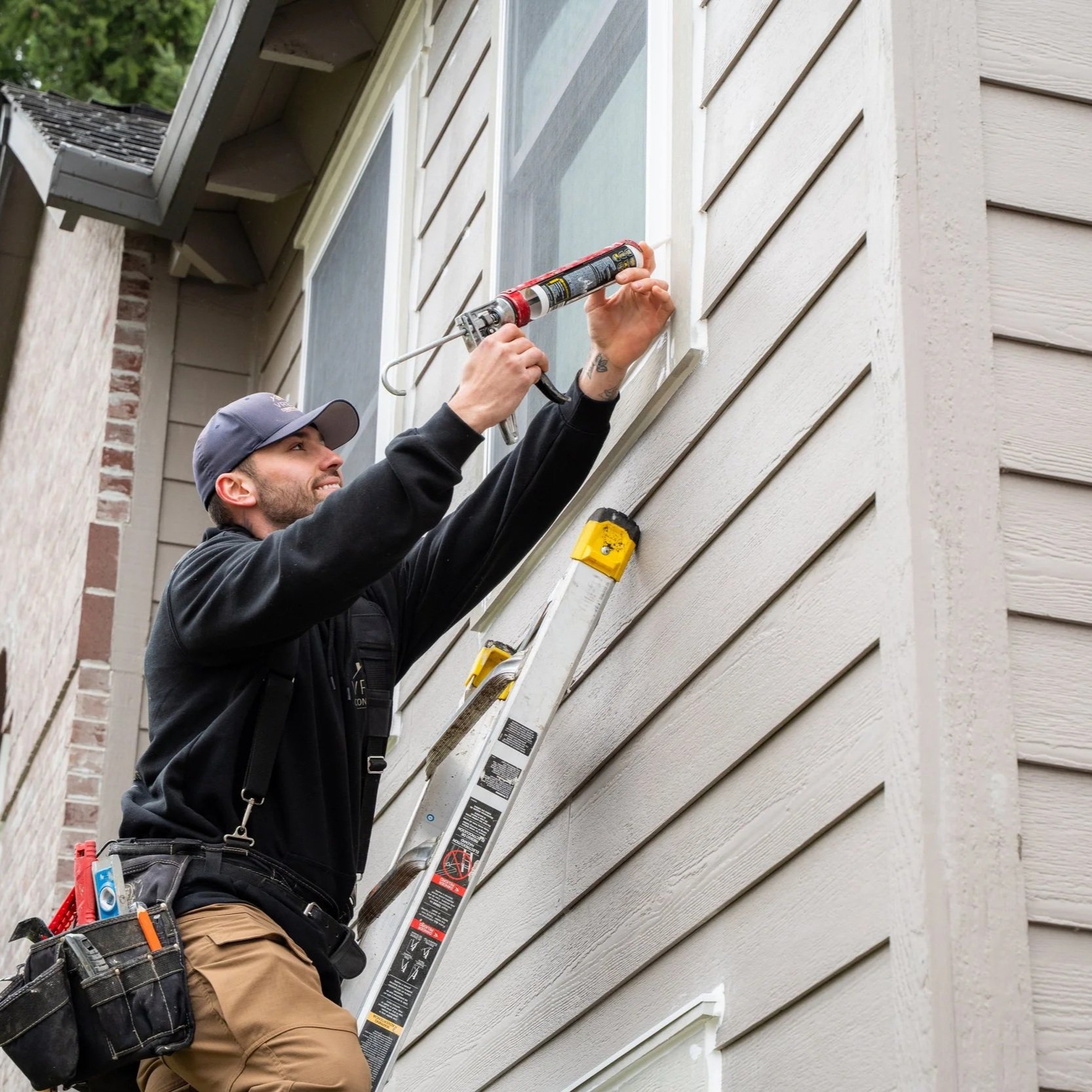
Vresh Construction's technicians know exactly where new bedroom windows let cold air in across Portland homes — and seal every gap, edge, and frame joint before leaving the job site.
I keep waking up freezing, even with the heater cranked all night, and I swear the cold is sneaking in around the new window frame. Every morning, my bedroom feels like an icebox, and my energy bill climbs while I sit there shivering. That draft isn’t just uncomfortable—it’s sneaky, expensive, and completely avoidable if the installation and setup had been handled right.
Portland, OR, homeowners often think swapping out a window is as simple as popping in a new frame and calling it done. The reality is far messier. Poor sealing, misaligned frames, or using the wrong materials can turn what should be a cozy upgrade into a continuous headache. Even a small gap, invisible at first glance, can funnel cold air straight across the room, creating icy streaks along walls and sills.
The Draft You Can’t Ignore
Most homeowners underestimate how much impact a single leaky window can have. You might see a small gap along the edges or notice condensation forming where the cold air hits warmer surfaces. That condensation isn’t just annoying—it can rot wood frames, warp trim, and eventually lead to mold growth if left unchecked. While you’re battling the shivers, the structural damage is quietly stacking up behind the scenes.
Many people assume that just adding a little caulk or weatherstripping will fix the problem, but these are often temporary band-aids. Proper window installation involves precise measurements, the right type of insulation, and a careful fit that accounts for how materials expand and contract with Portland’s damp climate. Skipping even one step might save a weekend, but it leads to drafts, ice-cold mornings, and mounting repair costs later.
Common Installation Mistakes That Let Cold Air In
One of the biggest issues we see in Portland, OR, is windows that are simply not squared correctly. Even if the glass and frame are high-quality, a frame that’s off by a fraction of an inch can create invisible gaps that funnel air into your bedroom. Homeowners often don’t notice until the first winter night hits and the chill sneaks up from the sill.
Another regular mistake is using the wrong type of insulation around the window frame. Builders might rely on cheap foam or minimal sealing to speed up installation. It works for a short while, but eventually compresses or shifts, leaving your room vulnerable. I’ve walked into homes where the window looked fine, but the homeowner complained about drafts—they had gaps nearly a quarter-inch wide in places you couldn’t see without crawling into the corner.
Why Cheap Windows Cost More Than Premium Ones
It’s tempting to buy the least expensive window replacement and call it a win. But cheaper windows often lack durable seals, thermal breaks, and sturdy frames, which means the cold air you think you’re blocking slips right through. Portland, OR, homeowners frequently learn the hard way that “saving” a few hundred dollars upfront turns into a year of discomfort and higher heating bills.
Even premium windows aren’t a fix-all if they aren’t installed properly. I’ve seen top-of-the-line units set in uneven frames with substandard caulking that still let ice-cold drafts flow in like a river. The difference is that quality products paired with careful installation dramatically reduce long-term headaches, energy costs, and ongoing frustration.
Seasonal Shifts Make Poor Installation Obvious
Winter in Portland, OR, can be brutal on poorly installed windows. Summer brings mild temperatures that hide gaps, but when the wet, cold season arrives, even minor flaws become major annoyances. The metal or vinyl frames contract, caulking hardens, and suddenly that bedroom window you barely noticed is a source of constant drafts.
Homeowners often misinterpret the problem as “just a cold house” or blame the heating system. In reality, the window installation is often at fault. Once you understand how seasonal changes interact with window materials and insulation, you can predict where leaks will appear and take action before the bills and discomfort escalate.
The Hidden Risks of Ignoring the Draft
It’s easy to ignore a minor draft in a bedroom, thinking it’s harmless. The reality is that continuous exposure to cold air can damage wood trim, cause uneven flooring expansion, and even increase moisture levels in walls—perfect conditions for mold. Beyond structural concerns, a leaky window quietly spikes energy bills as your heating system works overtime just to keep your room livable.
Portland, OR, homeowners also underestimate the emotional toll. Cold bedrooms lead to restless nights, cranky mornings, and frustration that lingers long after you leave the room. Addressing the issue sooner rather than later saves money, preserves the integrity of your home, and keeps your family comfortable without a constant battle with frost creeping through the frame.
Upgrading Windows the Right Way
Proper window installation starts with assessing the opening. A seasoned professional will measure carefully, checking for squareness, depth, and alignment. They’ll choose materials that perform in Portland’s climate, with seals and insulation designed to handle moisture and temperature swings. Installation isn’t just about dropping in the window—it’s about integrating it into your home so it acts as a barrier against weather, noise, and energy loss.
Experienced installers, like those at VResh Construction LLC, focus on every detail. That includes backer rods, spray foam, caulking, and sometimes flashing that’s tucked behind trim to prevent water penetration. Many homeowners assume these steps are optional, but cutting corners can turn a single window into an ongoing source of frustration. Doing it right the first time creates a tight seal, a quieter room, and heating bills that actually make sense.
Common Misconceptions About Window Installation
Homeowners often think that all window installation services are the same, or that it’s fine to rely on older techniques. Some assume any handyman can handle it, or that DIY tutorials online are sufficient. The truth is that small errors in leveling, sealing, or material choice snowball over time.
People also assume the biggest threat is the glass itself, when in reality, the frame and surrounding insulation matter just as much. Even top-notch double-pane glass can fail to keep a bedroom warm if the frame leaks. Understanding the entire system—not just the window—is critical. Proper installation balances the glass, frame, insulation, and weatherproofing so the unit performs as intended.
How To Spot If Your New Window Is Letting Air In
You don’t have to be an expert to catch early warning signs. Run your hand along the edges on a chilly morning. Watch for condensation forming in spots that shouldn’t have it. Listen for whistling noises when the wind picks up. Even small drafts can indicate misaligned frames, gaps in insulation, or compromised seals.
Homeowners sometimes mistake these signs for normal seasonal changes, but repeated occurrences point to installation issues. A small inspection now can save you the discomfort, energy waste, and hidden structural damage that will cost far more in the long run. Paying attention to these cues is the first step toward keeping your bedroom warm and your house functioning properly.
Why Energy Bills Spike After Window Replacement
A new window should reduce drafts, not create them. Yet, Portland, OR, homeowners frequently see an unexpected jump in heating costs right after a replacement. The culprit is usually improper installation, which allows warm air to escape or cold air to enter. That inefficiency forces your heating system to work harder, increasing monthly bills while you’re still freezing in the room.
Cheaper windows or corner-cut installations exacerbate the problem. If the frame shifts, caulking compresses, or insulation is insufficient, the window acts like a tunnel for outdoor air. Understanding how energy loss happens after installation can help you identify problems sooner and avoid paying for months of wasted heat.
When Repairs Are Inevitable
Sometimes, even with a decent installation, repairs are necessary. Moisture infiltration, frame settling, and weathering can create new gaps over time. Homeowners often ignore minor drafts until they become uncomfortable or cause damage, but timely intervention can prevent costly structural fixes later.
Repair strategies vary depending on the root cause. If the frame is misaligned, a full realignment might be required. If seals fail, replacing caulking or foam insulation can stop drafts. Understanding that window performance is a system—not just glass—is key to addressing problems effectively without repeated headaches.
Don’t Ignore Drafty Windows—Fix Installation Issues Before Energy Costs Climb
How can I tell if my bedroom window is improperly installed in Portland, OR?
Check for drafts along the edges, condensation on the inside of the frame, or whistling noises when the wind blows. Even small gaps can indicate installation issues that compromise insulation.
Why does my energy bill increase after getting new windows?
Higher bills usually result from leaks around the frame or poor insulation. Even high-quality windows can underperform if they weren’t installed correctly, forcing your heating system to work harder.
Can weatherstripping fix a poorly installed window?
Weatherstripping can help temporarily, but is not a permanent solution. Misaligned frames or gaps in insulation need professional attention to stop drafts and prevent long-term damage.
Is it worth replacing a window that is letting in cold air?
Yes, replacing or properly adjusting the window can prevent structural damage, lower energy bills, and restore comfort. Ignoring the problem usually leads to greater frustration and costs over time.
How do seasonal changes affect window performance in Portland, OR?
Winter temperatures and moisture can highlight flaws in installation that weren’t noticeable during warmer months. Materials contract, caulking hardens, and small gaps become significant sources of drafts.
Cold air around a new window usually means the gap was filled rather than sealed. Low-expansion foam and a proper air seal go in before the casing, and the casing then hides whichever was done. VResh Construction seals first — window replacement in Gresham, window replacement across Portland. Free assessment, no trip fee: (503) 272-6436.