Why Budget Sliding Door Installs Fail Early in Portland
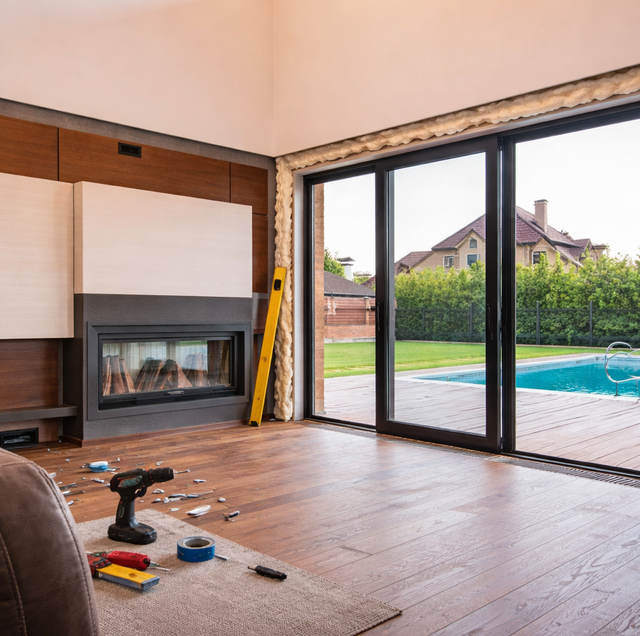
Quick Answer: A budget sliding door install often looks identical to a proper one on install day. The difference shows up later, in leaks traced to a skipped sill pan, a bad flashing lap, or an unsealed frame gap.
Two identical sliding doors, same brand and series, installed the same month on two houses a few streets apart. One is still tight and dry years later. The other started showing a soft spot near the threshold well before that, and by the time anyone noticed, the subfloor underneath needed real structural work. Same door, same manufacturer, same climate. The difference was never the door.
Sliding doors don't fail because of the panel or the glass most of the time. They fail because of what did or didn't happen in the rough opening before the panel ever went in, and a rushed or corner-cut installation can look identical to a correct one right up until the first real leak shows up.
What "Budget" Usually Actually Means
A lower price on a door replacement isn't automatically a red flag. Panel count, glass package, and brand all legitimately affect price. The failures this article is about trace to a different kind of cost-cutting: skipping labor-intensive steps that don't show up in a photo or an after-the-fact inspection from inside the house.
| Shortcut | What Gets Skipped | Typical Time to Failure |
|---|---|---|
| Caulk instead of a sill pan | Formed drainage tray under the track | Often years, once water finds the low point |
| Flashing lapped in the wrong order | Head flashing tied properly into the wall's water-resistive barrier | Can be faster, since wall water has a direct path in |
| No air-sealing foam at the frame gap | Low-expansion foam between door frame and rough framing | Immediate draft, though rot risk is lower than the two above |
| Framing not inspected before reinstall | Checking for existing moisture damage before the new door goes in | Pre-existing damage keeps spreading, undetected, behind the new trim |
Why caulk-only installs fail on a delay: This is the shortcut that's hardest to catch at signing, because a caulked threshold and a properly flashed one look identical at the walkthrough and in a photo. The gap only shows up once the caulk bead, which has a shorter working life than a formed drainage detail, starts to fail on its own schedule, usually well after the installer has moved on to other jobs.
A "new" door that leaks two or three years after installation is not necessarily a defective door. It's more often evidence that the rough opening underneath it was never properly detailed in the first place.
Why This Failure Pattern Repeats on a Similar Timeline
Rot doesn't announce itself the moment moisture reaches a wood surface, and a leak becoming noticeable isn't the same milestone as the damage becoming structurally significant. Wood-decay fungi generally need sustained moisture content above roughly 20 percent to establish, and once that threshold is crossed, reaching a level of damage serious enough to require structural repair typically takes several years, not months, depending on how much water is getting in and how consistently. A slow, small leak from a missing sill pan tends to take longer to reach that point than a larger flashing failure that lets in more volume during every storm.
Patched repairs follow the same pattern: Rot repaired with filler or sealant instead of a proper structural fix, rather than a full removal and replacement of the compromised material, commonly becomes structurally significant again on a similar multi-year timeline, because the moisture path that caused it was never actually corrected. The repair looked done. The cause was never addressed.
What This Costs Compared to Doing It Right the First Time
A properly installed sill pan and correctly integrated flashing add real labor time to an installation, but that labor cost is modest next to what the same shortcut costs once it's caught late instead of early. Repair costs in this category commonly multiply several times over for every extra year a leak runs undetected, which is the actual math behind why the up-front labor is worth paying for.
Ask for a written scope of work that lists sill pan and head flashing as separate line items, not a single bundled "installation" charge. If those items aren't itemized, ask directly whether they're included before signing.
What to Check Before Assuming an Install Was Done Right
A finished door replacement looks the same in a photo whether every step happened correctly or several got skipped. A few things are worth checking directly: whether the original estimate itemized a sill pan and head flashing separately, whether the installer inspected the rough opening for existing damage before installing the new door, and whether a written warranty was provided covering workmanship, not just the manufacturer's product warranty.
It's reasonable to ask an installer directly, before signing, what happens if hidden moisture damage turns up once the old door is removed. A contractor with a clear, specific answer, documenting the finding and adjusting the repair scope before reinstalling, is describing a real process. A vague answer, or one that skips straight to reassurance without describing an actual step, is worth treating as a signal on its own.
Frequently Asked Questions
Not by itself. A workmanship warranty covers whoever issued it agreeing to fix problems that show up within the covered period, but it doesn't verify the installation was correct at the time of signing. A shorter warranty from a company that itemizes flashing and sill pan work in writing is a stronger signal of installation quality than a long warranty attached to a vague, bundled estimate.
Rarely. A manufacturer's warranty covers defects in the door unit itself, the glass seal, the hardware, the frame material, not how it was set into the wall. Flashing and sill pan work fall under whoever performed the installation, which is why a separate written workmanship warranty from the installer matters as much as the door's own warranty paperwork, and why a leak traced to installation rarely qualifies for a manufacturer warranty claim.
Not reliably by itself, though a timeline that leaves room for the inspection, a possible structural repair, and flashing integration is a better sign than a tightly packed one-day schedule. The more useful question is what the estimate says will happen if the crew finds a problem once the old door is out. An installer with a specific answer for that scenario, and a timeline that has room for it, is describing a real process rather than padding the calendar.
For a door that's already installed, with no way to go back and check the original estimate, the earlier signal is a documentation gap rather than a physical one: no workmanship warranty on file, no paperwork mentioning flashing or a sill pan at all, or a prior owner who can't say who installed it. That gap doesn't prove a problem exists, but it means there's no record ruling one out either, which is worth knowing before relying on the door's history the way a newer installation's paperwork would let a homeowner do. By the time a leak or musty smell becomes noticeable, the moisture has usually already been active behind the wall for a while, so a missing record is worth treating as reason to look sooner rather than wait for a physical sign.
The same root cause, water getting past a missing or poorly integrated drainage detail, applies to all patio door types, since every configuration sits in a rough opening that needs the same sill pan and flashing detail regardless of how the panels operate. Multi-slide systems add a wider span of sill and header to get right, which means more linear feet of opportunity for the same kind of shortcut to cause a problem.
What the Estimate Doesn't Show
Two contractors can hand over estimates with the same door, the same brand, and nearly the same total, and still be describing two very different jobs underneath. The gap between them shows up years later, on a schedule set by how much water gets in and how often, not by anything printed on the paperwork at signing.
The sill pan is the step budget installs skip, and you cannot see it from inside the house. Get a written assessment from VResh Construction, which documents what it finds at the sill before quoting any sliding door replacement in Vancouver or Washougal. Call (503) 272-6436.