Best Sliding Glass Door Brands for Portland: What 4 Get Right
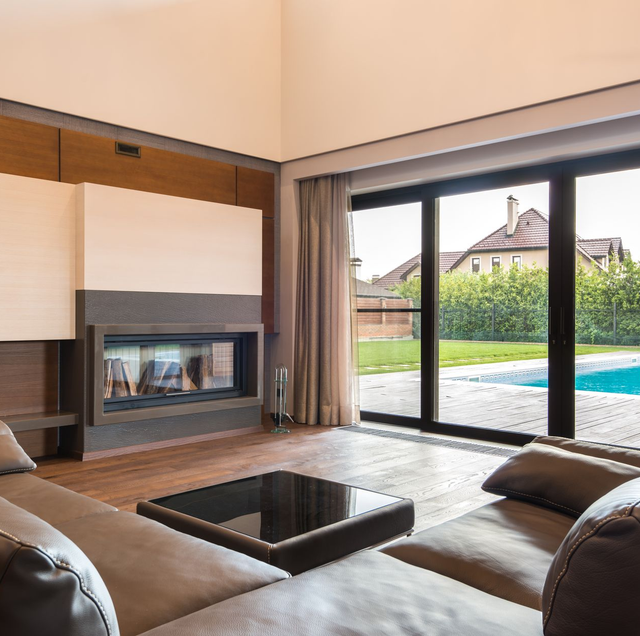
Quick Answer: Milgard, Andersen, Pella, and Jeld-Wen each use different frame materials and warranty terms, and those two factors matter more for long-term performance than the brand name. A standard two-panel slider runs about $2,200 to $4,500 installed, regardless of brand.
Four sample corners sat on the kitchen table: a white vinyl profile, a bronze-anodized aluminum one, a wood-core section clad in tan vinyl, and a black fiberglass frame that felt noticeably heavier in the hand than the other three, each one next to its own warranty booklet. Same rough opening, four different materials, four different sets of fine print, and a decision that would outlast the deck boards on the other side of the wall.
Brand loyalty gets a lot of the credit in patio door conversations, but the material inside the frame and the fine print in the warranty booklet do more of the actual work over the next twenty years than the name stamped on the hardware. This comparison walks through what Milgard, Andersen, Pella, and Jeld-Wen actually put into their sliding door lines: frame construction, warranty structure, and where each brand tends to land on price, so the decision at the sample table comes down to specs instead of a logo.
What Actually Separates One Patio Door Brand from Another
Before comparing brands directly, it helps to know which three variables do most of the work, because all four manufacturers below compete on the same three axes.
Frame material: Vinyl doesn't absorb moisture and doesn't need painting, which makes it a low-maintenance default for standard replacements. Aluminum conducts heat and cold readily unless the frame is thermally broken, meaning a strip of insulating material interrupts the metal's direct path between the interior and exterior faces. Fiberglass has a coefficient of thermal expansion close to that of glass, so a fiberglass frame doesn't rack or bind at the panel-to-frame seam the way materials with mismatched expansion rates can under wide temperature swings. Wood-core frames, protected by vinyl or fiberglass cladding, add interior warmth and paintability that an all-vinyl frame doesn't offer, but the cladding's integrity at every seam is doing the moisture-protection work that a solid vinyl or fiberglass frame handles by default.
Warranty terms: "Lifetime" warranties differ in scope more than the word suggests. Some cover parts, labor, and glass breakage for as long as the original owner keeps the home; others cover parts for life but limit labor coverage to a fixed window after purchase; a few transfer to whoever buys the house next, and others don't. None of that shows up in a sample corner held up to the light, only in the document a buyer usually doesn't read until something breaks.
Price tier: Entry vinyl sits at the low end of a standard two-panel replacement, commonly $2,200 to $4,500 installed, while fiberglass and premium wood-clad options push toward the top of that range or into French-door and multi-slide territory, $3,000 to $6,500 or more for French doors and $8,000 to $28,000-plus for multi-slide systems, once size, panel count, and hardware upgrades stack up. Brand alone isn't the biggest price lever. Panel configuration and glass package usually move the number more than the manufacturer's name on the extrusion.
Milgard: Volume Vinyl and Thermally Improved Aluminum
Milgard offers sliding doors in two frame materials: vinyl (V300 Trinsic, V400 Tuscany, V450) and thermally improved aluminum (A250). The vinyl lines are the highest-volume sellers for standard two- and three-panel replacements, with narrow sightline profiles designed to add glass area within a given rough opening. Milgard's C700 fiberglass line is a window product; the brand's sliding patio doors are vinyl or aluminum only.
Warranty structure: Standard coverage is the Lifetime Limited Warranty, with some territory restrictions depending on where the door is installed. Buyers of the V400 Tuscany and V300 Trinsic series can add the optional Full Lifetime Warranty, which extends coverage to glass breakage in addition to parts and labor for as long as the original purchaser owns the home, a step beyond what the standard warranty includes.
Andersen: Wood Core, Vinyl or Fiberglass Cladding, Transferable Warranty
Andersen's gliding patio doors are built differently from an all-vinyl or all-fiberglass frame: a wood core, then clad on the exterior. The 200 Series Perma-Shield and 400 Series Frenchwood use a vinyl-clad exterior over the wood core, while the A-Series uses a fiberglass-clad exterior, marketed toward matching classic architectural trim and paint colors on older housing stock. The wood core is where Andersen's paintable interior finish and traditional profile come from, but it also means the cladding has to stay sealed at every joint to keep that core dry over time, a different failure mode than a solid-material frame has.
Warranty: Andersen's Owner-to-Owner limited warranty is transferable to a subsequent buyer if the home sells, a detail worth knowing if resale is anywhere on the horizon. That's a differentiator from warranty language that applies only to the original purchaser and effectively resets to nothing at closing.
Pella: Frame Material Changes by Product Line
Pella's sliding patio doors aren't one material across the board. Depending on the series, the frame is vinyl (250 Series, Encompass by Pella), fiberglass (Impervia), or a wood core with low-maintenance aluminum cladding on the exterior (Lifestyle Series, Reserve). Because of that spread, Pella publishes separate warranty documents by material category rather than one blanket policy for the whole product range.
Labor coverage is time-limited: Pella's product warranties cover installation labor for the first two years from the purchase date on Pella-installed product; coverage terms can differ when a third party performs the install, which is worth confirming at the time of purchase. After that two-year window, materials may still be covered under warranty while labor for a repair is not, a nuance worth asking about directly if a door issue turns up in year four or five rather than year one.
Jeld-Wen: The Budget-Tier Vinyl Entry
Jeld-Wen's Builders Vinyl (V-2500) sliding door is built and marketed as the economical end of the sliding-door market: an extruded vinyl frame with adjustable metal rollers, designed for smoother long-term operation as a door settles into its track, and a Limited Lifetime Warranty that matches the coverage language of the other vinyl products in this comparison. It's positioned at Jeld-Wen's lowest published price tier, one step below its mid- and premium-tier product lines.
Color option: Jeld-Wen markets its FiniShield exterior color technology as adding factory color to the frame exterior without the fading or chalking some painted vinyl surfaces show after years of direct sun exposure, according to the manufacturer's own product claims, a detail that matters more for a west- or south-facing slider that takes direct sun for a large part of the day than for a shaded or north-facing opening.
Brand Comparison at a Glance
| Brand | Frame Material | Warranty | Price Tier | Wet-Climate Suitability |
|---|---|---|---|---|
| Milgard | Vinyl or thermally improved aluminum (line-dependent) | Lifetime Limited standard; optional Full Lifetime on V400/V300 | Entry to mid | Vinyl lines resist moisture pickup without paint upkeep; the A250 aluminum line, chosen mainly for narrow sightlines, does not qualify for the optional Full Lifetime Warranty upgrade available on select vinyl series |
| Andersen | Wood core, vinyl-clad (200/400 Series) or fiberglass-clad (A-Series) | Owner-to-Owner limited, transferable to a new owner | Mid to premium | Cladding must stay intact at every seam to keep the wood core dry; fiberglass-clad A-Series holds paint-matched trim well on older homes |
| Pella | Vinyl, fiberglass, or aluminum-clad wood (line-dependent) | Varies by material line; labor coverage limited to first 2 years | Mid to premium | Aluminum-clad wood lines need cladding seams inspected periodically; vinyl and fiberglass lines run lower-maintenance |
| Jeld-Wen | Vinyl (Builders V-2500 line) | Limited Lifetime Warranty | Entry | Vinyl frame resists moisture pickup; single core model limits configuration options compared with rivals |
Picking a Material for What the Opening Actually Faces
The right frame material depends less on brand preference and more on what a specific opening deals with across the year. An opening exposed to wind-driven rain along the sill benefits from a material that doesn't swell when wet, which points toward vinyl or fiberglass over an unclad wood edge. An opening with heavy west or south sun exposure puts the frame through repeated heat-and-cool cycling: dark-colored vinyl can soften slightly at peak surface temperature before contracting again overnight, while fiberglass's expansion rate close to that of glass keeps the panel-to-frame seal from working loose in either direction of that cycle. A frame that handles winter's cold snap without stiffening at the rollers still needs to handle a hot afternoon without binding at the track, and not every material manages both equally well.
A frame material that resists moisture doesn't eliminate the need for a sill pan underneath it. Ask any installer how the rough opening will be flashed, not just which brand nameplate goes on the panel.
Frequently Asked Questions
No. Andersen's 200 Series Perma-Shield ships in 2-panel configurations only, with standard widths of 59-1/4", 70-1/2", 72", and 96" at a fixed 79-1/2" height, though custom sizing is available in 1/8-inch increments for non-standard openings. Milgard's vinyl and aluminum lines offer 2-, 3-, and 4-panel configurations with standard widths commonly around 60, 72, and 96 inches. A wider opening or a taller ceiling height can rule out a brand's standard catalog and push the project into custom sizing, which affects both lead time and cost.
Track and roller wear is driven more by installation quality, debris in the track, and years of daily traffic than by brand engineering. Roller replacement on a sliding door typically runs $150 to $400 regardless of manufacturer, and on a door older than 15 to 20 years, worn rollers or a bent track can justify full replacement even when the frame itself still looks intact.
Andersen and Milgard both extend into dedicated large-format product lines, Andersen's Liftslide and MultiGlide, Milgard's Moving Glass Wall System, that aren't just a stretched version of their standard 2- to 4-panel sliders; they're separate engineered product families with their own published span and panel-height limits. Pella and Jeld-Wen's sliding door lines, by comparison, top out at more conventional 2- to 4-panel widths. A wall-of-glass-scale opening more often points toward Andersen or Milgard's large-format lines specifically rather than a maxed-out version of either brand's entry product.
Most of the warranties referenced here cover insulated glass unit seal failure and the fogging that appears between panes as a manufacturing defect, but none of them cover glass breakage from an outside impact unless that coverage is specifically added, as with Milgard's optional Full Lifetime Warranty upgrade. Confirming which specific cause a warranty document lists as covered, rather than assuming breakage is covered by default, is worth doing before a claim comes up.
Not by itself. Price differences between these brands mostly reflect frame material and options like grid patterns, blinds-between-the-glass, and custom sizing rather than raw longevity. Installer experience with early patio door failures points more often to installation defects, a missing sill pan or missing head flashing at the rough opening, than to a defect in the frame material itself, which means installation quality can matter as much as the brand chosen.
Yes. Exterior color match, trim depth, and the rough opening's structural requirements matter more for a mixed installation than keeping every opening on one nameplate. A wider or taller slider replacing an existing window opening may still need a structurally engineered header regardless of which of these four brands is selected, since that requirement comes from the opening's size and load path, not from the door manufacturer.
Where Brand Comparisons Run Out of Answers
None of these four brands can compensate for a rough opening that wasn't properly flashed before the new door went in, and none of their warranty booklets cover water damage traced back to a missing sill pan. The material and warranty differences above are real and worth weighing, but they answer a narrower question than "which brand is best": they answer which frame will hold up best to a specific opening's sun exposure, moisture path, and expected lifespan. The installation underneath the frame is the variable no brochure compares.
Get a written comparison for your opening — as a Milgard Warranty Service Provider that also installs Andersen, Pella, and Jeld-Wen products, get a full breakdown of which frame material, panel configuration, and glass package fit your specific rough opening and budget, with a sill pan and head flashing included on every installation. VResh Construction serves the Portland metro. CCB #241979. Call (503) 272-6436.