
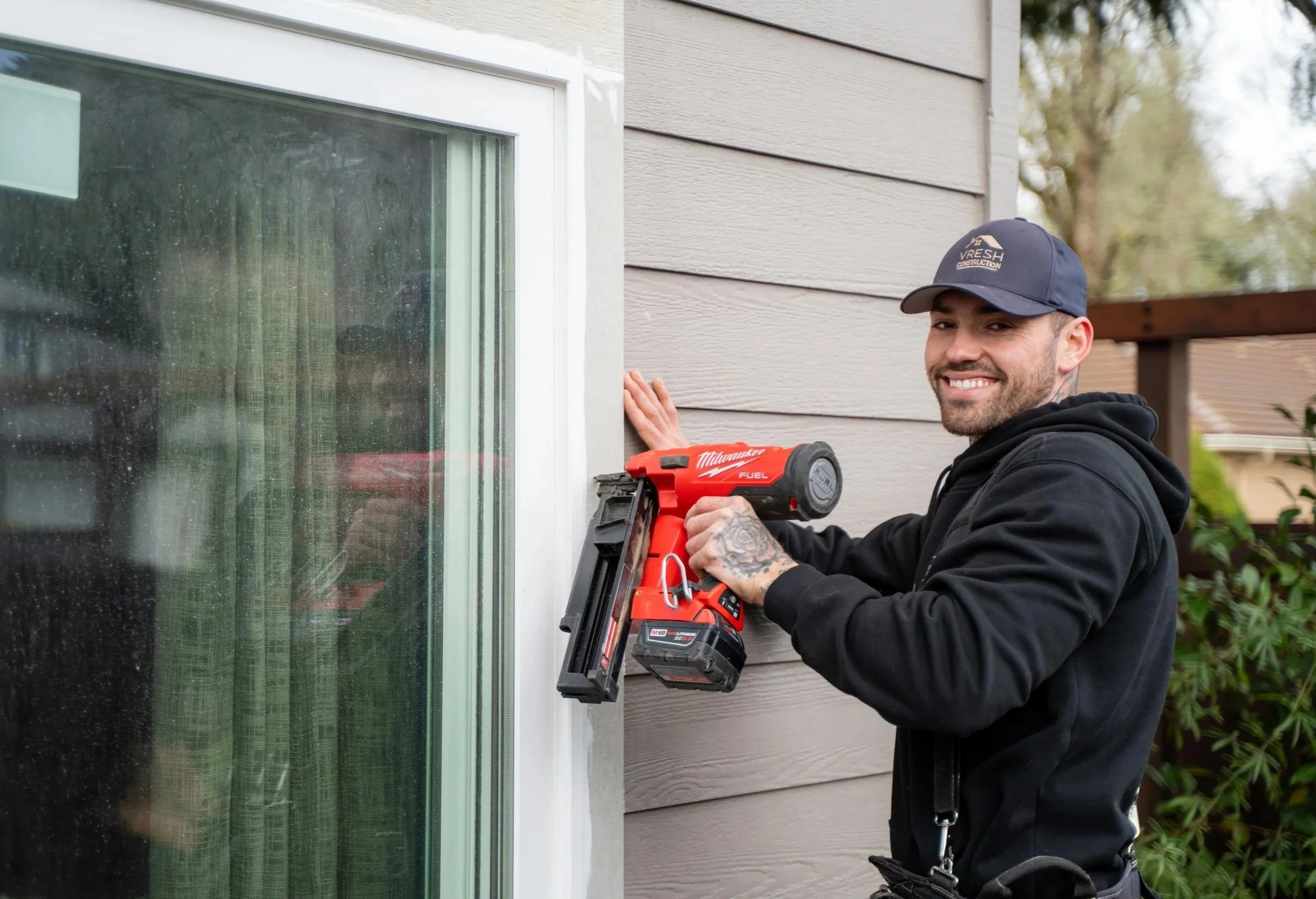
Casement Window Replacement in Portland, OR
Single-Handle Operation. Maximum Ventilation. Compression Seal Against Portland Rain. Period-Appropriate for Craftsman Homes. Licensed OR #241979.

Casement windows open fully on a crank mechanism — unlike double-hung windows, which expose only half the frame area even when fully open, a casement window exposes the entire opening to airflow. For Portland homeowners, that means better cross-ventilation during dry summers and full control from a single point of operation. VResh handles the full casement replacement: removal, rough opening inspection and repair, proper sill pan flashing, installation, and interior and exterior trim restoration.
When closed, casement windows are the most weather-tight operating windows available. The sash closes against a compression gasket on the frame from the exterior side — the locking mechanism physically forces the sash into the seal. This compression seal outperforms the sliding weatherstrips used in double-hung windows, which wear faster and allow more air and water infiltration over time. In Portland’s 7–8-month wet season, that difference is real.
Why Casement Windows Work for Portland Homes
Ventilation Performance
A casement window opens fully outward on a crank mechanism — the entire frame opening is available for airflow. A double-hung window, by comparison, exposes only half the frame opening even when fully open (top sash down, bottom sash up to the midpoint). For Portland’s warm, dry summers, a casement provides significantly better cross-ventilation from a single window than any sliding or hung window of the same size.
Weather Seal in Portland’s Wet Season
When closed, a casement sash presses against a compression gasket on the frame from the exterior side — the mechanism physically forces the sash into the seal as it locks. This compression seal outperforms the sliding weatherstrip seals used on double-hung windows, which wear faster and allow more air and water infiltration over time. In Portland’s 7–8-month wet season, a tight compression seal is a real performance advantage.
Historic Character — Right for Portland’s Craftsman and Colonial Homes
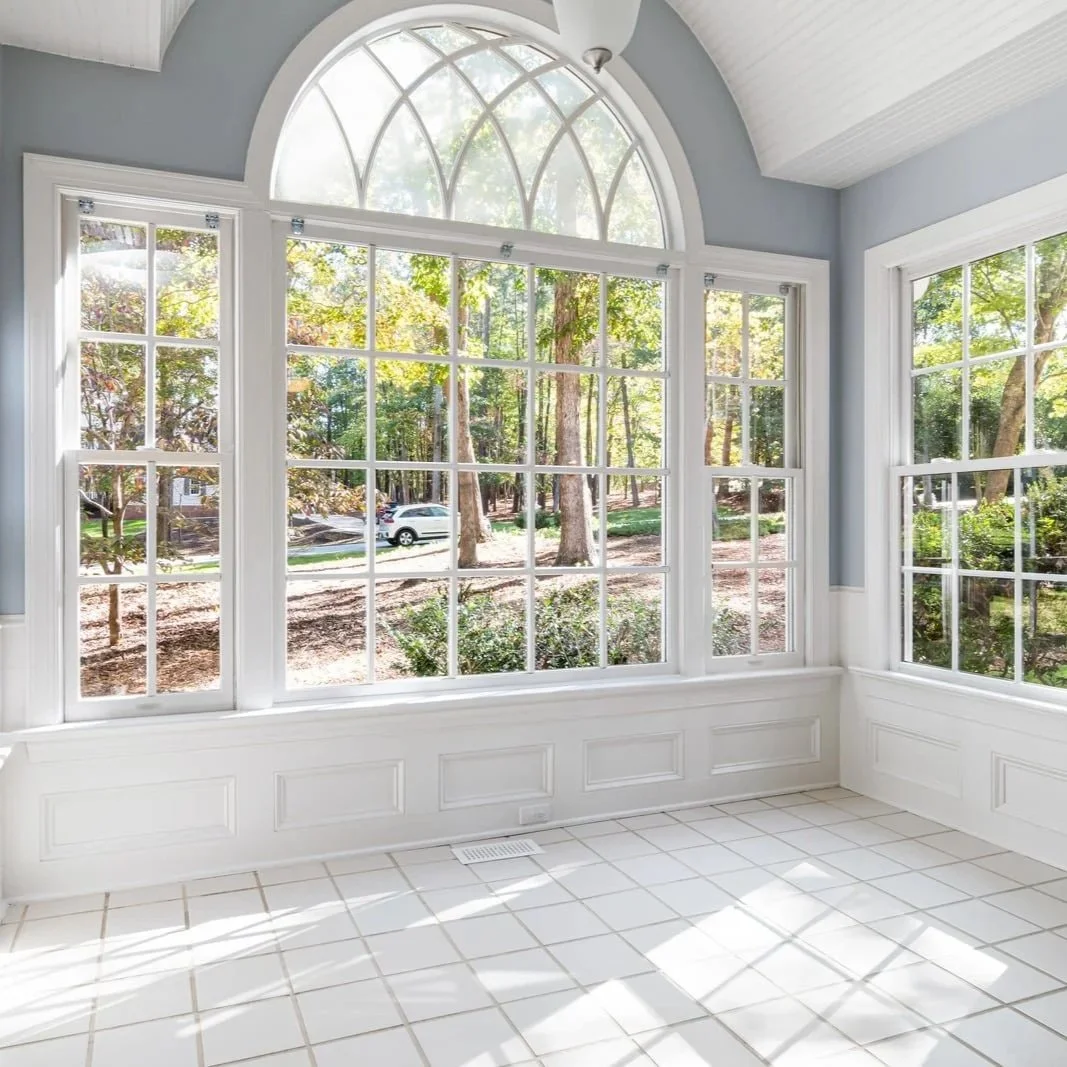
Portland’s Craftsman bungalows (1905–1940), Prairie four-squares, and colonial revival homes were frequently built with original casement windows. Replacing those windows with double-hung units changes the architectural character of the home. Period-correct casement replacements — with simulated divided light grille patterns in 4-over-1, 6-over-1, or other configurations — maintain the home’s original look. We source windows in non-standard sizes to match original rough openings.
Energy Performance
Casement windows consistently achieve better U-factors than double-hung windows of comparable construction because the compression seal prevents the air infiltration that degrades thermal performance in sliding-sash products. ENERGY STAR-certified casement windows are available across all price tiers — from entry-level vinyl to premium wood-clad. Proper air sealing during installation is equally important: we fill the gap between the window frame and rough opening with low-expansion foam on every installation.
Casement Window Configurations for Portland Homes
|
Single Casement
|
One operable sash, hinged on either the left or right side. The most common configuration — appropriate for most single-window openings. Available in a wide range of sizes. Standard in Craftsman bungalows and colonial revival homes throughout Portland. |
|
Double Casement (French Casement)
|
Two sash that meet at the center with no fixed center post — opening outward like a pair of doors. Provides an unobstructed view and maximum ventilation. Common in kitchen applications above the sink and in large living room openings. Requires both sash to open fully for egress compliance. |
|
Mulled Casements
|
Multiple casement units joined (mulled) at the frame. Produces a wide multi-unit window assembly that operates as a visual unit. Common in large picture-window openings where one or more units are fixed, and one or more are operable. Carefully mulled casements match the sightlines of adjacent units. |
|
Push-Out Casement
|
No crank handle — the sash is pushed open from the inside by hand and stays open with a friction hinge or stay arm. Traditional in appearance and popular for over-counter applications (kitchen sink windows) where a crank handle would be inconvenient. Common on original Portland Craftsman homes. |
|
Simulated Divided Light (SDL) Grille Patterns
|
Grille bars applied to the glass surface with spacers between the panes replicate the appearance of original divided-light wood casements without the maintenance of true divided lights. For Portland Craftsman homes, 4-over-1 and 6-over-1 patterns are the most historically accurate. We specify SDL grille profiles that match the sightline of the window’s frame members for a cohesive appearance. |
|
Fixed (Non-Operable) Casement
|
A fixed casement unit uses the same frame profile as an operable casement, but the sash does not open. Used to fill openings where ventilation is not needed but the casement profile is required for visual consistency. Commonly mulled alongside an operable unit to match sightlines. |
|
Awning Window (Top-Hinged)
|
An awning window is the casement’s close relative: it is hinged at the top instead of the side and swings outward from the bottom on the same crank and compression-seal hardware. Because the open sash sheds water like a small roof, an awning can stay open in light rain, which makes it a common choice above kitchen counters, in bathrooms, and stacked above or below a fixed picture window. Awnings rarely open wide enough for egress, so bedrooms usually need a casement instead. |
Casement Window Installation — What the Project Involves
Casement Windows in Portland’s Historic Homes
Matching Original Profiles
Portland’s pre-1940 housing stock frequently has original casement windows with profiles that don’t match any standard catalog product. Original wood casement frames were often deeper, with thicker sash members and specific interior casing profiles that are part of the room’s character. We work with millwork suppliers to source matching casing profiles and specify window units with frame dimensions that work within the existing rough opening without requiring drywall modification.
Simulated Divided Light — Period-Accurate Grille Patterns
Original divided-light casements used individual panes of glass separated by wood muntins. Modern replacement casements use simulated divided light (SDL) — a grille bar on the exterior glass surface, a spacer between panes, and a matching bar on the interior. When the SDL profile width matches the window’s frame sightline, the visual result is indistinguishable from true divided lights. For Portland Craftsman homes, we specify 4-over-1 and 6-over-1 grille patterns in SDL profiles that match the frame.
Non-Standard Sizing
Original Portland bungalow rough openings were built by carpenters in the field — sizes are often odd dimensions that don’t correspond to any modern catalog size. Rather than modifying the rough opening to fit a standard window, we order casement units to the actual rough opening dimension minus the required clearance. Most major casement lines — Marvin Elevate, JELD-WEN Siteline, Andersen 400 Series, Pella Lifestyle — offer non-standard sizing without a significant lead time premium.
Serving Portland Metro Area
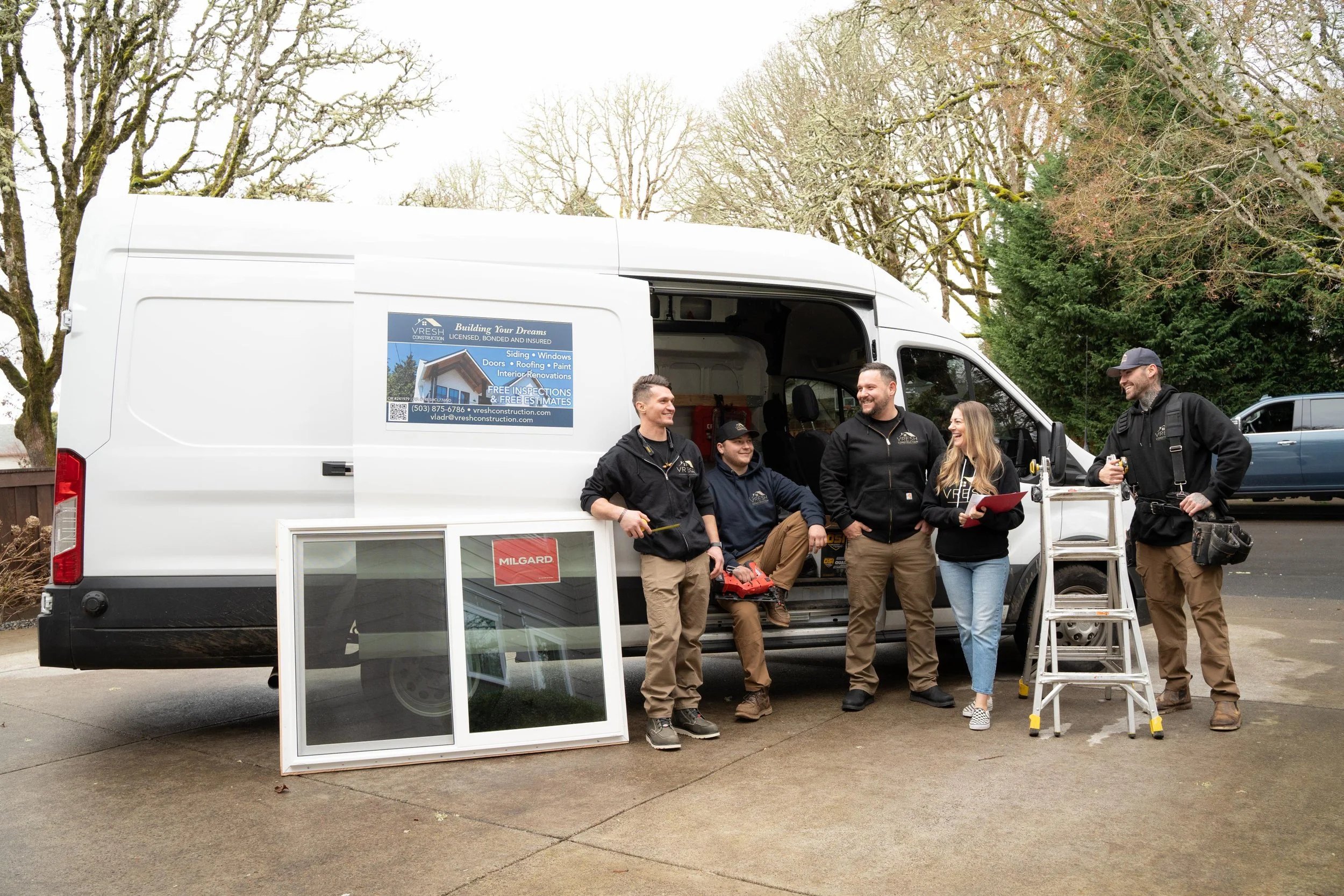
VResh Construction provides window replacement, siding installation, roofing, dry rot repair and full exterior renovation services throughout the Portland metro area and Southwest Washington.
Portland Metro — Oregon
Southwest Washington
Extended Service Areas
(503) 272-6436 — Call or Text, Available 24/7
We answer calls and texts at any hour. For storm damage, active leaks, or structural emergencies, calling directly is the fastest path to a response.
Casement Window FAQs — Portland Homeowners


Client's Talk
We have a wealth of experience working as main building contractors on all kinds of projects, big and small, from home maintenance and improvements to extensions, refurbishments and new builds.
Get a Free Window Estimate
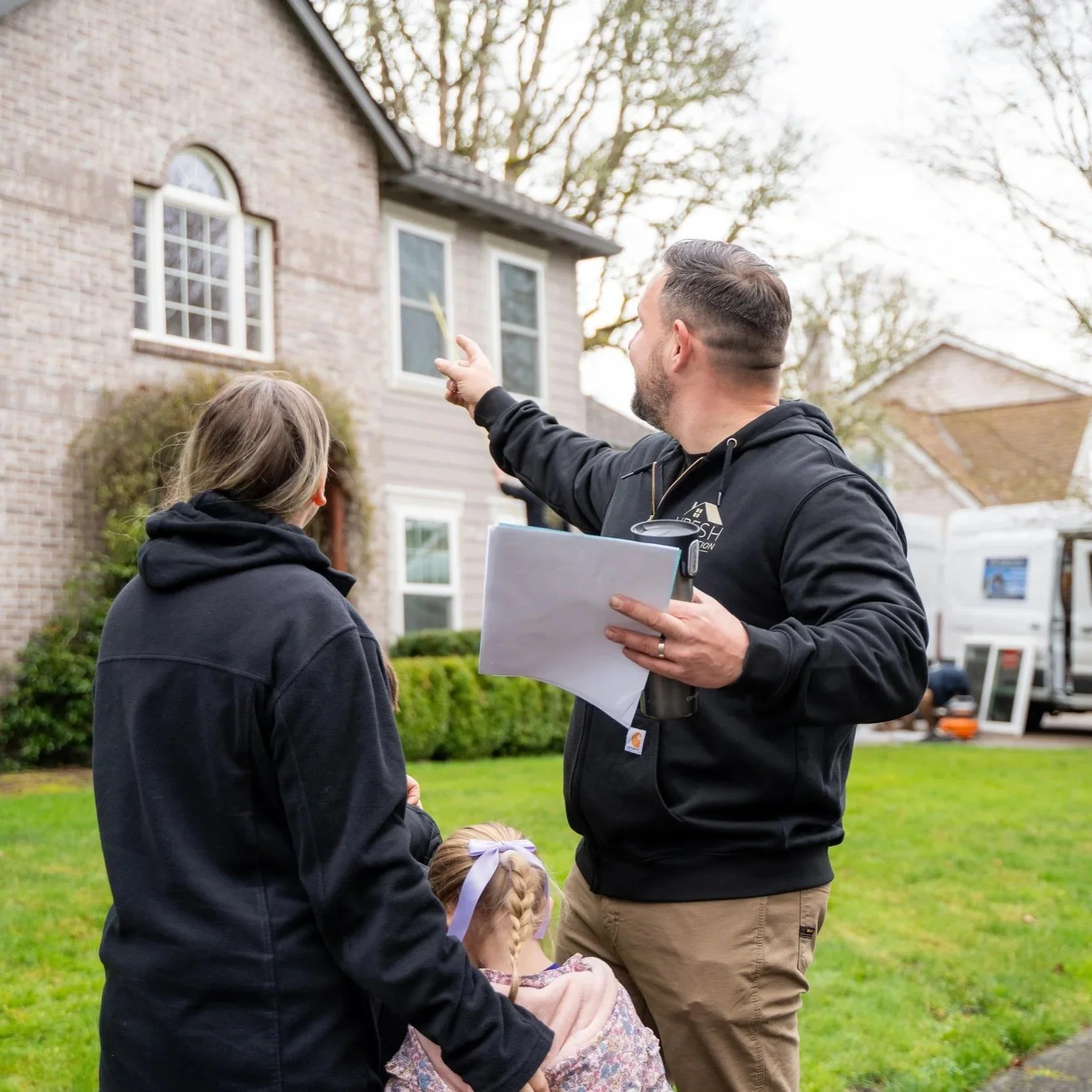
Vlad comes out, assesses every opening, and gives you a straight written quote — no sales pressure, no commitment required.
✓ Same-day response on all estimate requests
✓ No commission-based sales — just honest quotes
✓ Licensed OR #241979 · WA #VRESHCL776ND
✓ EPA Lead-Safe Certified for pre-1978 homes
✓ All major window brands available — we let you choose