
Cedar Siding in Portland, OR
Western Red Cedar Bevel, Channel, Shingle & Board & Batten. Back-Primed Before Install. Full WRB & Flashing on Every Project. Dry Rot Repair Included When Found. Licensed OR #241979.

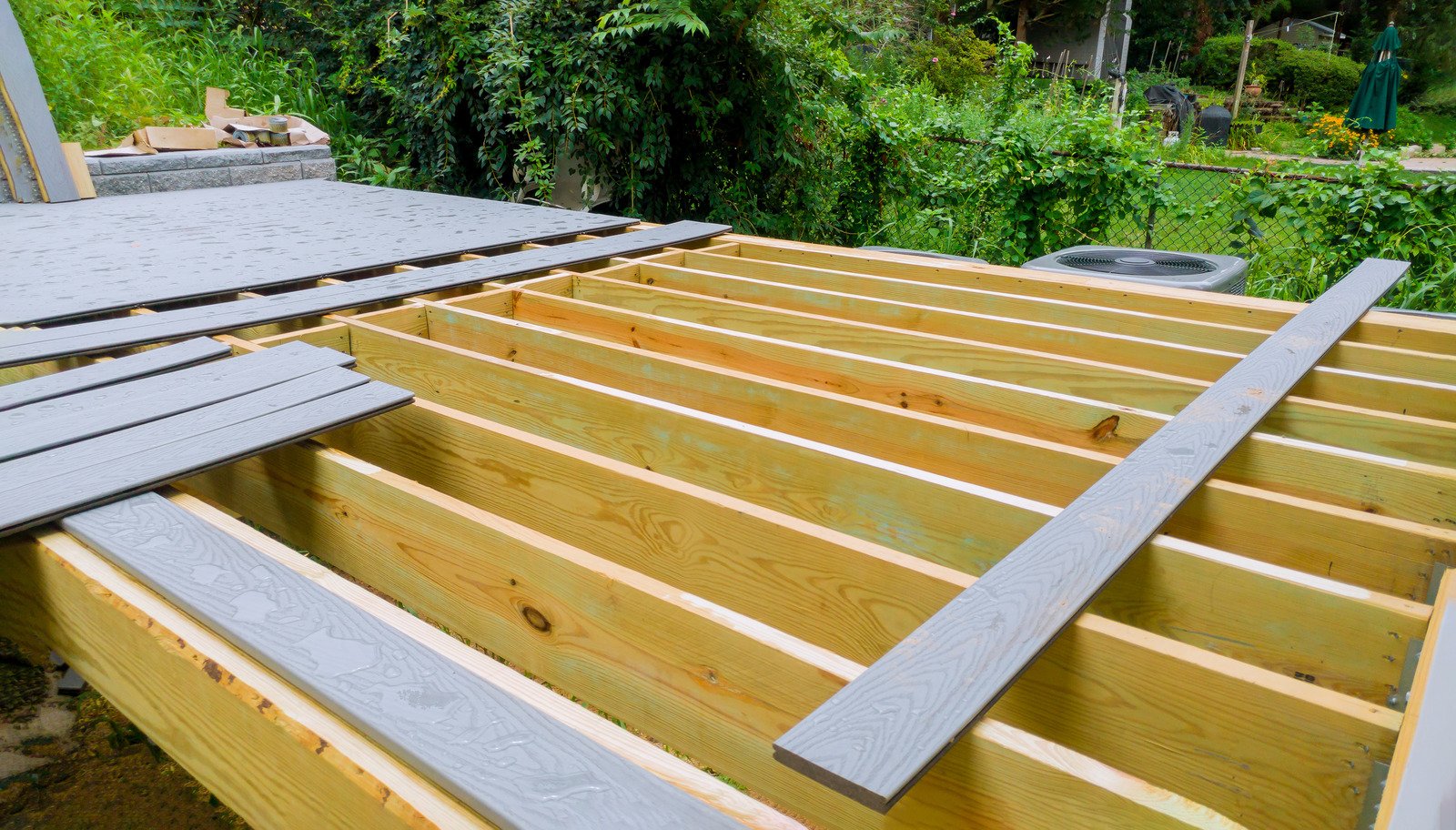
Cedar siding is the historically correct exterior cladding for Portland’s pre-1940 housing stock, and the Pacific Northwest’s abundant Western Red Cedar supply has made it a Portland siding standard for over a century. VResh handles the full cedar siding project: full tear-off to the sheathing, WRB inspection and replacement, dry rot repair where found, back-priming of all cedar before installation, correct flashing at all wall junctions and penetrations, and panel installation to manufacturer and industry specifications.
One thing we tell every homeowner considering cedar: it requires maintenance.
Cedar siding that is correctly installed, back-primed, and finished will last 30–50+ years in Portland’s climate. Cedar siding that is not maintained — paint or stain left to fail, caulk left open — deteriorates rapidly in Portland’s sustained moisture. If you are not prepared to repaint or restain regularly, vinyl or fiber cement is the more practical choice for this climate. Vlad will give you an honest comparison of all three options at the estimate visit.
Cedar Siding Profiles for Portland Homes
|
Bevel Siding (Clapboard)
|
The most common cedar siding profile in Portland. Horizontal planks tapered from thick at the bottom to thin at the top, lapped over each course below. Available in clear (no knots), A-grade (tight knots), and knotty grades. Standard lap exposure runs 4–6 inches. Bevel siding is the historically correct profile for Portland’s colonial revival and many Craftsman homes, and the most widely available cedar siding product from Pacific Northwest mills. |
|
Channel Rustic
|
Horizontal planks with a ship-lap profile — a rabbet cut on each edge that creates a small channel where adjacent planks overlap. The channel creates a distinct shadow line without the full taper of bevel siding. Channel rustic is installed with minimal overlap, giving a flatter, more contemporary appearance than bevel siding. Common on mid-century Portland homes and on remodels where a less traditional profile is preferred. |
|
Tongue & Groove (T&G)
|
Vertical or horizontal planks with a tongue on one edge and a groove on the other that interlock to form a continuous flat surface. T&G cedar is commonly used on soffit, porch ceilings, and accent wall sections. Vertical T&G cedar on exterior walls requires careful attention to bottom-course drainage and WRB integration. A premium option for specific architectural applications. |
|
Cedar Shingles & Shakes
|
Individual cedar shingles (sawn smooth on both faces) or shakes (split rough on the face) applied in staggered courses. Cedar shingle siding is the historically correct material for gable ends, dormers, and full-wall applications on Portland’s Craftsman bungalows, Queen Anne Victorians, and colonial revival homes. More labor-intensive to install than panel siding, but provides authentic period character that no other material replicates. |
|
Board & Batten
|
Wide vertical cedar boards with narrow batten strips covering the vertical joints. A traditional barn and farmhouse profile that is also widely used on contemporary Pacific Northwest homes. Cedar board and batten requires a horizontal strapping layer over the WRB to create a nailing surface and an air gap behind the boards that improves drying. The air gap is particularly important in Portland’s climate. |
Cedar Siding in Portland’s Climate — What to Know Before You Decide
Cedar Is the Historically Correct Material for Portland’s Housing Stock
Portland’s pre-1940 housing stock — Craftsman bungalows, Victorian-era Queen Annes, colonial revivals, and Prairie four-squares — was originally clad in Western Red Cedar. The Pacific Northwest’s abundant cedar supply made it the default siding material for generations of Portland builders. When original cedar siding fails and must be replaced, cedar is the architecturally correct material — it matches the profile, texture, and finish character of the original siding in ways that vinyl and fiber cement cannot fully replicate.
For Portland homeowners who value the character and authenticity of their home’s original exterior, cedar is the right material. For homeowners who want the lowest-maintenance exterior regardless of visual character, vinyl or fiber cement is more practical. Vlad will give you an honest assessment of both options at the estimate visit.
Western Red Cedar — Pacific Northwest’s Native Siding Material
Western Red Cedar (Thuja plicata) is the dominant cedar species in Pacific Northwest siding production. It is naturally rot-resistant due to thujaplicin — a natural preservative in the heartwood that inhibits fungal decay. This natural resistance is meaningful in Portland’s sustained-moisture climate: cedar heartwood outperforms virtually any other wood species in durability without treatment.
Grade matters: clear cedar (no knots) carries the full benefit of the heartwood’s natural resistance and the cleanest finish. Knotty grades are less expensive, but knots are sapwood — they lack the natural rot resistance of clear heartwood and are the points where moisture infiltration and decay begin. For Portland’s climate, clear or A-grade cedar is the appropriate specification.
Honest Assessment — Cedar Requires Maintenance
Cedar siding requires regular maintenance — typically every 7–10 years in Portland’s climate, depending on the product used, elevation exposure, and finish condition. An unpainted or unstained cedar exterior in Portland’s sustained moisture will grey, check (surface crack), and eventually develop moisture infiltration at the joint faces and cut ends.
The most common cedar siding failure in Portland is deferred maintenance — paint that has failed and has not been replaced, allowing moisture to reach the wood. If you are not prepared to maintain a painted or stained exterior on a regular cycle, vinyl or fiber cement is the more practical choice for Portland’s climate. Cedar is beautiful and authentic, but it is a material that rewards attentive ownership.
Back-Priming — The Step Most Contractors Skip
Back-priming is the application of a water-repellent primer to the back face and all four edges of each cedar board before installation. The back face of installed siding is exposed to moisture vapor from the wall assembly and cannot be repainted once installed. Without back-priming, moisture infiltrates the unfinished back face, causing the wood to cup, crack, and ultimately fail at the fastener points.
VResh back-primes all cedar siding before installation. It is a step that adds labor and material cost — and is routinely skipped by installers who compete on price. In Portland’s climate, back-priming is not optional if the cedar is expected to perform at its rated service life.
Cedar Siding Installation — What the Project Involves
Cedar Siding Maintenance in Portland — What Keeps It Performing
Paint vs. Stain — Which Finish for Portland Cedar
Paint provides a fully opaque finish that completely seals the wood surface. It offers the strongest moisture barrier and the widest color range. Paint on cedar typically lasts 7–12 years in Portland’s climate on well-prepared surfaces before repainting is required. Paint failure produces peeling and cracking — visible from the street and requiring full scrape-and-prep before recoating.
Solid stain penetrates slightly into the wood and does not form a surface film. It lasts 5–8 years and fails by fading and thinning rather than peeling — it can be recoated without stripping. Solid stain is typically preferred over paint for cedar because it does not trap moisture behind a film layer and fails more gracefully. Semi-transparent stain shows wood grain, lasts 3–5 years, and is appropriate only for newer, well-maintained cedar.
Maintenance Cycle for Portland Cedar Siding
Annual: inspect all caulk joints, check for paint or stain failure at the bottom courses and south and west-facing elevations (highest UV and rain exposure). Re-caulk any open joints before winter.
Every 5–10 years: repaint or restain the full exterior. Clean with low-pressure washing before recoating. On solid-stained cedar, restaining can typically be done without stripping. On painted cedar, any peeling areas must be scraped and spot-primed before full recoat. Deferred repainting allows moisture to reach the wood — the most common cause of cedar siding failure in Portland.
Matching Original Cedar on Historic Portland Homes
Original bevel siding from Portland’s pre-1940 housing stock was milled in dimensions and profiles that are not standard catalog sizes today. Matching original profiles — specific exposure widths, rabbet depths, and face bevel angles — requires sourcing from specialty cedar mills or custom milling.
For partial replacements on historic homes, we assess the original profile dimensions before ordering and source matching material. For full replacements, we advise on the closest available stock profile or the cost of custom milling when the visual match to the original is a priority. A visible profile mismatch on a historic Portland bungalow is a significant aesthetic problem — we address it before the material is ordered.
Dry Rot at the Bottom Course — The Most Common Cedar Failure
The bottom course of cedar siding is the most vulnerable location for moisture damage — it is closest to grade, receives splash-back from rain hitting the ground, and is the last area to dry after rain events. End cuts at the bottom course are especially vulnerable if not properly primed.
Dry rot at the bottom course is a common finding on Portland cedar siding over 20 years old. It is often localized and can be addressed with partial board replacement rather than full siding replacement. When we assess cedar siding for repair or replacement, we probe the bottom courses and inspect for concealed rot behind the siding at the sheathing level.
Serving Portland Metro Area
VResh Construction provides window replacement, siding installation, roofing, dry rot repair and full exterior renovation services throughout the Portland metro area and Southwest Washington.
Portland Metro — Oregon
Southwest Washington
Extended Service Areas
(503) 272-6436 — Call or Text, Available 24/7
We answer calls and texts at any hour. For storm damage, active leaks, or structural emergencies, calling directly is the fastest path to a response.
Cedar Siding FAQs — Portland Homeowners


Client's Talk
We have a wealth of experience working as main building contractors on all kinds of projects, big and small, from home maintenance and improvements to extensions, refurbishments and new builds.
Get a Free Andersen Window Estimate
Vlad comes out, assesses every opening, and gives you a straight written quote — no sales pressure, no commitment required.
✓ Same-day response on all estimate requests
✓ No commission-based sales — just honest quotes
✓ Licensed OR #241979 · WA #VRESHCL776ND
✓ EPA Lead-Safe Certified for pre-1978 homes
✓ All major window brands available — we let you choose