

Crown Molding in Portland, OR
Coped Inside Corners. Scribed to Your Walls. Single, Bed & Built-Up Profiles. Left Paint-Ready. Owner-Supervised. Licensed OR #241979 | WA #VRESHCL776ND.

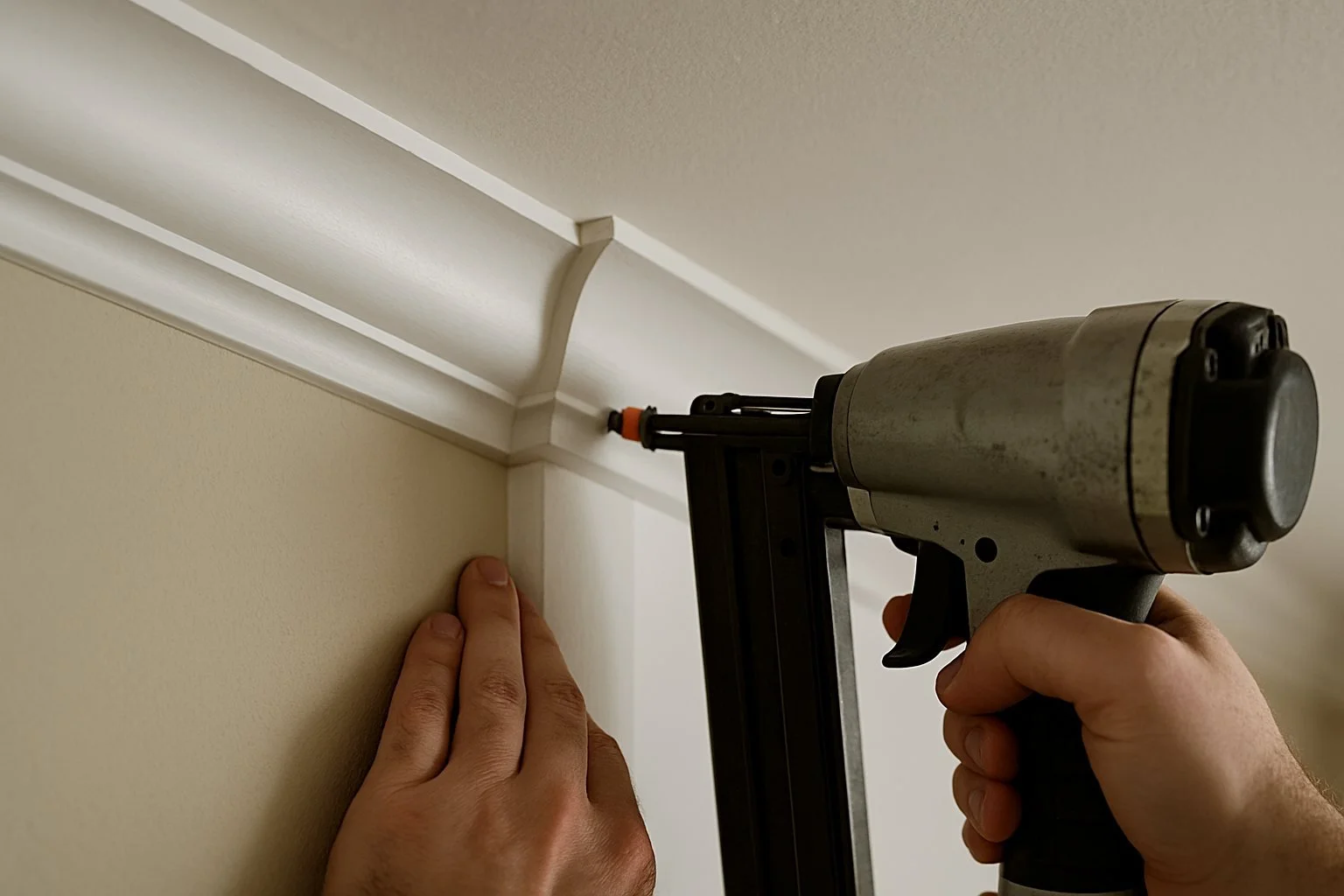
Crown molding at the ceiling-and-wall line is one of the highest-impact trim upgrades a room can get. It visually raises the ceiling, adds architectural character, and reads instantly as a sign of quality finish work. It is also unforgiving to install: the corners need accurate compound miter cuts, inside corners should be coped rather than butt-jointed, and the whole run has to be scribed to walls and ceilings that, in a Portland home, are rarely perfectly flat. VResh installs crown with the same attention to technique we bring to the rest of the house, coping inside corners and scribing to the room instead of relying on a bead of caulk to hide the gaps.
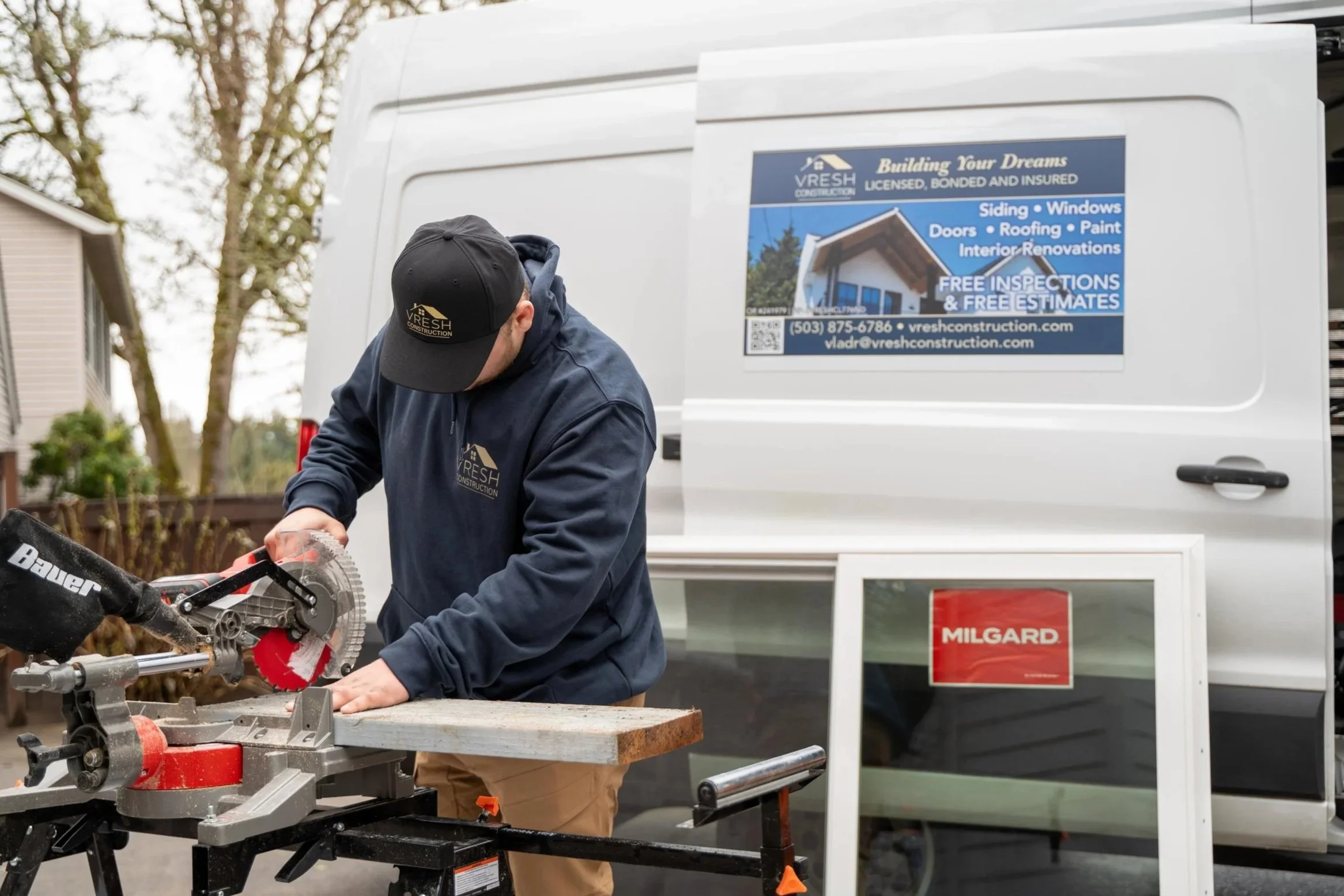
Owner-Supervised Always
Vlad is on every project, start to finish
Coped Inside Corners
Standard on every job, not butt joints that open up later
Profiles Sized to Your Room
Single, bed, or built-up to suit your ceiling and style
Profile Matching
For Portland bungalows, foursquares, and ranches
Paint-Ready Finish
Filled, sanded, and primed for your painter, or we finish it
Licensed & Insured
OR #241979 | WA #VRESHCL776ND

(503) 272-6436 — Call or Text, Available 24/7
We answer calls and texts at any hour. For storm damage, active leaks, or structural emergencies, calling directly is the fastest path to a response.
Three Ways to Run Crown: Single, Bed, and Built-Up
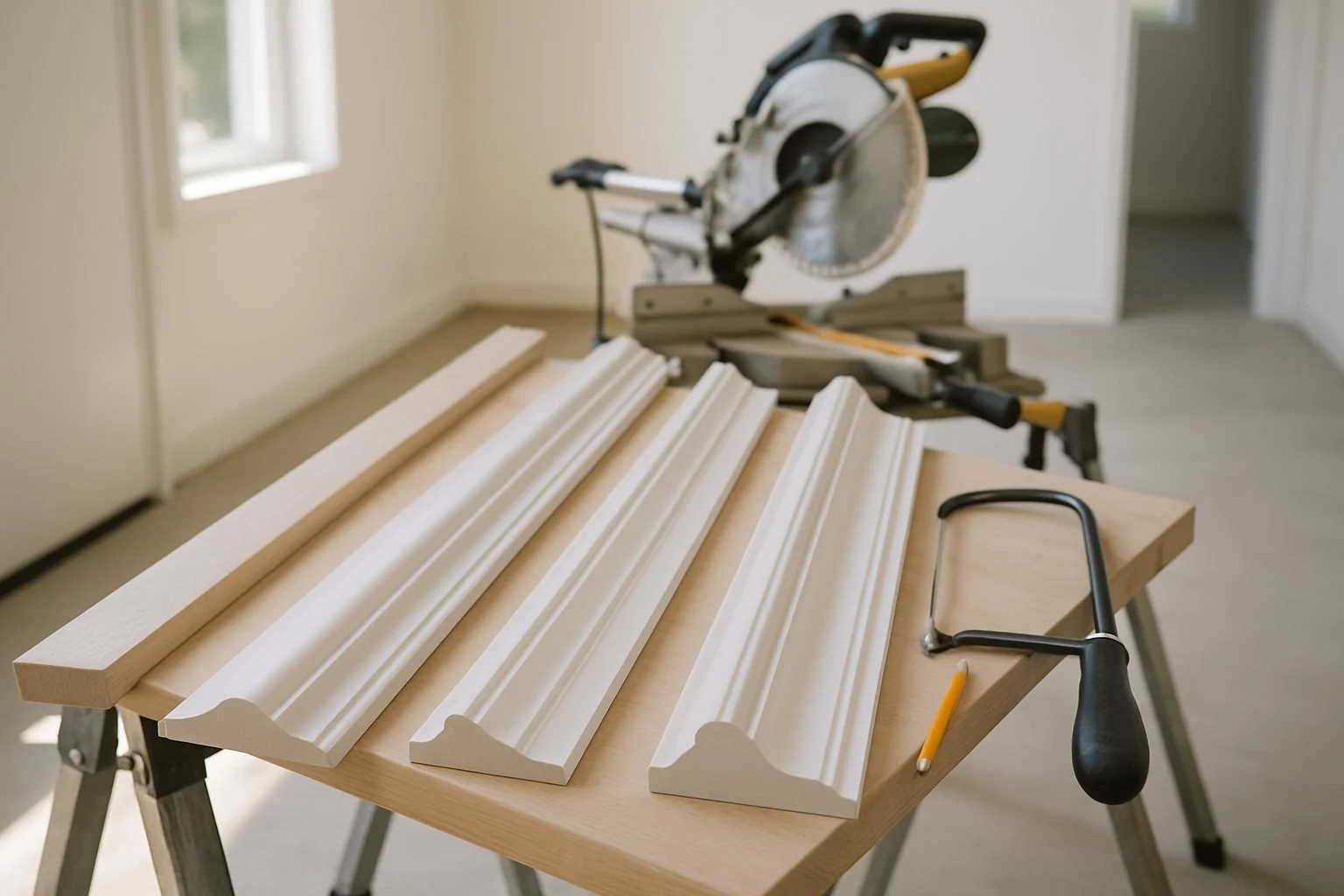
Crown is not one look. The profile you choose sets the character of the room and should be scaled to the ceiling height, so a tall formal room and a modest bedroom call for different treatments. These are the three approaches we install.
Single-Profile Crown
One piece of crown molding run at the ceiling line. It is the classic, clean, cost-effective choice and the right fit for standard-height ceilings and most bedrooms and hallways. It gives the finished look without overwhelming the room.
Bed Molding
A smaller, tighter profile than a full crown. Bed molding adds a subtle, refined detail where a large crown would feel heavy, and it suits smaller rooms and lower ceilings or a more understated style.
Built-Up Crown Assemblies
Multiple profiles combined into one larger, more substantial molding. Built-up crown is how you get an architectural, formal presence in tall rooms, dining rooms, and historic homes, and it lets us match the scale of the space and the character of the house rather than settling for an off-the-shelf single piece.
MDF or Solid Wood?
Most painted crown in Portland homes is MDF, which machines cleanly, holds paint well, and stays stable without twisting or cupping, though its edges are vulnerable to moisture. Solid wood, such as poplar, oak, or Douglas fir, is the choice for stain-grade crown where you want natural grain, and for humid rooms where MDF is not ideal. We help you pick the material to match the finish and the room.
Where Crown Molding Makes the Biggest Difference
Crown earns its keep in the rooms you spend time in and want to feel finished. Living rooms and dining rooms get the most impact, since crown frames the ceiling and adds the formal, high-quality feel those rooms are meant to have. Primary bedrooms and entryways are close behind. Crown also ties kitchen upper cabinets to the ceiling for a built-in, custom look, and it works on vaulted and high ceilings, where it takes compound miter cuts calculated for the specific ceiling angle. You do not have to do the whole house at once; many homeowners start with the main living spaces and add rooms over time.
Crown Molding in Older Portland Homes
Portland's bungalows, foursquares, and ranches are full of character and short on straight lines. Ceilings wave, corners are out of square, and walls have settled over a century, which is exactly where a rushed crown job shows gaps. We handle it the way finish carpenters should: we scribe the molding to the actual surfaces and add blocking behind it for a solid, gap-free fit, rather than covering the difference with caulk. For additions and repairs, we match existing and historic profiles, sourcing period bungalow profiles from the 1910s through 1930s through millwork suppliers and architectural salvage, and we tell you the closest available option before ordering if an exact match cannot be found. In pre-1978 homes, removing or cutting old painted trim can disturb lead paint, so we follow EPA Lead-Safe protocols, which most trim installers are not certified to do.
How a Crown Molding Project Works
Crown is measured, cut, and fit to your specific room. Here is what the process looks like from the first call to the finished ceiling line.
What's Included in a Crown Molding Project
Every crown molding project with VResh includes the items below. Add-ons and optional work are noted so there are no surprises on the estimate. For a damaged section of existing crown, a localized repair and refinish is often practical. When crown is extensively damaged, warped, or dated, full replacement is usually the better long-term result, and we will tell you which makes sense.
What Crown Molding Costs in Portland
VResh installs crown molding for about $6 to $14 per linear foot, depending on the profile size and how complex the ceiling is. A full-room trim package that combines crown with base and door casings for a typical Portland living room usually runs $1,200 to $3,500. Because every room has different runs, corners, and ceiling conditions, we price each project after measuring.
What Drives the Price
- Profile size and build: a single profile costs less per foot than a built-up assembly
- Ceiling complexity: high, vaulted, or wavy ceilings take more layout and cutting
- Material and finish: MDF paint-grade versus stain-grade solid wood
- Historic profile matching or custom sourcing
- Whether we leave it paint-ready or apply the finish coat
- EPA Lead-Safe containment in pre-1978 homes
What moves the price within that range: You will get a written, itemized estimate before any work begins, with no verbal numbers and no pressure. To price your rooms, request a free estimate or call or text (503) 272-6436.
Living With Your Crown Molding
Crown is about as low-maintenance as trim gets, and a properly installed run stays looking good for decades.
Dust it like any trim, with a soft cloth or a duster; a slightly damp cloth handles the occasional mark on painted crown.
Over many years, houses move, and a caulk line at the ceiling can hairline. A thin bead of fresh caulk and a touch-up of paint makes it disappear.
Keep a little of the finish paint or stain for touch-ups after knocks or repairs; we can note the color used on your project.
Because we cope the corners and scribe to the room, the joints are built to stay tight rather than open up, so there is very little upkeep beyond the occasional dusting.
The Details That Make Crown Look Built-In
Coped Corners, Not Butt Joints
This is where crown either looks built-in or looks added-on. We cope the inside corners so one piece is cut to nest against the profile of the next, which stays tight as the house moves through the seasons. Butt-jointed inside corners open up and need constant recaulking. Outside corners get accurate compound miters, long walls are joined with scarf cuts, and the whole run is nailed into framing and blocking, then filled, sanded, and primed to a paint-ready finish.


What Portland Homeowners Say
VResh Construction has completed more than 500 projects across the Portland metro with a 5.0 rating on Google. The reviews below are pulled live from our Google Business Profile, so what you see is current and unfiltered.

Serving Portland Metro Area
VResh Construction provides window replacement, siding installation, roofing, dry rot repair and full exterior renovation services throughout the Portland metro area and Southwest Washington.