
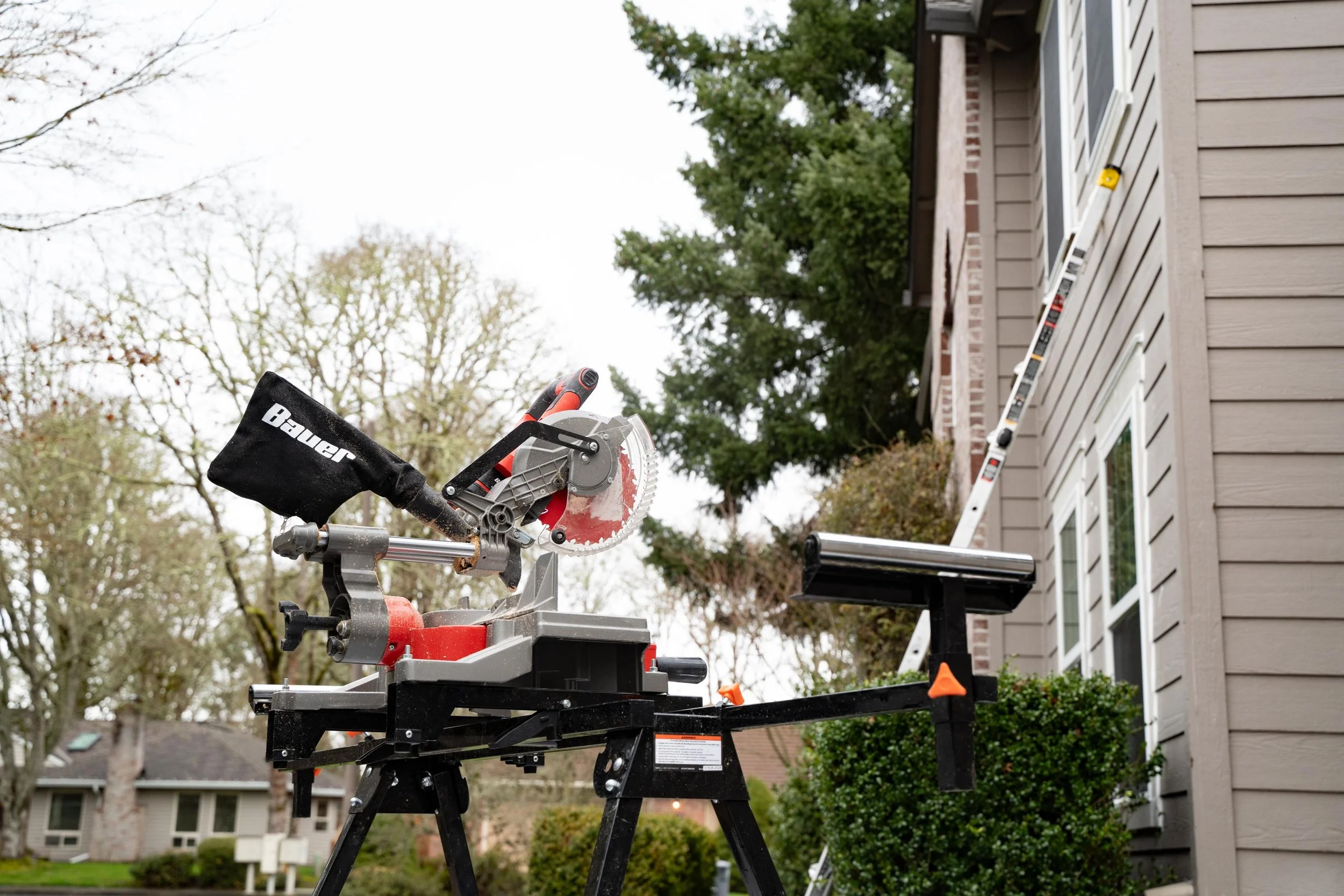
Sliding Door Replacement in Gresham, OR


On the night of January 13, 2024, as the wind came down the Columbia River Gorge, gusts across Multnomah and Clackamas counties were measured at 40 to 55 miles an hour, and the state's emergency management office wrote afterward that "the tree and powerline damage that occurred is reflective of 60-75 mph winds." Ice followed, "up to 2 inches locally ... around Gresham and Troutdale," the city declared an emergency on the 16th, and local television was still reporting Gresham families without power on the eighth day. An east-facing patio door spent that week as the coldest, loudest and leakiest thing in the house. That is the door this page is about: not the door as a product, which the main sliding door page covers, but the door on the wall the wind hits, in the city whose own plan says which wall that is.
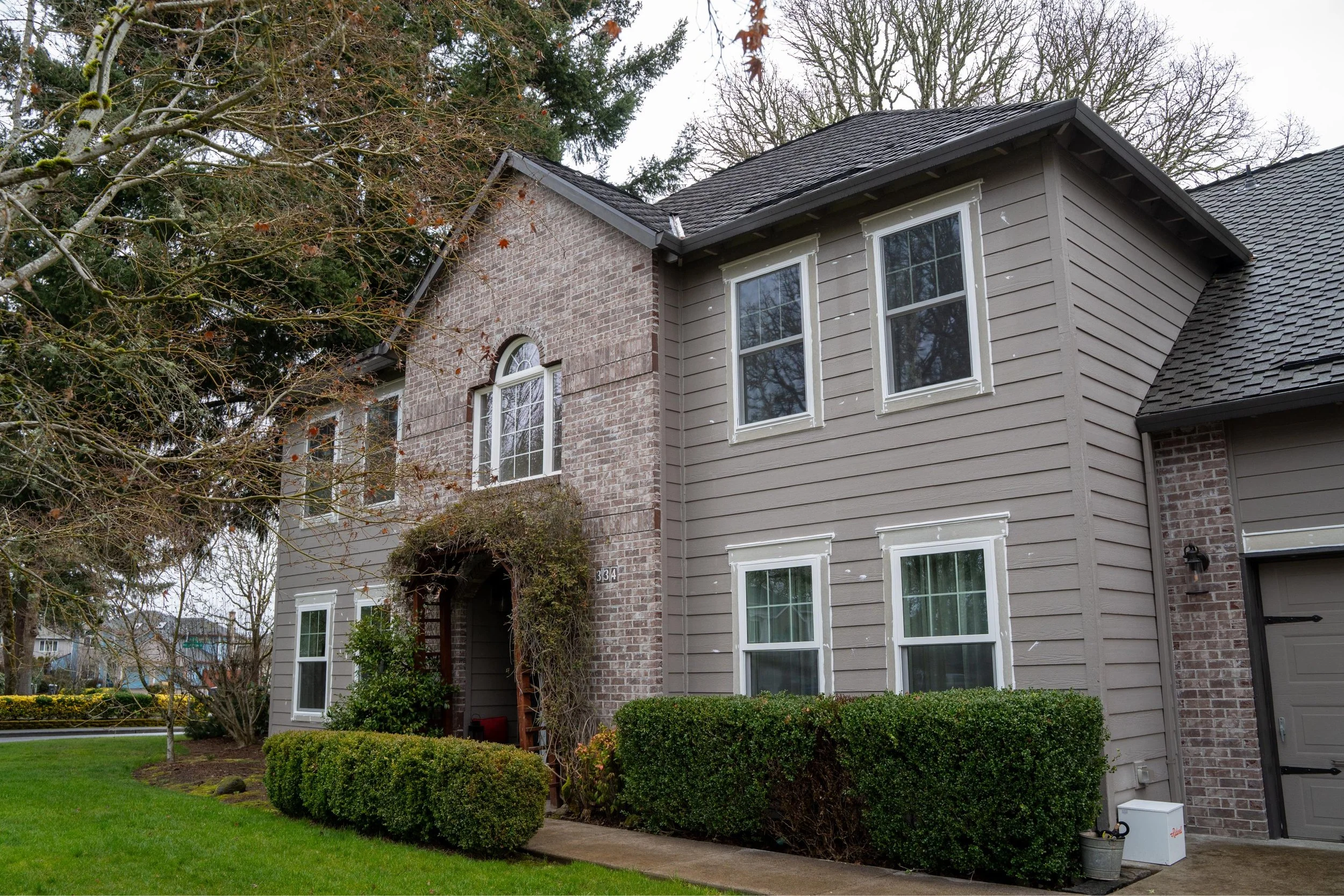
Southeasterly in fall and winter
Gresham's comprehensive plan has a climate section, and it is unusually plain about wind. "Airflow is usually northwesterly during the spring and summer and southeasterly in fall and winter," it says, and "outbreaks of dry continental air move frequently through the Columbia River gorge at all times of the year, resulting in either extremely cold or hot temperatures." It goes further than description: the plan recommends that "windbreaks or buffers be aligned so as to protect from the prevailing winter winds from the east southeast." The National Weather Service named the same corridor in a recent advisory; local coverage of the January 2026 wind advisory put the strongest gusts along the Interstate 84 corridor, through Troutdale, Fairview and Gresham.
So, on a Gresham house, the first question about a new patio door is which way the door faces. A slider on the west or south wall, in the lee of the house, lives an ordinary Willamette Valley life: about 47 inches of rain a year at the Troutdale airport gauge, and the sill pan and head flashing the parent page describes are the whole story. A slider on the east or southeast wall of a house north of Stark Street or out toward Troutdale is the wall the winter wind loads. The wind drives rain up under the interlock and into the track, presses cold air past the weatherstrip, and, when the ice comes, fills the sill track. For that door, VResh looks at three things that do not matter as much elsewhere: the depth of the sill dam and the size and number of its weep holes, so the track drains faster than an east wind can fill it; the interlock between the panels, which is where a slider's air seal is made or lost; and the panel's stiffness at 8 feet, since a long, thin panel bows under a steady wind and a bowed panel is a gap.
Gresham has not written any of this into its building code, and the difference shows up at the city line. Its neighbor, Troutdale, according to the county's hazard plan, "was granted a local building code exception by the State of Oregon to increase wind loading requirements in new residential, commercial and industrial development." Gresham has no such amendment. The same air crosses the city line, but on the Gresham side there is no local uplift above the state's wind loads, so the state minimum is the floor and anything above it is the homeowner's choice and the contractor's recommendation. VResh recommends the higher-rated frame on an east wall and notes this on the estimate, with the manufacturer's rating listed.
The house built in 1982
The median Gresham home was built in 1982. That single number holds most of what a patio door replacement here involves. Roughly four in ten of the city's homes were built in the 1970s and 1980s, the decades when the city's population went from about 10,000 to 68,000, and the tract builders who put up Rockwood, Centennial, Powell Valley and the early Pleasant Valley subdivisions hung aluminum two-panel sliders on the back of house after house. Those doors are 37 to 56 years old. Their rollers are gone, their tracks are worn into grooves, their glass is single or first-generation double pane in a metal frame that conducts cold straight through, and their hook latches no longer reach.
Two rules attach to that door before anything else. The older half of that stock predates 1978, and on those houses, the painted trim around the old frame is handled under the federal lead-safe rules described on the parent page. And because Oregon's energy chapter says "sliding glass doors and swinging glass doors shall meet the specifications for windows," the replacement is held to the window number, and which window number is the question: the existing-building table sets glazed doors at U-0.30, while the figure the state applies to a new window is 0.27, so the Building Division confirms which line governs before the door is ordered; Gresham's exempt-projects page says the same thing in its own words, that exempt work "must still comply with all applicable construction and zoning codes."
Newer Gresham is different. In Pleasant Valley and Springwater, the city's design code requires that "windows and/or doors ... utilizing clear glass ... shall occupy a minimum of 17 percent of the total street-facing facade area," and a similar share on the south facade with "exterior, architectural sunshades or eaves" over south glass. Those rules govern new construction, and they explain why a 2010s house there has a large south-facing slider under an eave: the glass was part of a designed solar package, and the replacement should retain the same glass area and shading.
Ice on the track
The January 2024 storm is the case for the second half of a Gresham door specification. A slider is the largest glass unit in the house, and in an outage it is the surface that loses heat fastest. On a metal-frame original, frost forms on the inside of the frame; on an east wall, the sill track fills and freezes, and a frozen track is a door that does not open, which on a house where that door is a bedroom's second exit is a life-safety problem. The parts of a new door that matter in that week are the ones a showroom does not show: a thermally broken or non-conductive frame, a warm-edge spacer in the glass unit so the inside edge of the glass stays above the dew point, and a sill designed to drain. Those three go on the specification for a Gresham slider, and on an east or southeast wall, so does the higher design pressure rating discussed above.
No permit, and no rebate
Replacing a patio door in the same opening needs no permit in Gresham. The city's list of projects that do not require a permit includes "door and window replacements (where no structural member is changed)," and its list of projects that do includes "cutting a new window or door opening, or widening existing openings" and "building a deck more than 30 inches above grade." Widening the opening for an 8-foot or multi-slide door is permitted work with a header on the plans; Gresham does not require an engineer for a single-family alteration, and the plans examiner reviews the header shown on the drawing.
There is no incentive to apply for. As of January 1, 2026, Energy Trust's window and glass door incentive is a Washington program for NW Natural gas customers; the Oregon version was discontinued that day, and Gresham, a PGE and NW Natural city, is on the wrong side of the river for it. The door is chosen based on its U-factor, its frame, its rating, and the wall it faces.

Serving Portland Metro Area
VResh Construction provides window replacement, siding installation, roofing, dry rot repair and full exterior renovation services throughout the Portland metro area and Southwest Washington.
Portland Metro — Oregon
Southwest Washington
Extended Service Areas
(503) 272-6436 — Call or Text, Available 24/7
We answer calls and texts at any hour. For storm damage, active leaks, or structural emergencies, calling directly is the fastest path to a response.
Sliding door questions from Gresham, OR


Client's Talk
We have a wealth of experience working as main building contractors on all kinds of projects, big and small, from home maintenance and improvements to extensions, refurbishments and new builds.
The wall decides the door
In Gresham, a patio door is specified by the wall it sits in, and the city's own plan says which wall faces the wind. Start there, and the rest of the specification follows. Call or text (503) 272-6436.