Exterior Door Repair in Oregon City, OR
Drafty and Dragging Doors Put Right. Storm and Screen Doors to HRB Policy #9. Designation Settled Before the Quote. Clear Pricing on Paper.
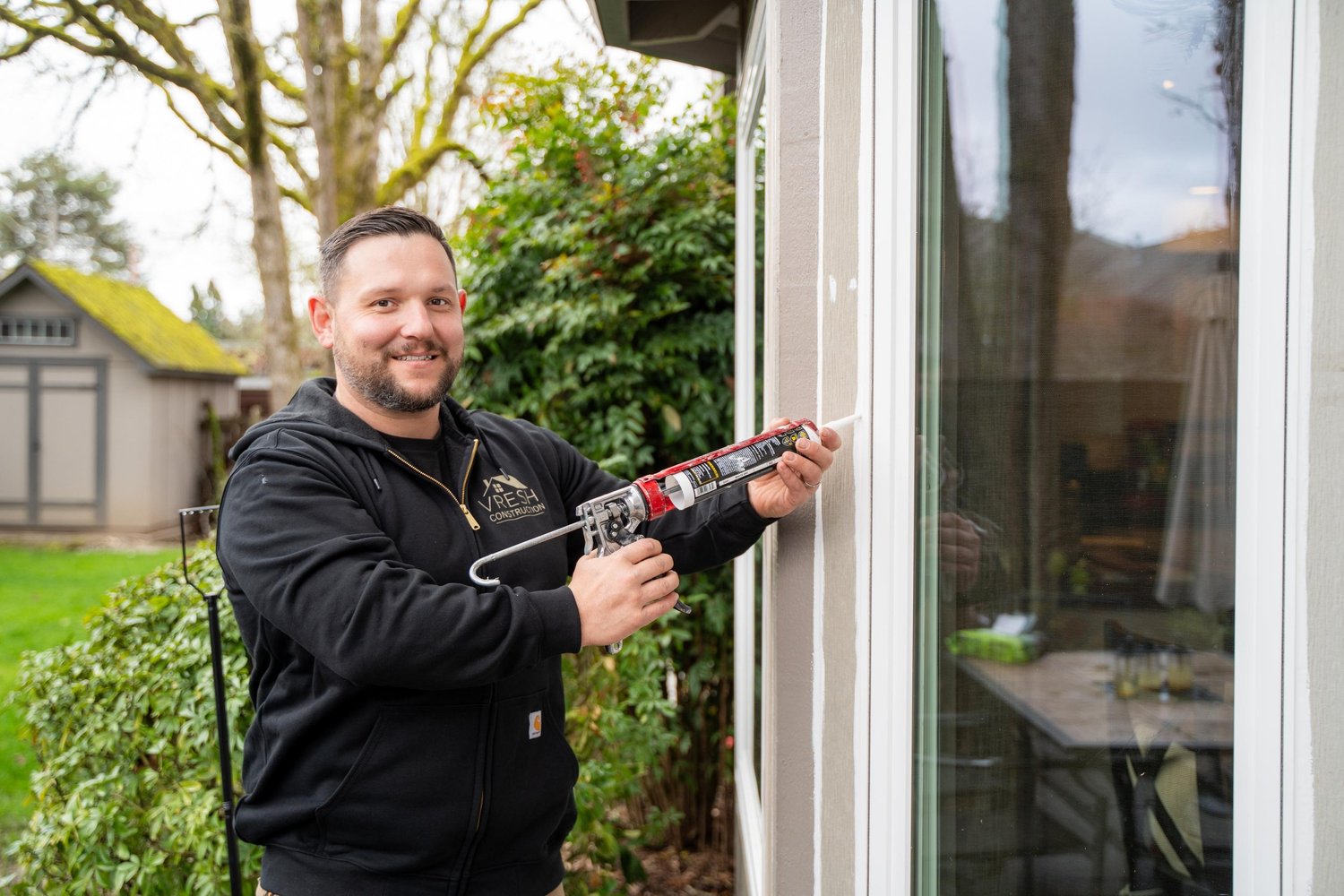
On a locally designated Oregon City house, a front door repair can include the storm or screen door, and the city's Historic Review Board has a written policy for that door. Policy #9 sets what a replacement storm or screen door may be made of, how it is finished, and how much of the main door it may hide.
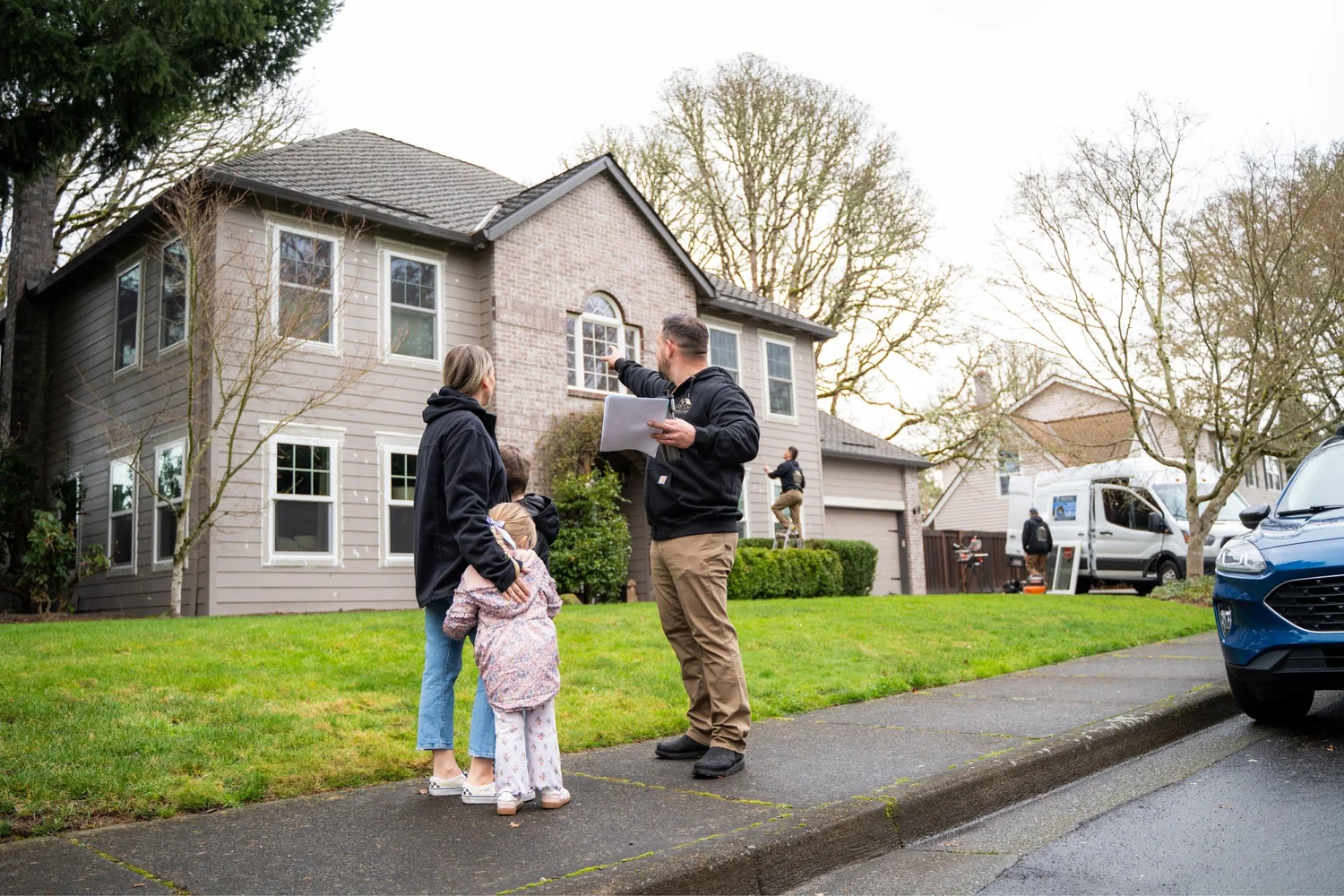
Vlad looks over the hang of the door, the drafts and the lock, and commits a price to paper before anyone picks up a tool. On a designated house, he checks any storm or screen door item against the Board's written policy.
(503) 272-6436 — Call or Text, Available 24/7
We answer calls and texts at any hour. For storm damage, active leaks, or structural emergencies, calling directly is the fastest path to a response.
Common Exterior Door Problems We Fix in Oregon City
01. A Storm Door That Has Given Out
A dead closer or a twisted aluminum frame leaves a storm door banging in the wind, and a new closer keeps the existing unit in service. When the whole storm door has to go on a locally designated house, the Board's policy covers its successor: the Board prefers wood, and a metal unit has to arrive prefinished or be painted to match the main door or its trim.
02. A Screen Door That Covers Up the Entry
Some older screen doors carry heavy grilles, scrollwork, or fake grids that hide the paneled door behind them. When that screen door wears out on a designated house, the policy bars a successor that obscures the primary door design or adds decorative details or simulated muntins. A plain, open frame complies with the policy and keeps the original door visible from the street.
03. Soft Wood at the Base of an Original Door Frame
Water held at the sill rots the foot of the casing first, and the usual fix is a Dutchman of matching wood let into the damaged section. A Dutchman keeps the original casing on the house. On a designated house, the estimate names the wood and profile the Dutchman will match.
04. A Door That Drags, Drafts or Will Not Lock
These calls usually come down to a sunken top hinge, crushed weatherstrip, and a threadbare sweep. In a historic district, the code does not count repairs and maintenance as alterations, so new seals, a reset hinge, and a moved keeper plate fall under that maintenance exception. For a landmark or a house in the McLoughlin Conservation District, the code's definition of alteration includes repair, and Planning decides how it applies, which is why the house's designation comes up at the first visit.
Exterior Door Symptoms, Causes, and What Oregon City's Rules Mean
Storm door slams or will not catch
A worn-out closer or a bent aluminum frame
A new closer keeps the existing unit, and a new storm door for a designated house follows Policy #9 on materials and finishes.
Screen door hides the paneled entry
Grilles or ornamental inserts added years ago
The Board's policies bind to locally designated properties, so for other houses, Policy #9 does not set the screen door style.
Punky wood at the foot of the casing
Rainwater sitting on the sill
On a designated house, the Dutchman's wood and profile go on the estimate so the repair can be compared with the original.
A sliver of daylight at the lock stile
A sunken slab and crushed weatherstrip
New weatherstrip in the existing profile keeps the door's look on a designated house.
Original door panels split or loose
Decades of seasonal swelling and shrinking
Restoring a historic feature can fit the Board's renovation grant.
The bolt binds and needs the door lifted
A sunken slab has carried the bolt off its keeper
Moving the keeper plate leaves the exterior design untouched.
Exterior Door Repair in Oregon City: What the Project Involves
Historic Review Board Policy #9 and Door Repair in Oregon City
What Policy #9 Asks of a Storm or Screen Door
The Board's guide states that "Locally designated properties are subject to HRB Policies." Policy #9 reads: "Wood storm and screen doors are preferred. If aluminum or other metal storm/screen doors are used, they shall be prefinished or painted a color to match the door or trim." A wood storm door therefore leads the estimate on a designated house, and a metal one is ordered in, or painted to, a color that matches the door or its trim.
Landmarks, Districts, and Who Reads the Code
Oregon City's zoning code defines alteration this way: "'Alteration' means the addition to, removal of or from, or physical modification or repair of, any exterior part or portion of a landmark or structures in an historic or conservation district. In an historic district, any physical change shall be considered a form of alteration and shall be treated as such, except repair and maintenance or change of copy."
The repair-and-maintenance exception names historic districts only. It does not mention conservation districts such as McLoughlin or landmarks outside a district, so on those houses a repair can count as an alteration. Oregon City Planning decides how the definition applies to a particular house.
The Board's Grant and Door Restoration
The Historic Review Board runs a renovation grant that "makes funds available to property owners of Locally Designated historic buildings desiring to make exterior rehabilitation or renovation improvements." The application states that "Projects that are restoring or renovating important historic features on the exterior of the historic resource are eligible." Rebuilding loose rails, regluing raised panels, and reproducing lost hardware on an original door are items that the wording can reach.
When Repair Beats Replacement in Oregon City, and When It Does Not
Repair Is Usually the Right Call When
An original paneled slab that is still sound, hung in a plumb opening, with faults limited to a sunken hinge, worn seals, a misplaced keeper, a tired storm door, or decay held to the foot of the casing, is a candidate for repair. For a designated house, repair keeps the original door in place, and restoration fits the work the Board's grant identifies as eligible.
Replacement Is Usually the Better Value When
Splitting that runs clear through the slab, a frame decayed along most of its height, or a soggy subfloor at the sill tips the decision toward a new door. On a designated house, a new main door is a visible change that the city reviews under the HRB policies, so Vlad lists that review step on the estimate.


Client's Talk
Serving Portland Metro Area
VResh Construction repairs and replaces entry, back, side, patio, and sliding doors, as well as windows and addresses dry rot, throughout the Portland metro area and Southwest Washington.
Portland Metro — Oregon
- Portland, OR
- Oak Grove, OR
- Cedar Mill, OR
- King City, OR
- Happy Valley, OR
- Clackamas, OR
- Milwaukie, OR
- Gresham, OR
- Wood Village, OR
- Scappoose, OR
- Sandy, OR
- Newberg, OR
- Estacada, OR
- Lake Oswego, OR
- Beaverton, OR
- Hillsboro, OR
- Tigard, OR
- Sherwood, OR
- West Linn, OR
- Oregon City, OR
Southwest Washington
Extended Service Areas
Exterior Door Repair FAQs for Oregon City Homeowners
Which Oregon City houses do the Board's door policies cover?
The Board's guide lists "designated structures in McLoughlin Conservation District, all structures in Canemah National Register District, and landmarks outside of districts." Within McLoughlin, that wording covers designated structures, and Planning can confirm an address.
If my new storm door meets Policy #9, do I still go before the Board?
The city's policy page states that projects that meet HRB policies can receive administrative staff approval without requesting Board approval. A storm door that does not meet them goes to a Type III review by the Historic Review Board.
Do the policies apply to the main door too, or only to storm doors?
The guide describes the policies as clear direction on "exterior changes including but not limited to roofing, siding, windows and doors." Policy #9 is the one policy written specifically for storm and screen doors.
My screen door is a copy of the one in an old photo of the house. Can it have trim?
Policy #9's last sentence begins "Unless replicating an historic storm/screen door" before it bars decorative details and grids. A documented replica of the house's historic screen door can retain the details the original had.
Will the city grant pay for new weatherstrip and hinge work?
The application states: "Projects considered maintenance work, such as reroofing or repainting a historic resource, are ineligible for the grant program." Hinge, seal, and sweep work reads as maintenance under that wording, so Vlad prices it on its own line.
Can I do the door work myself, or buy the parts first, and apply afterward?
The application says "grant money cannot be paid for DIY repair," and "Grants are not awarded for materials already purchased, or for work already in progress or completed." Labor by the owner and parts bought ahead both fall outside the program.
Who receives the grant money, and does it come with conditions?
The application says the city pays grant funds to the owner once the project is complete. It also requires that "Any property receiving a grant must remain locally designated for at least five full years following completion of the project."
We are fitting storm windows beside the door at the same time. Is there a rule for those?
The Board has a separate policy for storm windows: "Storm window frames and members shall be made of wood, baked enamel, or anodized aluminum." The same policy states that "Mill finish aluminum storm windows are not permitted."
Get a Free Door Estimate
Phone or text VResh to set a time for a look at the door. For a designated Oregon City house, the estimate compares any storm or screen door against the Board's storm door policy and keeps restoration items separate from maintenance.
- Same-day response on all estimate requests
- No commission-based sales, just honest quotes
- Licensed OR #241979 · WA #VRESHCL776ND
- EPA Lead-Safe Certified for pre-1978 homes
- Written workmanship warranty on our repairs