
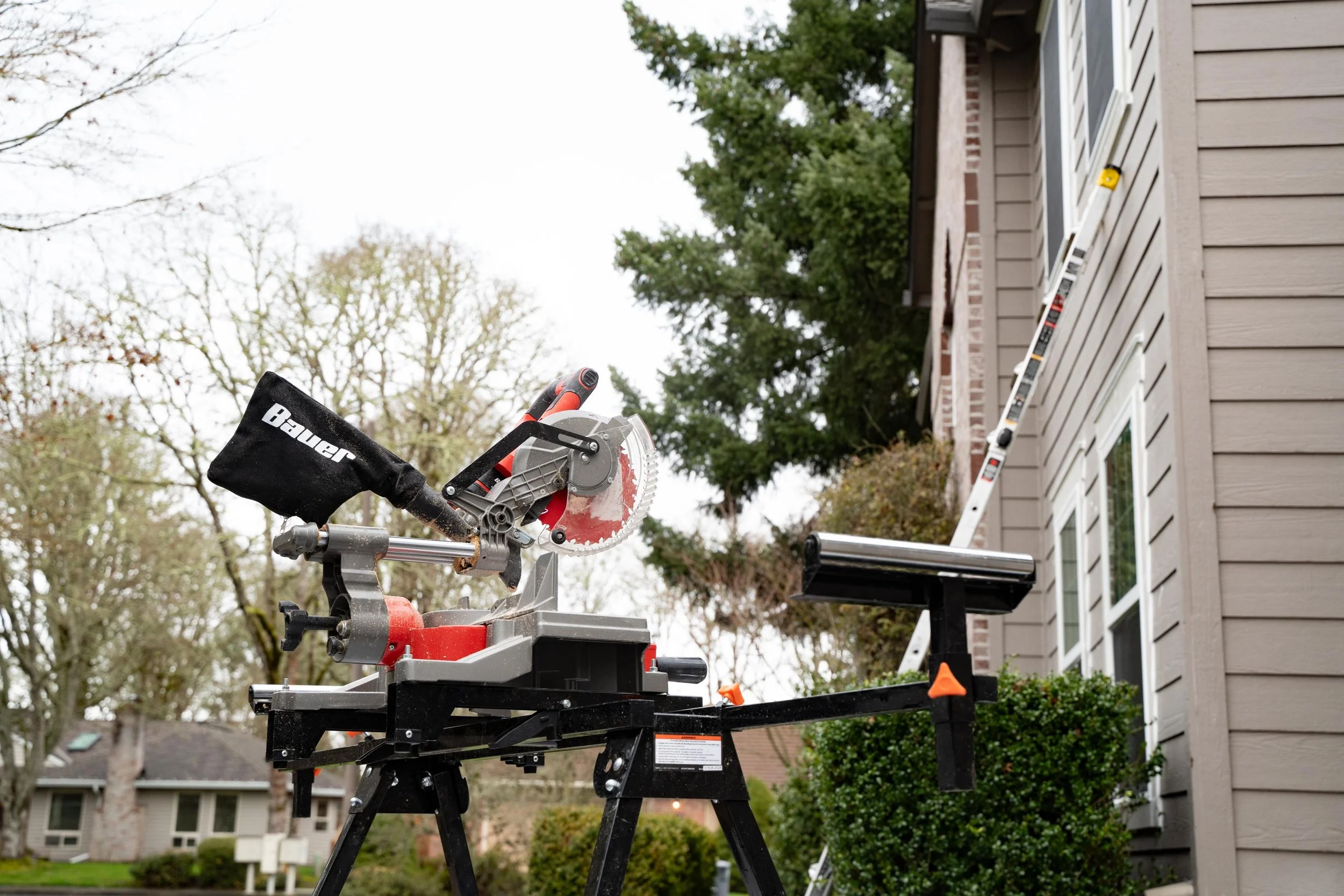
Window Replacement in Vancouver, WA
Fogged Glass Replacement. Hardware & Lock Repair. Draft Fixes. Caulking & Seal Repair. Free Estimates. Licensed OR #241979..


Washington's residential energy code sets a maximum U-factor of 0.30 for a replacement window, and the table that sets it has one column for Clark County and the rest of the state alike, a 1920s house near downtown and a 2010 house in Felida included. Oregon's code calls for a lower number, 0.27, but allows a replacement window to rise to 0.65 when necessary to keep it consistent with the other windows in the building. Washington's code has no such clause. A matching replacement that tests above 0.30 has to be carried by the average of the rest of the order, and on a house where every replacement is that same unit, nothing in the order can carry it.
For a Vancouver order, the absence of that clause decides what gets specified for each opening, and a VResh estimate is built around that decision.
Three ways to handle an older window in Vancouver
No row is a way around the number. The first row changes which openings count as replacements at all; the other two are replacements and meet it. The estimate visit starts by sorting the openings into the three.
How the code judges the whole order
Section R503.1.1.1 of the Washington code applies the 0.30 standard where "some or all of an existing fenestration unit is replaced with a new fenestration product, including sash and glazing." Where more than one window is replaced, it permits "an area-weighted average of the U-factor and SHGC of all replacement fenestration." That is the flexibility the section provides for rating a replacement unit, and it is the reason a VResh estimate for a Vancouver house shows a U-factor beside each opening and an average for the order.
In practice, the average is usually decided by the fixed units. A picture window has no operable seams, and fixed units in a line often carry a lower label than the operable units beside them. A house with several fixed windows has room in its order; a house of casements has less. The estimate shows the actual figures.
A glass-only swap inside an existing sash sits at the edge of the code's language. Whether it counts as a replacement is a determination for the building official, and VResh does not decide it for you.
The two exceptions, in full
The Washington code names two situations in which the 0.30 standard does not apply, and both are useful for an older house.
The first is the storm window in the table above. The original stays in place and a separate exterior unit goes over it. The code's words are "storm windows installed over existing fenestration," and nothing in the opening is treated as replaced.
The second is surface-applied window film on existing single-pane glazing. A film applied to the original glass is not a replacement either. It is a modest improvement, and VResh mentions it because homeowners with original single-pane sashes sometimes assume the only choices are to replace the glass or leave it exactly as it is.
Both exceptions keep the original window. Neither changes what the code requires of the replaced windows.
Reading the label the estimate copies from
A new window from a rated line carries an NFRC label showing a tested U-factor, a solar heat gain coefficient, and a visible transmittance. The U-factor is the number the Washington code checks. It describes the whole unit, frame and glass together, which is why the label on one window is not the label on the next, even within a line.
VResh copies that figure onto the estimate beside the opening it belongs to. If a bid you are comparing gives a single U-factor for the whole house, ask which unit it applies to.
Older neighborhoods near downtown
Hough, Arnada and Carter Park, the older neighborhoods near downtown, are where original wood windows most often come up on a Vancouver estimate. For those houses, the three-row table above is the whole conversation, and the storm-window row is the one that gets forgotten. It is a repair decision, and VResh will say which one is better.
Removing windows from a pre-1978 house is lead-safe work, as the Vancouver hub page explains. Hough's heritage listing includes no review of window work; the review applies to the property on the Clark County Heritage Register and Officers Row, which the Vancouver siding page covers.
Permits, in and out of the city
The City of Vancouver exempts the "replacement of window and door assemblies utilizing existing framed openings" from a building permit on one- and two-family homes. Enlarging an opening takes the job outside that wording, and the city decides what then applies. In unincorporated Clark County, a permit is required for window replacement, and VResh confirms the parcel's jurisdiction before the estimate. In both places, the energy code applies whether or not anyone inspects, which is why the U-factor of each unit goes in your file.
What VResh specifies on a Vancouver window order
Each opening surveyed, including the ones the call was not about, so that storm-window candidates are separated from replacements.
Each replacement unit named by line, operating type, glass package, and NFRC U-factor.
The area-weighted average for the order, shown on the estimate.
Jurisdiction and permit position stated in writing.
Installation per the main window page's process.
The NFRC label of each installed unit photographed before it is removed, and the schedule kept with your warranty.
The main window page carries VResh's general price ranges. A Vancouver estimate is built from the openings on the house, and the code shapes it in two ways: a unit that tests above 0.30 has to be carried by the rest of the order, whatever its price, and every original kept behind a storm window leaves the replacement count entirely.
Serving Portland Metro Area
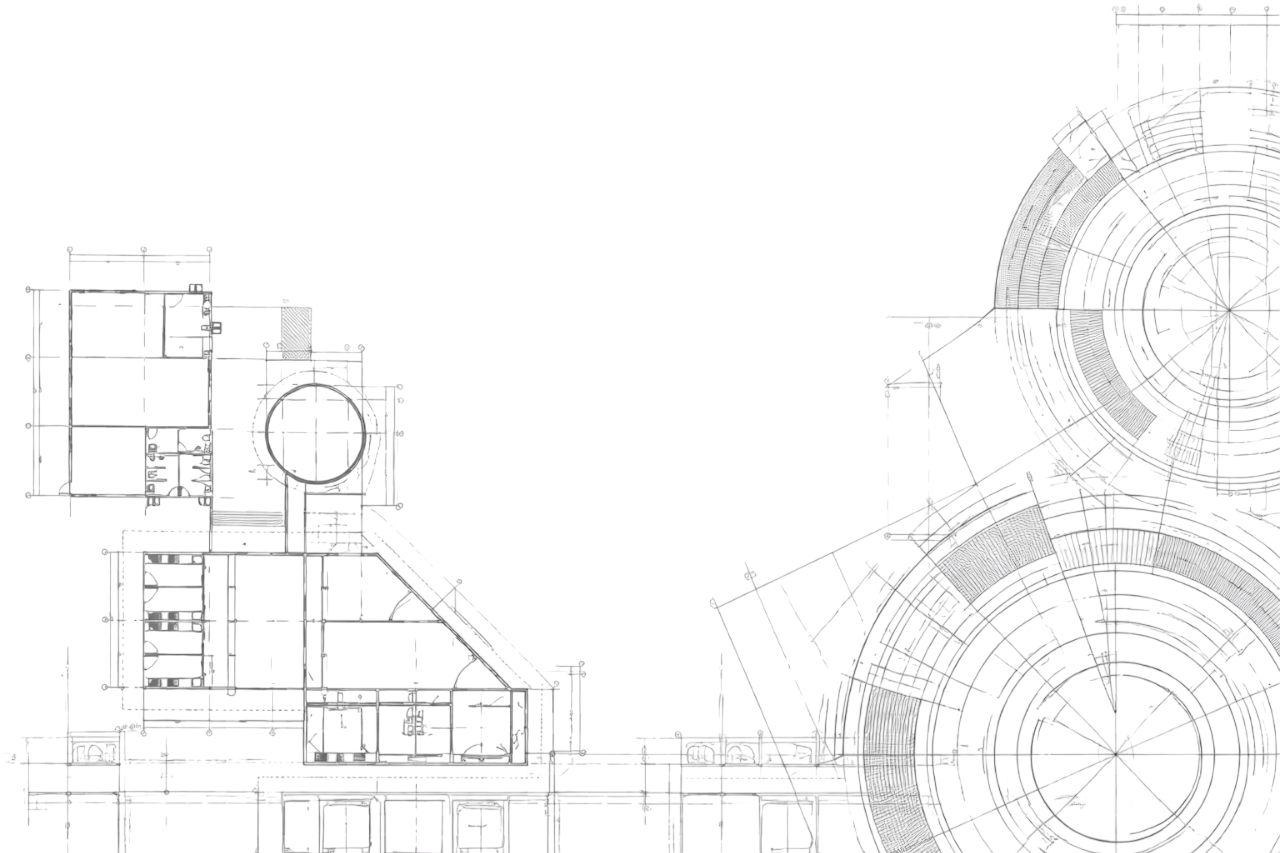
VResh Construction provides window replacement, siding installation, roofing, dry rot repair and full exterior renovation services throughout the Portland metro area and Southwest Washington.
Portland Metro — Oregon
Southwest Washington
Extended Service Areas
(503) 272-6436 — Call or Text, Available 24/7
We answer calls and texts at any hour. For storm damage, active leaks, or structural emergencies, calling directly is the fastest path to a response.
Window questions from Vancouver, WA


Client's Talk
We have a wealth of experience working as main building contractors on all kinds of projects, big and small, from home maintenance and improvements to extensions, refurbishments and new builds.
Decide which windows you are keeping
The one decision that changes a Vancouver window order most is made before the estimate: which originals, if any, stay behind a storm window. Walk the house with that question and call with the answer, or let VResh walk it with you. Call or text (503) 272-6436.