
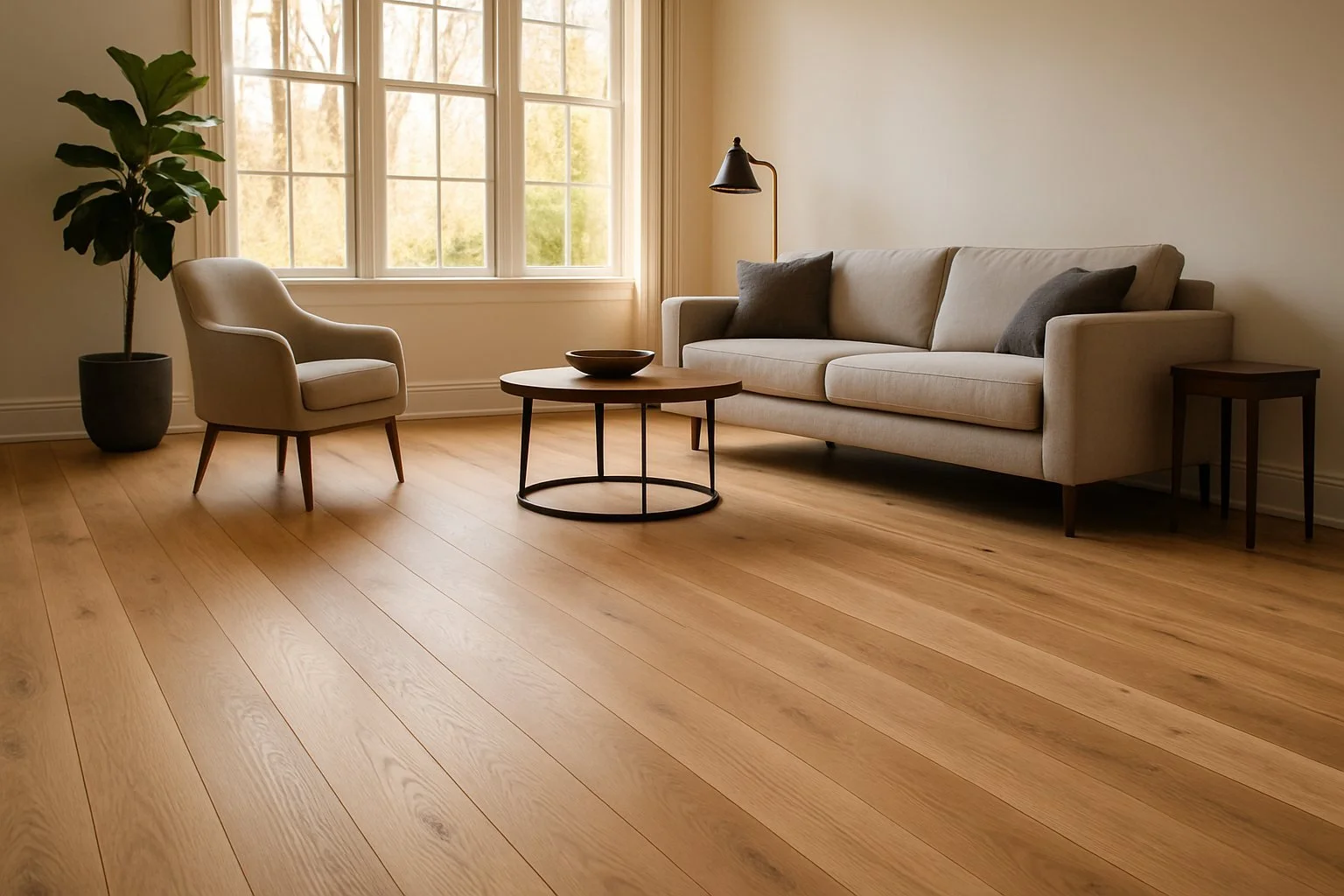
Hardwood Floor Installation in Portland, OR
Engineered or Solid. Chosen for Your Rooms. Set Over a Flat, Dry Subfloor. Built for Portland's Climate. Owner-Supervised. Licensed OR #241979 | WA #VRESHCL776ND.

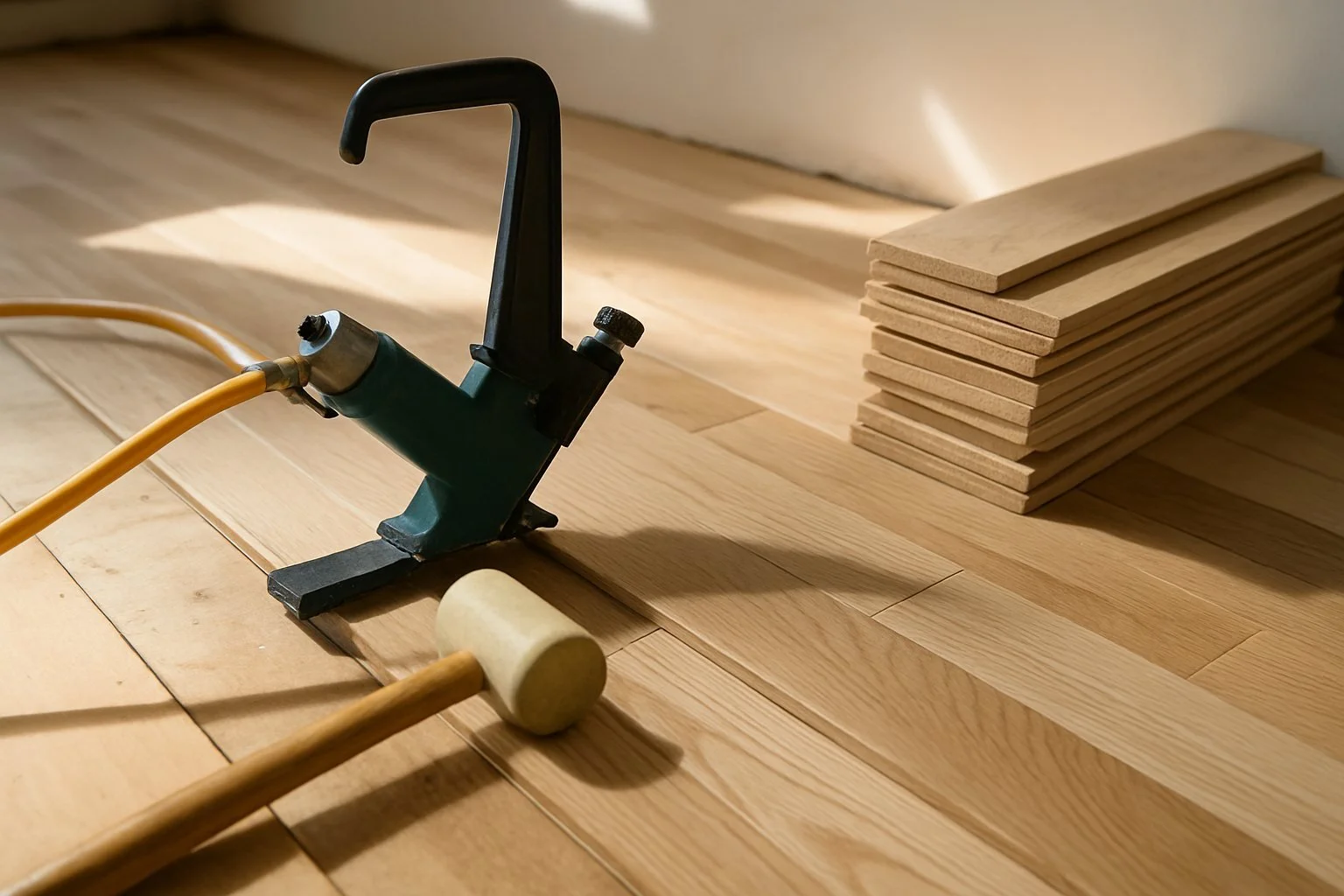
Hardwood is the floor buyers ask for and the one that still looks right decades later. It brings warmth and real value that vinyl and laminate imitate but never match. The catch in Portland is moisture: our wet season, older homes, and concrete slab floors all put wood to the test, and wood that is the wrong type for the room, or installed over a damp or uneven subfloor, will cup, gap, or squeak. VResh installs hardwood the right way for our climate. We help you choose between engineered and solid, check the subfloor for moisture and flatness, and set the floor so it stays flat and quiet. As a full remodeler, we line up the flooring with your trim, transitions, and any other work so it all fits together.
Owner-Supervised Always
Vlad is on every project, start to finish
Engineered or Solid
Matched to your rooms and Portland's climate
Subfloor Prepared First
Flattened, dried, and secured before the first board goes down
Moisture-Checked
For slab floors and older Portland homes
Licensed & Insured
OR #241979 | WA #VRESHCL776ND
Written Estimates Only
Scope and cost confirmed before any work begins
(503) 272-6436 — Call or Text, Available 24/7
We answer calls and texts at any hour. For storm damage, active leaks, or structural emergencies, calling directly is the fastest path to a response.
Three Hardwood Paths: Engineered, Solid, and Refinishing
Hardwood is not one decision. The first choice is which of these three routes fits your home, your rooms, and your budget, and it is the choice that most affects how the floor performs in our climate.
Engineered Hardwood
A real wood wear layer bonded over a stable, cross-layered core. That construction is why engineered wood holds up better than solid in Portland's humidity and seasonal swings, and why it is the only real-wood option that can go over a concrete slab or below grade with proper moisture protection. Depending on the thickness of its wear layer, it can be sanded and refinished once or twice. For most Portland kitchens, basements, and slab floors, engineered is the smart choice.
More stable and moisture-tolerant than solid, ideal for our climate
Can go over concrete and below grade with moisture protection
Real wood surface; refinishable once or twice depending on the wear layer
Solid Hardwood
Three-quarter-inch solid wood, installed above grade over a wood subfloor. Its advantage is longevity: it can be sanded and refinished many times over its life, so it can last generations. The trade-off is that it moves more with humidity, so it is best kept out of bathrooms, basements, and slab floors.
- Refinishable many times, so it can last for generations
- Best above grade over a wood subfloor, not in wet or below-grade rooms
- Moves more with seasonal humidity, so acclimation and gaps matter
Refinishing What You Already Have
Many older Portland bungalows and foursquares have original Douglas fir or oak floors hiding under carpet. When they are sound, sanding and refinishing them is often less expensive than new flooring and preserves the character and old-growth wood you cannot buy today. If we uncover original floors during a project, we will tell you honestly whether they are worth bringing back.
Species, Width, and Finish
Oak (red and white) is the durable, classic default; maple and hickory are harder and lighter; walnut is a premium dark option; and Douglas fir suits historic Portland homes. Wider planks read modern and show more movement, while narrower strips are traditional and very stable. Floors come prefinished, which is faster and cures factory-hard, or site-finished, which lets us sand the whole floor flat and stain to an exact color with seamless board-to-board transitions. We help you weigh look, durability, and budget across all three.
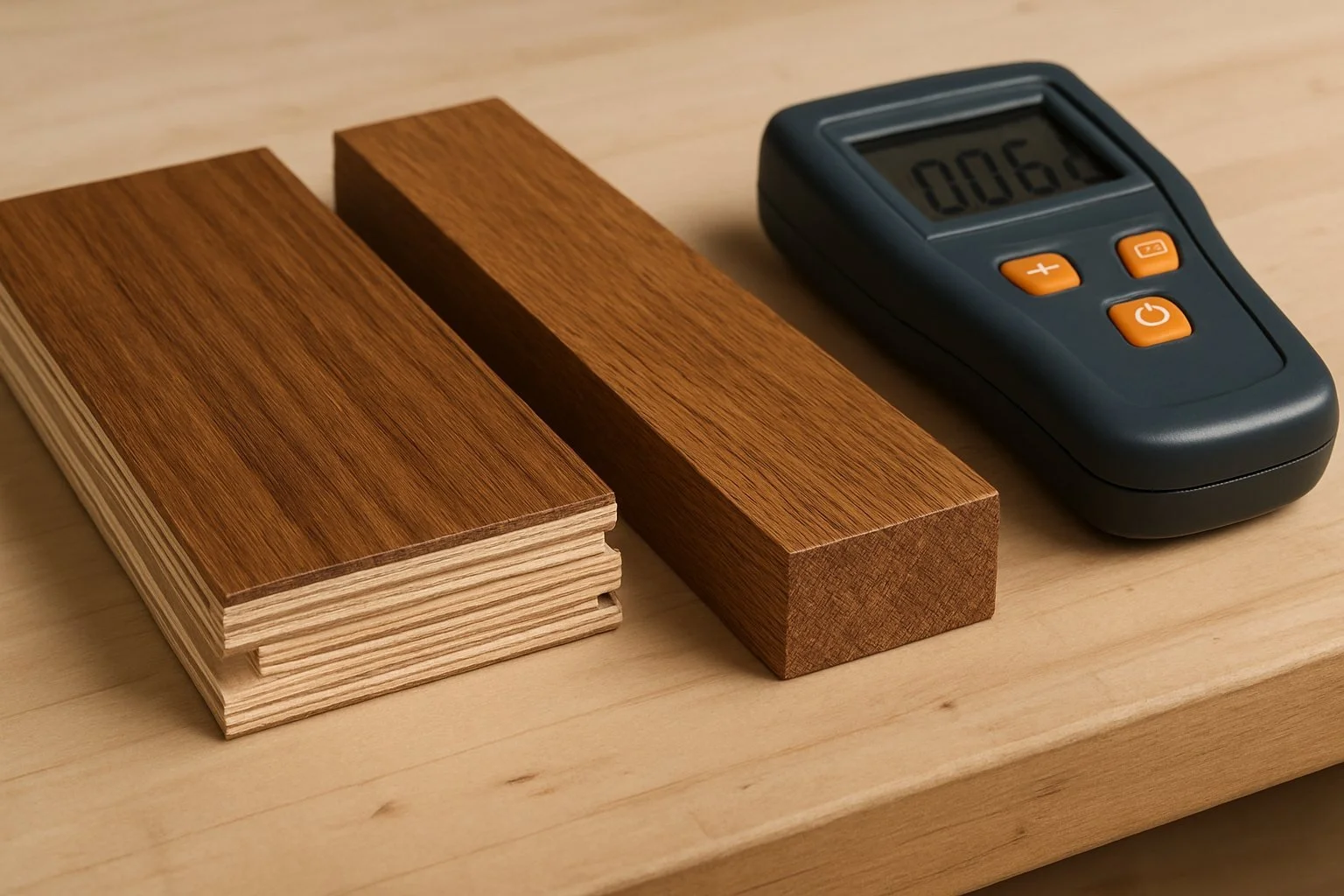
Hardwood, Luxury Vinyl, and Laminate
Homeowners weighing hardwood are usually also looking at luxury vinyl and laminate, so here is the honest difference. Hardwood is real wood: it adds the most resale value, can be refinished rather than replaced, and simply looks and feels like the genuine article, at a higher price and with more care around water. Luxury vinyl is waterproof, durable, and budget-friendly with a convincing wood look, but it is not real wood and cannot be refinished. Laminate sits in between on price with a printed wood image and a hard wear layer, but it is not waterproof and also cannot be refinished. If you want the real thing and long-term value, hardwood wins; if worry-free waterproofing and cost are the priority, luxury vinyl is the practical pick, which is why many homes use hardwood in living areas and luxury vinyl in wet rooms.
How a Hardwood Floor Project Works
Wood is a living material, and installing it well is as much about preparation and acclimation as it is about nailing boards. Here is the sequence.
What's Included in a Hardwood Installation
Every hardwood project with VResh includes the items below. Add-ons and conditional work are noted so there are no surprises on the estimate. If moisture testing shows a slab or crawlspace is too damp for wood, we will tell you and recommend the right approach or an alternative material rather than install a floor that will fail.
What Hardwood Floors Cost in Portland
Hardwood pricing depends most on whether you choose engineered or solid, the species and grade, and whether the floor is prefinished or site-finished, followed by the condition of the subfloor. Exotic species, wide planks, and site finishing sit at the higher end, while standard oak in a prefinished engineered product is more moderate. Because those choices and the subfloor differ project to project, we price each one after seeing the space.
What Drives the Price
- Engineered versus solid, and the wear-layer thickness on engineered
- Species and grade: standard oak versus hickory, walnut, or exotics
- Prefinished versus site-finished, which adds sanding and finishing labor
- Plank width and layout complexity
- Subfloor condition, moisture mitigation, and removal of the old floor
You will get a written, itemized estimate before any work begins, with no verbal numbers and no pressure. To price your rooms, request a free estimate or call or text (503) 272-6436.
Caring for Your Hardwood Floors
Hardwood is easy to live with, and the habit that protects it most is simply keeping water and grit off it.
Sweep or vacuum grit regularly, since fine debris is what scratches a wood finish over time.
Clean with a wood-floor cleaner on a barely damp mop. Never wet-mop or let water stand, as standing water is what damages wood.
Put felt pads under furniture legs, use rugs at entries to catch grit and moisture, and lift rather than drag heavy items.
Keep indoor humidity reasonably steady. Big swings make wood expand and contract, which opens seasonal gaps that usually close again.
When the finish eventually dulls in walkways, a solid floor can be sanded and refinished many times, and an engineered floor once or twice, so the wood comes back rather than getting replaced.


What Portland Homeowners Say
VResh Construction has completed more than 500 projects across the Portland metro with a 5.0 rating on Google. The reviews below are pulled live from our Google Business Profile, so what you see is current and unfiltered.

Serving Portland Metro Area
VResh Construction provides window replacement, siding installation, roofing, dry rot repair and full exterior renovation services throughout the Portland metro area and Southwest Washington.