
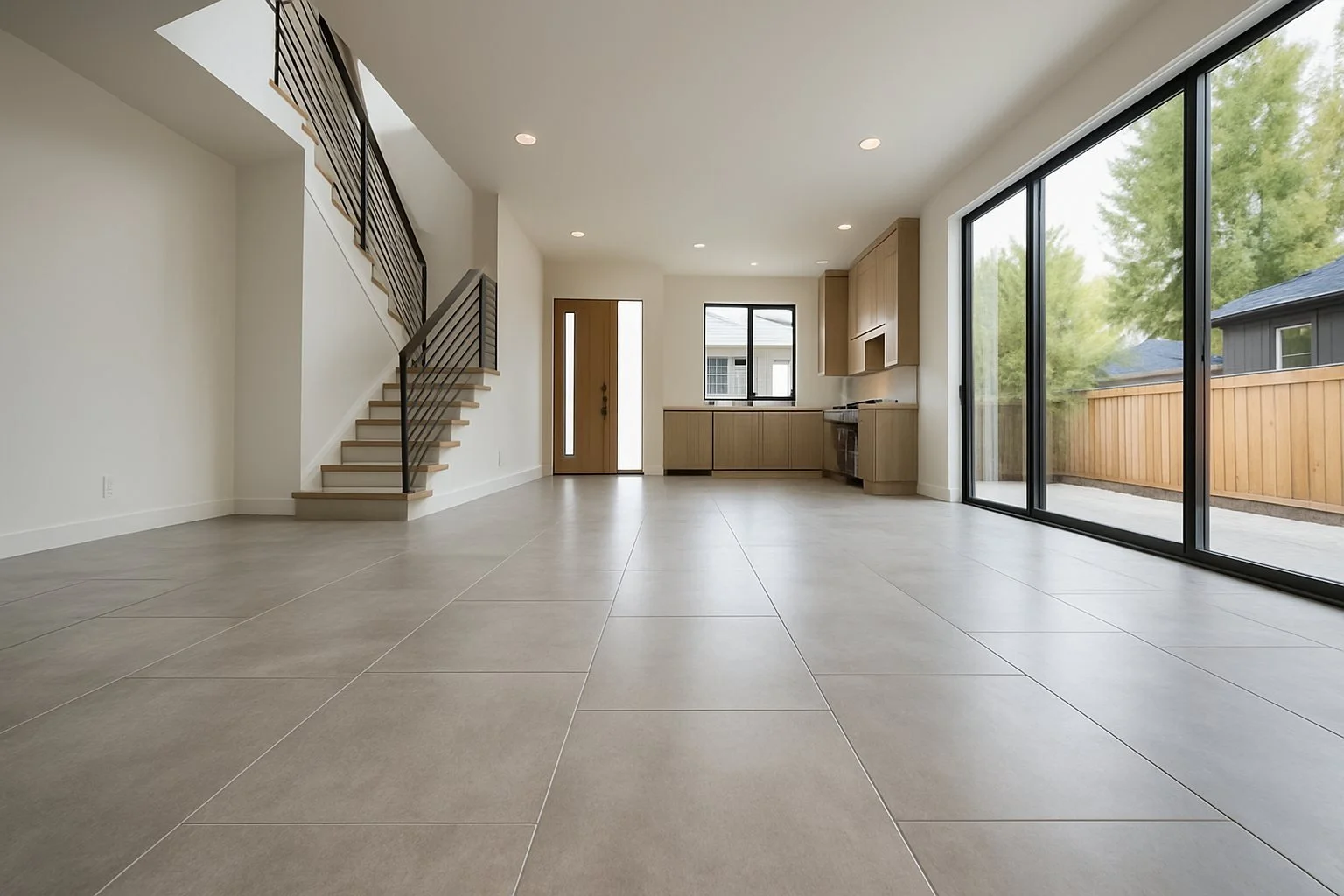
Tile Installation in Portland, OR
Porcelain, ceramic, and natural stone set over the right substrate, with balanced layouts and clean cuts. Floors, walls, and backsplashes that stay tight and crack-free. Owner-supervised. Licensed OR #241979 | WA #VRESHCL776ND.

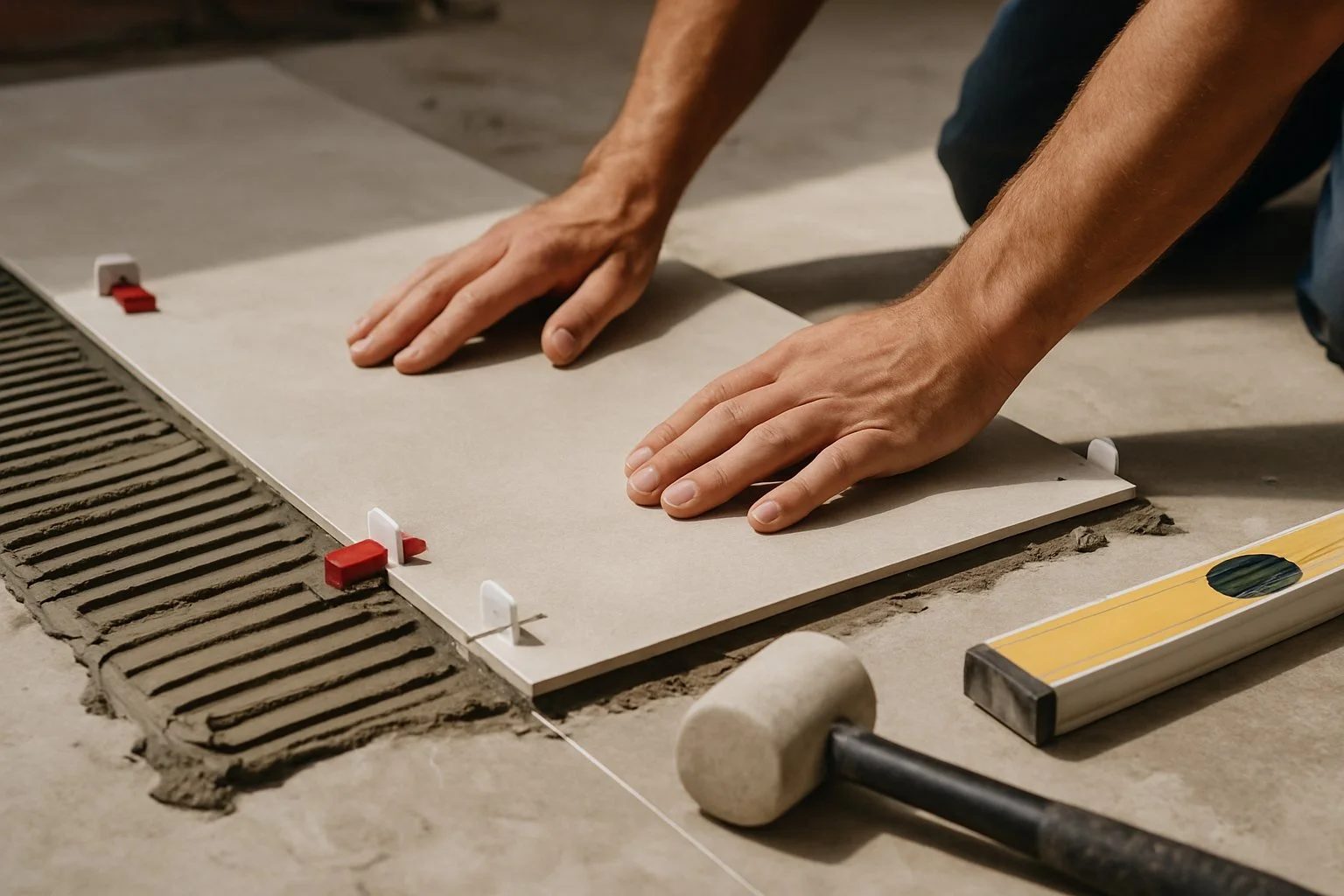
Tile is the hardest-wearing, most waterproof surface you can put in a home, and a well-set tile floor or wall lasts for decades. It is also the finish that most punishes shortcuts: tile set over the wrong substrate cracks, grout that was not planned or sealed stains and crumbles, and a layout that was not thought through leaves slivers and off-center lines you notice every day. VResh sets tile the way it is meant to be done, starting with the substrate. We install the right backer board, uncoupling membrane, or waterproofing under the tile, dry-lay the layout for balanced cuts, and control lippage so the finished surface is flat and tight. As a full remodeler, we coordinate tile with your flooring, cabinets, and bathroom work so it all lines up.
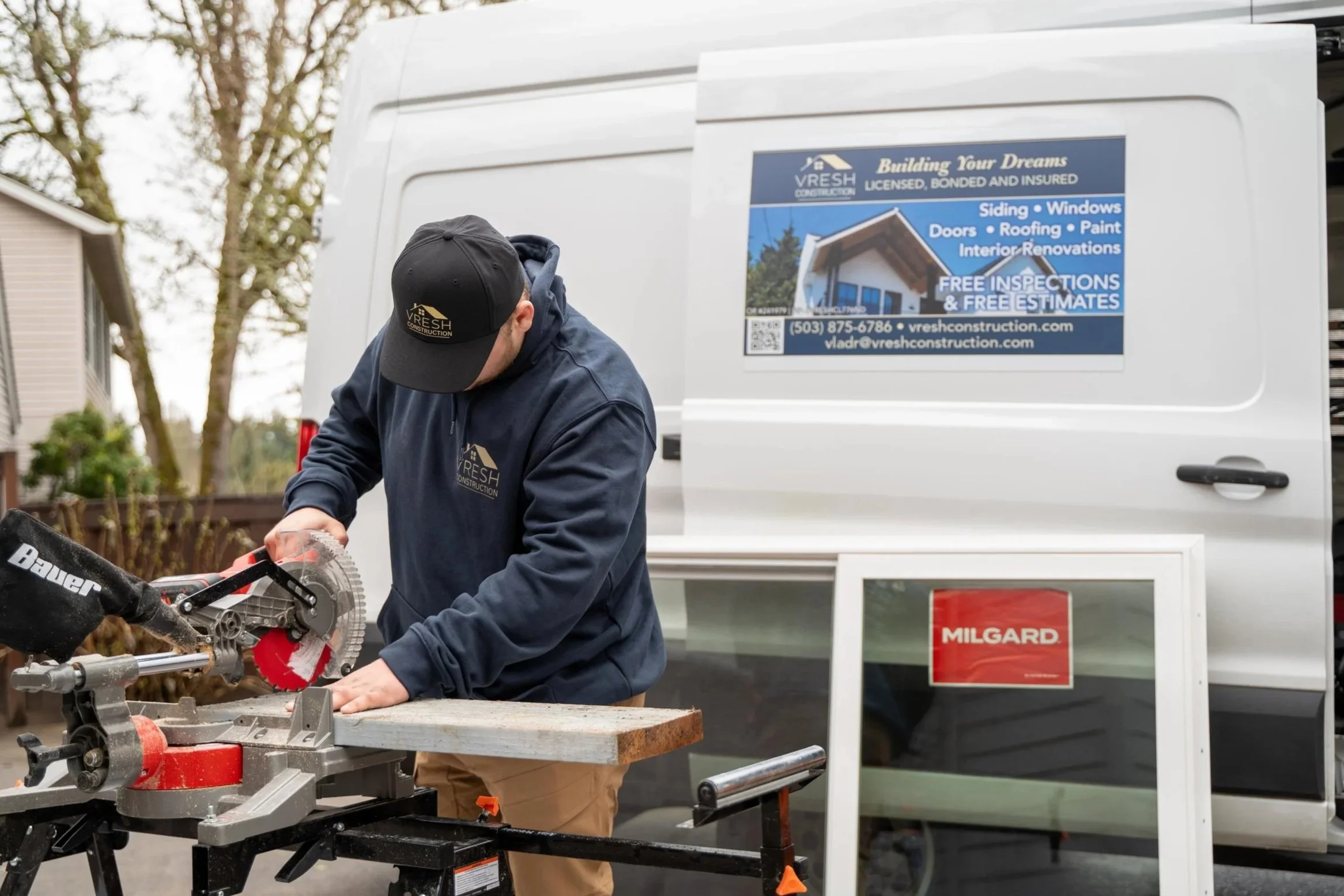
Owner-supervised always
Vlad is on every project, start to finish
Set over the right substrate
backer board, uncoupling membrane, and waterproofing where it belongs
Porcelain, ceramic, and natural stone for floors, walls, and backsplashes
Balanced layouts, clean cuts, and lippage control for a flat, tight finish
Licensed and insured
OR #241979 | WA #VRESHCL776ND
Written estimates only
scope and cost confirmed before any work begins
(503) 272-6436 — Call or Text, Available 24/7
We answer calls and texts at any hour. For storm damage, active leaks, or structural emergencies, calling directly is the fastest path to a response.
Porcelain, Ceramic, or Natural Stone
Porcelain
Dense, hard, and very low in water absorption, porcelain is the workhorse of tile. It handles heavy floor traffic and wet areas, resists stains and scratches, and comes in convincing wood-look, stone-look, and concrete-look styles, including large-format planks and slabs. For most Portland floors and wet rooms, porcelain is the durable default.
Ceramic
Softer and more affordable than porcelain, ceramic is a great choice for walls and backsplashes and for lighter-traffic floors. It cuts and installs easily and comes in a huge range of colors, glazes, and classic shapes like subway tile. It absorbs a bit more water than porcelain, so we steer it toward the right locations.
Natural stone
Marble, travertine, slate, and other natural stones bring a look no manufactured tile fully replicates, with real depth and variation. Stone is porous, so it needs sealing and gentler cleaning, and softer stones like marble can etch from acids. It is beautiful in the right spot, and we will tell you honestly where it will thrive and where a porcelain look-alike is the smarter call.
Grout: the detail that makes or breaks the look
Grout color changes a tiled surface as much as the tile itself, from a seamless match that lets a large floor read as one plane to a contrast that frames every tile. Standard cementitious grout is sealed to resist staining, while epoxy grout is nearly stain-proof and waterproof and is worth the upgrade in showers and busy kitchens. We help you choose the grout type and color, and we seal cement grout and natural stone as part of the job.
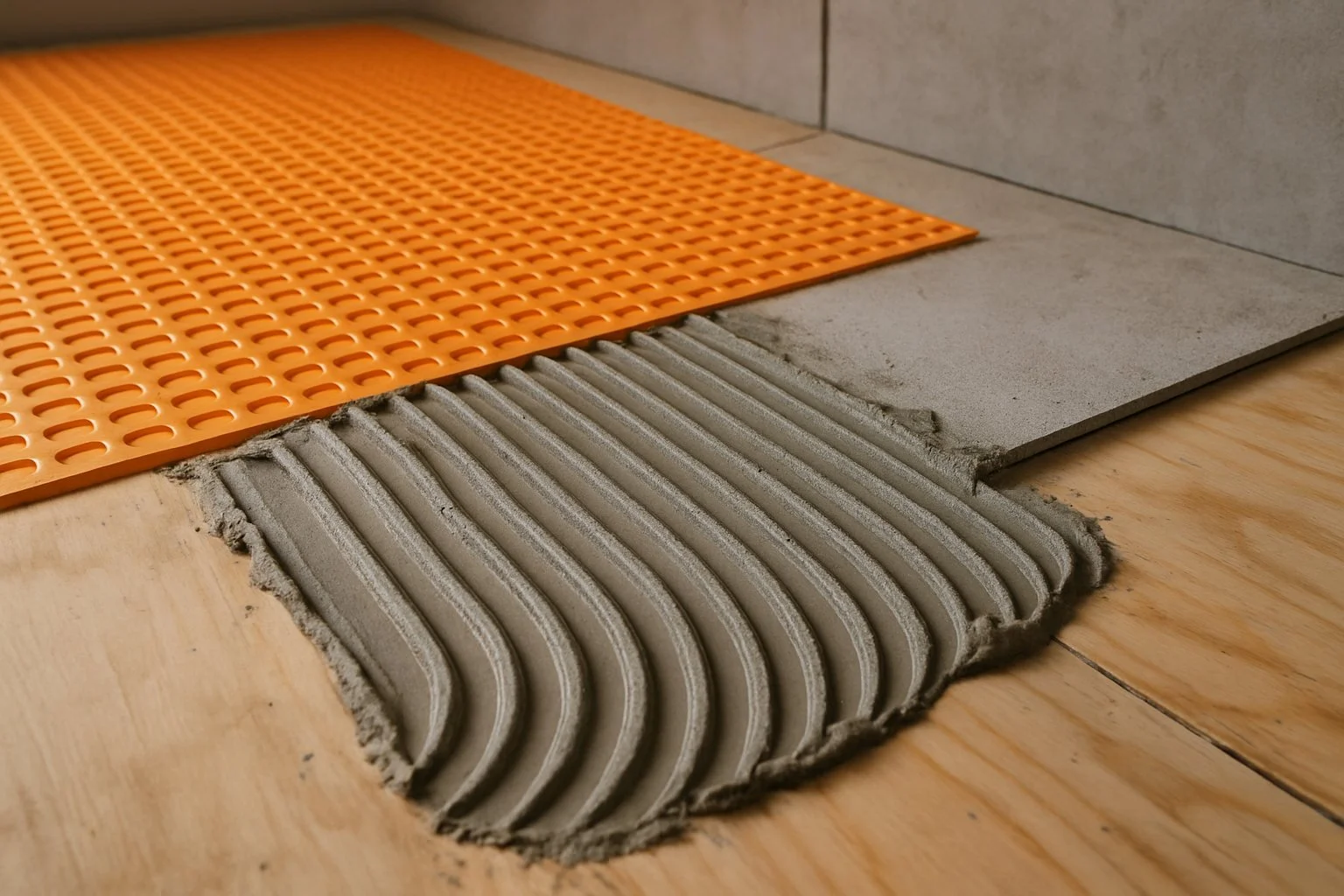
The Part That Makes Tile Last: The Substrate
Cracked tile and failing grout are almost never the tile's fault. They come from what the tile was set on. Tile is rigid and does not tolerate a base that moves, so the layers under the tile are where a lasting installation is won or lost.
The right backer, not just drywall
Tile does not belong directly on drywall or bare plywood in most locations. We install cement backer board or the appropriate substrate so the tile has a stable, suitable surface to bond to, especially on walls and in wet areas.
Uncoupling membrane on floors
On floors, we use an uncoupling membrane that lets the subfloor and the tile move independently, so seasonal movement and minor deflection do not telegraph into cracked tile and grout. This one layer is the difference between a floor that stays tight and one that cracks along a joist line.
Waterproofing in wet areas
In showers, tub surrounds, and other wet zones, we build a continuous waterproofing layer behind the tile so water cannot reach the framing. For full tiled showers, see our tile shower installation page, where waterproofing is the whole game.
Movement joints and flat layout
We include movement joints where the installation and the room require them, and we check the substrate for flatness so large-format tile lies flat without lippage. Skipping these is what causes the hollow spots, uneven edges, and long cracks that show up a year later.
Where Tile Works
Tile earns its place anywhere durability and water resistance matter. We install it across the home:
What This Means for You
Not sure which tile suits which space? We walk the whole home at the estimate and match material, size, and finish to how each room is used.
How a Tile Project Works
What's Included in a Tile Project
Every tile project with VResh includes the items below. Add-ons and conditional work are noted so there are no surprises on the estimate. For a full tiled shower, see the tile shower installation page, where the waterproofing system and pan are the core of the scope.
What Tile Installation Costs in Portland
Tile pricing depends on the tile you choose, the size and complexity of the layout, and the substrate work the location requires. Natural stone, intricate patterns, large-format tile, and full waterproofing sit at the higher end, while a straightforward porcelain floor or a simple subway backsplash is more moderate. Because the substrate and layout vary so much room to room, we price each project after seeing the space.
What drives the price
- Tile material: ceramic, porcelain, or natural stone, and tile size
- Layout complexity: patterns, diagonals, large-format, and detailed cuts
- Substrate work: backer board, uncoupling membrane, waterproofing, and leveling
- Grout type: standard cement versus epoxy
- Removal and disposal, plus any radiant heat or trim add-ons
You will get a written, itemized estimate before any work begins, with no verbal numbers and no pressure. To price your project, request a free estimate or call or text (503) 272-6436.
Caring for Your Tile
Tile is about as durable as a surface gets, and keeping it looking new is mostly about the grout and, for stone, the sealer.
Sweep or vacuum grit and damp-mop with a pH-neutral cleaner
Skip harsh acidic cleaners, which can damage grout and etch natural stone.
Reseal cement grout periodically to keep it resisting stains
Epoxy grout does not need sealing.
Seal natural stone on the schedule its type calls for, and wipe acidic spills promptly on marble and other softer stones.
Keep flexible caulk at corners and changes of plane in good shape; a fresh bead where it has aged keeps water out and looks clean.
Handled that way, a porcelain or ceramic floor needs very little beyond routine cleaning, and natural stone stays beautiful with its periodic sealing.


What Portland Homeowners Say
VResh Construction has completed more than 500 projects across the Portland metro with a 5.0 rating on Google. The reviews below are pulled live from our Google Business Profile, so what you see is current and unfiltered.

Serving Portland Metro Area
VResh Construction provides window replacement, siding installation, roofing, dry rot repair and full exterior renovation services throughout the Portland metro area and Southwest Washington.