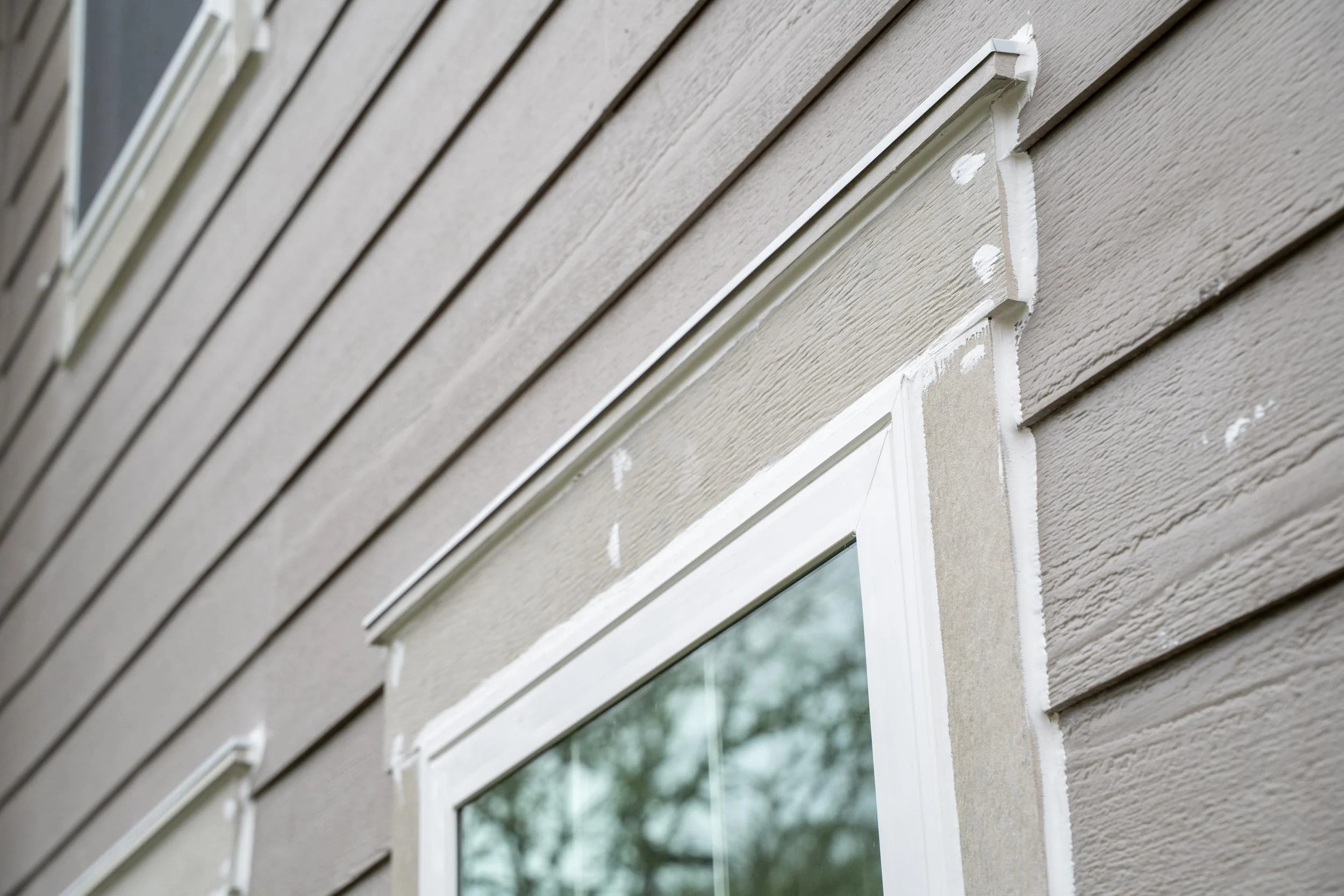
Exterior Door Repair in Tigard, OR
Rotted Jamb Feet Rebuilt in Treated Wood. Sills Close to Grade Repaired. Locks and Weather Seals Reset. Written Repair Prices.
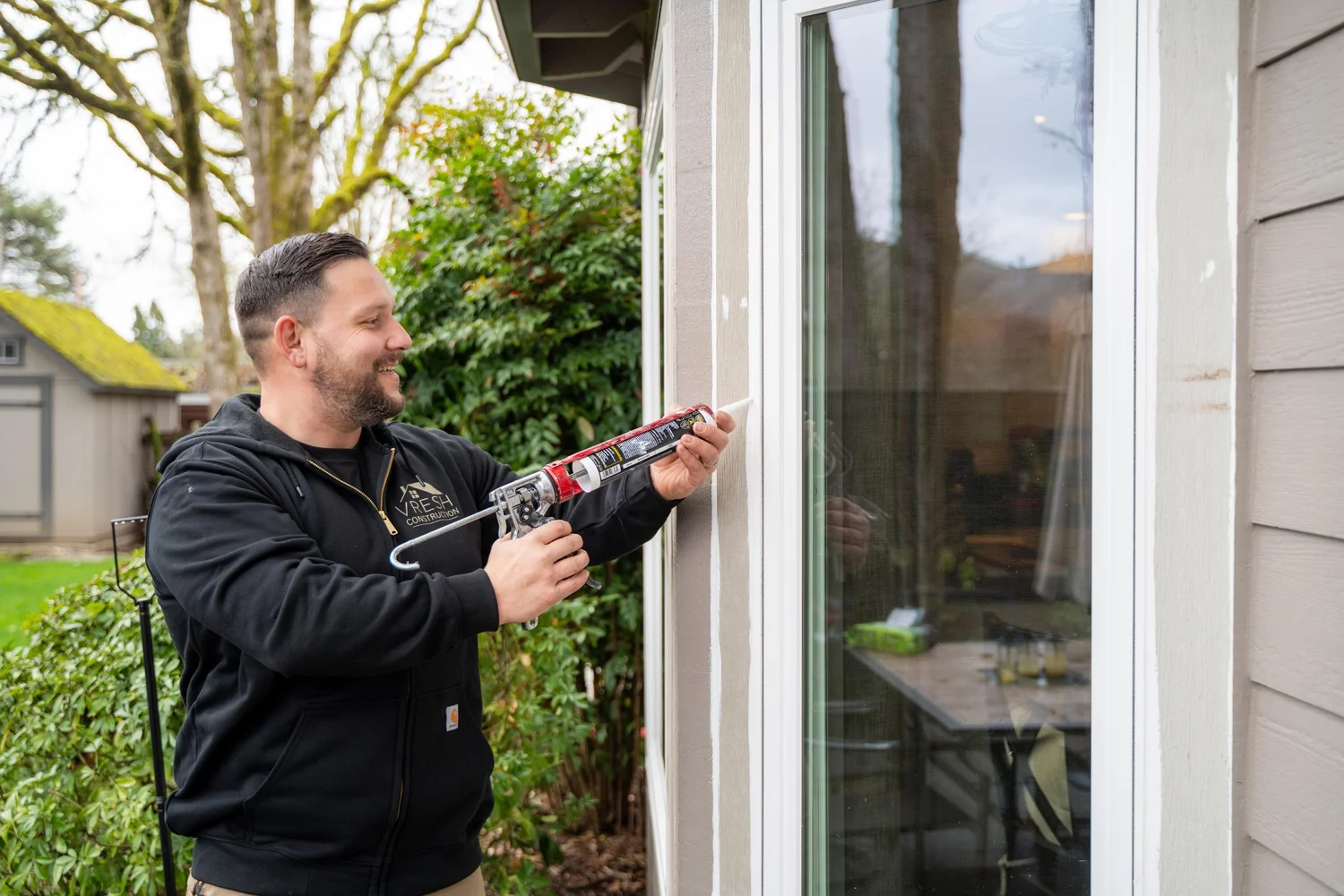
Tigard's Property Maintenance Regulations, Chapter 14.16 of the Tigard Municipal Code, cover "all property in the City," and two of their rules set how a door repair gets built here. The opening section of the chapter's standards ties residential property to the building code in effect at the time of construction, alteration, or repair, and Tigard's Building Official applies that standard to a given job. Section 14.16.140B requires treated wood, or wood with a natural resistance to decay, wherever wood in a permanent structure is within 6 inches of earth. A back door that opens onto a low patio, or a front door with a planting bed against the step, can put the foot of the jamb and the sill inside that zone.
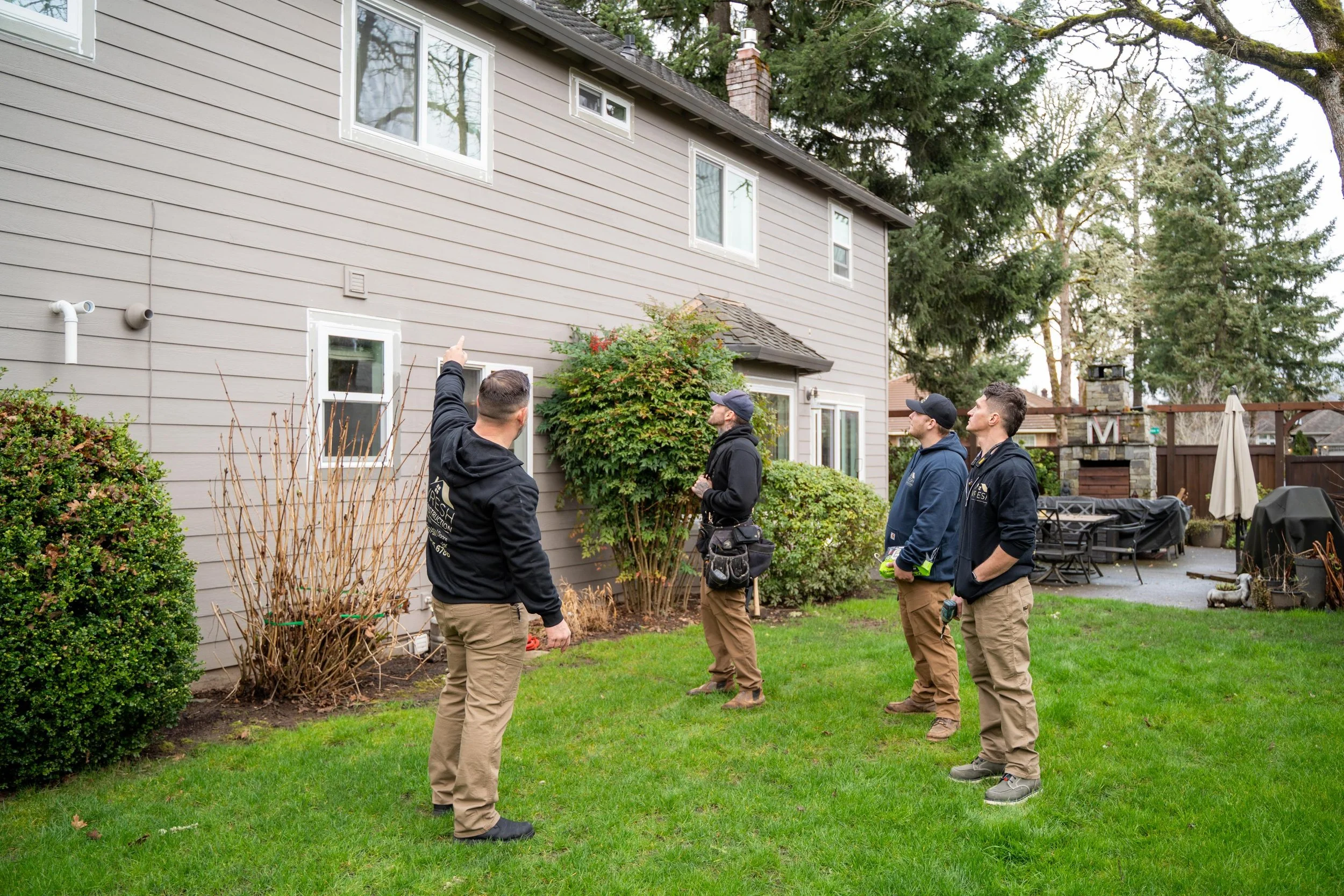
Part of what Vlad looks at during the diagnosis is where the soil or mulch line meets the frame, because in Tigard, that distance determines which wood a splice calls for. He points out the soft spots and the soil line to you, and the repair is priced in writing before work begins.

(503) 272-6436 — Call or Text, Available 24/7
We answer calls and texts at any hour. For storm damage, active leaks, or structural emergencies, calling directly is the fastest path to a response.
Common Exterior Door Problems We Fix in Tigard
01. Jamb Feet Rotting Where Soil or Mulch Sits Close
Bark mulch, a raised bed, or built-up soil can climb to within a few inches of the door frame. The jamb feet and brickmould then stay damp from below as well as from the threshold. When we cut that rot out in Tigard, and the replacement piece sits within 6 inches of soil, the chapter calls for treated wood or a species that resists decay on its own.
02. Sills and Thresholds Set Low to a Patio or Step
Some back doors step straight down onto a concrete patio, and some front doors sit a short step above a walk with soil at its edge. Water running off the slab soaks the outside of the sill. A rebuilt sill or threshold support on a Tigard door that sits that close to grade falls under the same wood rule as the jamb.
03. Old Patches That Failed Early
A jamb patched in plain pine years ago, or a threshold shimmed with scrap, often fails first. Tigard's chapter defines repair as "The reconstruction or renewal of any part of an existing structure for the purpose of its maintenance." Cutting out a failed patch and building that piece again is repair in the chapter's own terms, and the chapter's wood and door rules apply to the new piece.
04. Locks That No Longer Discourage Entry
Section 14.16.180C asks for a lock on each exterior door "designed to discourage unwanted entry." A deadbolt that misses its strike, or a strike screwed into a soft jamb, does little to discourage entry. The strike sits in the latch-side jamb, the same board that rots at its foot when soil sits close. On a Tigard door with a rotted jamb foot, the strike and the splice are two jobs on one board.
05. Gaps and Leaks Between Door and Frame
Tigard's door rules in section 14.16.180D require that each exterior door, when closed, "fit reasonably well within its frame and be weather-tight." The same section asks the frame, where it meets the wall, to keep out rain as completely as possible and most of the wind. VResh resets the threshold and renews the sweep and weatherstrip where the door meets the frame, and checks the joint between the frame and the wall.
Exterior Door Symptoms, Causes, and What Tigard's Rules Mean
Soft wood in the bottom few inches of the jamb
Mulch or soil packed against the door frame
Tigard's 14.16.140B calls for treated or naturally rot-resisting wood within 6 inches of earth, and the splice uses that stock.
The sill flexes when you step on it
Water running off a patio slab into the sill
The same wood rule governs a sill rebuilt close to grade.
The bolt can be pushed back with the door closed
Strike pulled loose, and the door dropped
14.16.180C requires a lock that discourages unauthorized entry.
Cold air at the head of the door on windy days
Weatherstrip worn flat or a sagging door
14.16.180D wants a shut door seated in its frame with the weather kept outside.
A damp patch on the inside wall beside the frame
The frame no longer sheds water at the head or jambs
14.16.180D also expects the frame to keep rain out as completely as possible.
Paint flaking off a repaired jamb
New wood was never sealed
Tigard's chapter expects a protective coating on exterior wood, and we seal and paint new wood.
Exterior Door Repair in Tigard: What the Project Involves
Decay-Resistant Wood Within 6 Inches of Earth: Tigard's Rule at the Door
Section 14.16.140B of Tigard's code ends with a rule written for any permanent structure: "Wood used in construction of permanent structures and located nearer than six inches to earth shall be treated wood or wood having a natural resistance to decay." At a door, the wood most likely to sit that close to soil is the bottom of the jamb, the foot of the brickmould, and the sill on a door that opens onto grade or a low patio.
A rot splice at the base of a jamb would ordinarily match the jamb itself, which may be untreated pine or fir. Where the new piece will sit within 6 inches of the earth, Tigard's chapter calls for treated wood or a species with natural decay resistance. The same applies to a rebuilt sill or the blocking under a threshold on a door near grade.
Soil and mulch creep up against a house over the years, and wood that once cleared grade can end up inside the zone. Pulling mulch back from the frame keeps the new wood drier, and the treated or decay-resistant stock is the code's answer to the moisture that still reaches it.
Tigard's Time-of-Repair Standard
Tigard's chapter opens its standards with this requirement: "All residential property shall be maintained to the building code requirements in effect at the time of construction, alteration, or repair and shall meet the minimum requirements described in this chapter." A jamb, sill, or threshold that VResh reconstructs today points to the building code in effect today. The Building Official applies the chapter to a given job.
The sentence has a second half that reaches beyond the piece being rebuilt. Every residential property in the city "shall meet the minimum requirements described in this chapter," and those minimums include the lock, fit and frame rules for exterior doors. A Tigard door repair that fixes the rotted foot of a jamb therefore sits beside the chapter's other door rules, and Vlad looks at the lock, the weatherstrip and the frame joint during the same visit.
When Repair Beats Replacement in Tigard, and When It Does Not
Repair Is Usually the Right Call When
Tigard's two-door rules both work through the parts a repair replaces. When rot is confined to the lowest foot of the jamb, the brickmould or the sill, rebuilding those pieces in treated or decay-resistant wood meets 14.16.140B while the sound slab and upper frame stay in place.
Replacement Is Usually the Better Value When
Rot that has climbed most of the frame, a slab that has split or warped, or a soft subfloor under the sill means nearly the whole assembly would be rebuilt piece by piece. At that point, a new prehung unit in the opening is often the simpler path. For that route, see the main exterior door replacement page.


Client's Talk
Serving Portland Metro Area
VResh Construction repairs and replaces entry, back, side, patio, and sliding doors, as well as windows and addresses dry rot, throughout the Portland metro area and Southwest Washington.
Portland Metro — Oregon
- Portland, OR
- Oak Grove, OR
- Cedar Mill, OR
- King City, OR
- Happy Valley, OR
- Clackamas, OR
- Milwaukie, OR
- Gresham, OR
- Wood Village, OR
- Scappoose, OR
- Sandy, OR
- Newberg, OR
- Estacada, OR
- Lake Oswego, OR
- Beaverton, OR
- Hillsboro, OR
- Tigard, OR
- Sherwood, OR
- West Linn, OR
- Oregon City, OR
Southwest Washington
Extended Service Areas
Exterior Door Repair FAQs for Tigard Homeowners
Who in Tigard actually enforces the door and wood rules?
The chapter names the Building Official as the person "charged with the enforcement and administration of this chapter." Reports come in through Tigard's Code Compliance page, which lists failing to maintain housing among the violations residents can report, and the city states that information in a report "becomes public record."
Our bedroom has its own door straight out to the backyard. Does that door have a special rule?
Section 14.16.300A allows an exterior door to serve as a sleeping room's escape opening and requires that the opening work "from the inside to a full clear opening without the use of special knowledge, effort, or separate tools." A bolt or bar on that door that takes a tool or a key to release from inside is the kind of hardware that section addresses.
Does Tigard expect me to keep up the door even if nothing has failed yet?
The chapter's purpose includes preventing "deterioration of existing housing," and it defines maintenance as "The work of keeping property in proper condition to perpetuate its use." Resealing a threshold, renewing the paint on the jamb feet, and pulling mulch back from the frame all fit that definition.
Can the bottom of the door frame be rebuilt in cedar?
Cedar can be used where the piece has the natural resistance to decay that Tigard's rule requires, since the rule accepts that, as well as treated wood, and names no species. The Building Official decides whether a given piece meets the rule. Whatever wood goes in, Tigard's chapter also expects a protective coating on exterior wood, and we seal and paint it.
Get a Free Door Estimate
Call or text to schedule a visit to your Tigard home. If mulch, a raised bed, or a patio slab sits right against the door frame, mention it when you book, since that clearance shapes the materials list under Tigard's 6-inch rule.
- Same-day response on all estimate requests
- No commission-based sales, just honest quotes
- Licensed OR #241979 · WA #VRESHCL776ND
- EPA Lead-Safe Certified for pre-1978 homes
- Written workmanship warranty on our repairs