
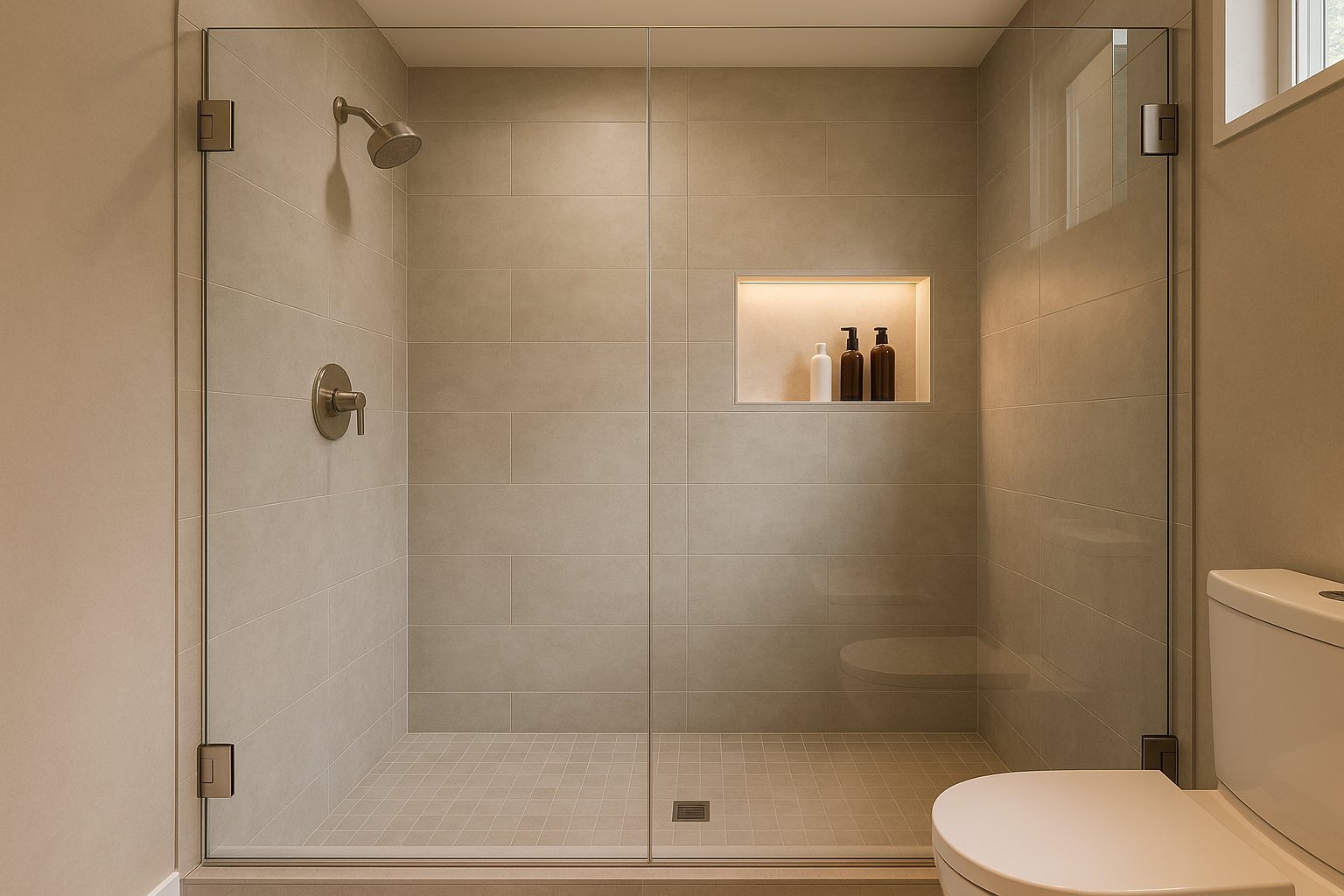
Tile Shower Installation in Portland, OR
Custom Tile Showers. Curbless & Walk-In. Tub-to-Shower Conversions. Waterproofed Right — Slope, Membrane & Drain. Flood-Tested Before Tile. Licensed OR #241979 | WA #VRESHCL776ND.

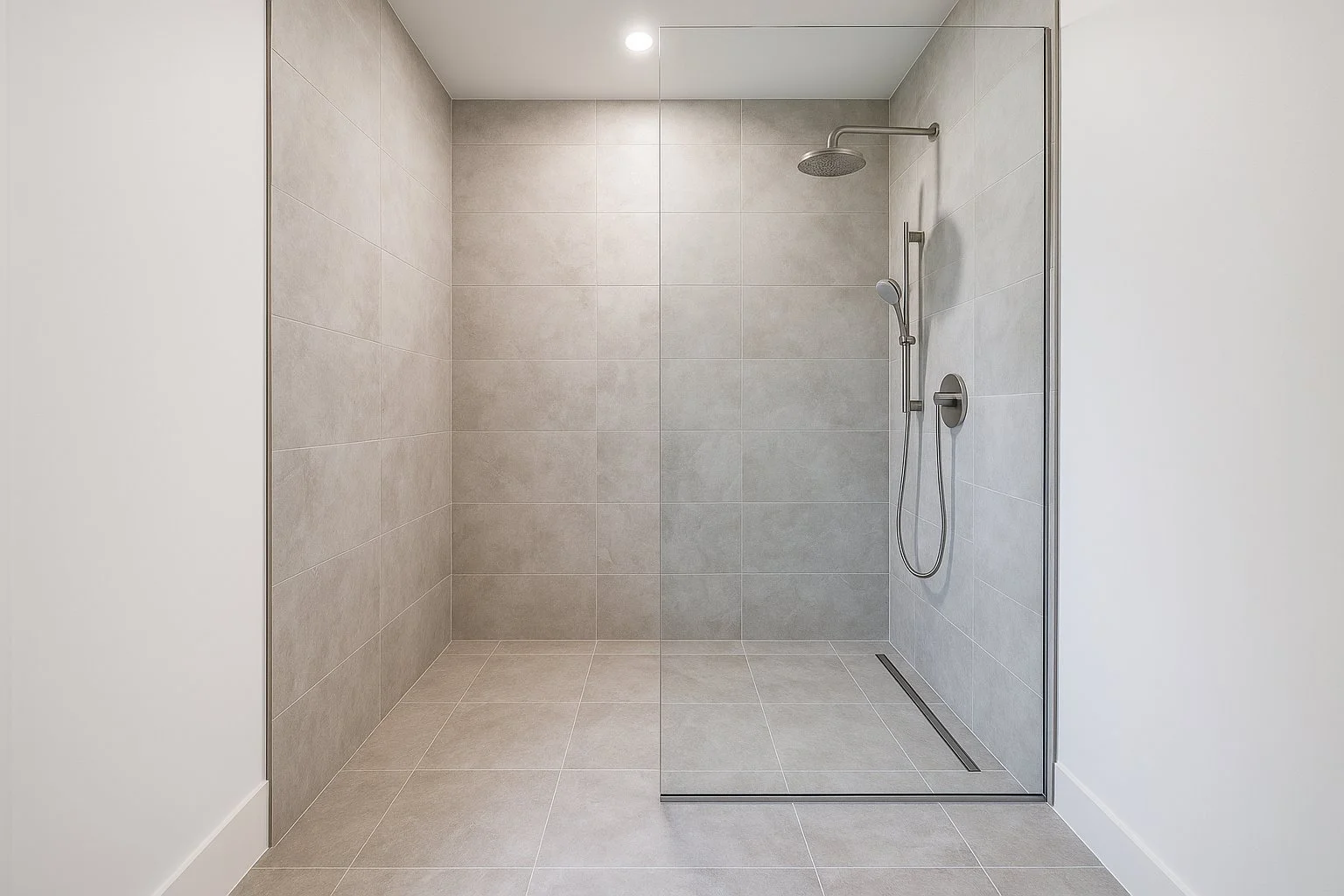
A tile shower is the one place in a house where a hidden mistake becomes an expensive one. Everything you see — the tile and the grout — sits on top of what actually keeps the water out, and when the waterproofing under it is missing, incomplete, or done wrong, water wicks into the wall and floor and quietly rots framing and grows mold for years before anyone notices. VResh builds showers from the waterproofing out: a proper slope to the drain, a continuous waterproof membrane system, and a flood test of the pan before any tile goes on. Then we tile it clean, with balanced layouts and waterproofed niches — with epoxy grout available as an upgrade where you want the most stain and water resistance.
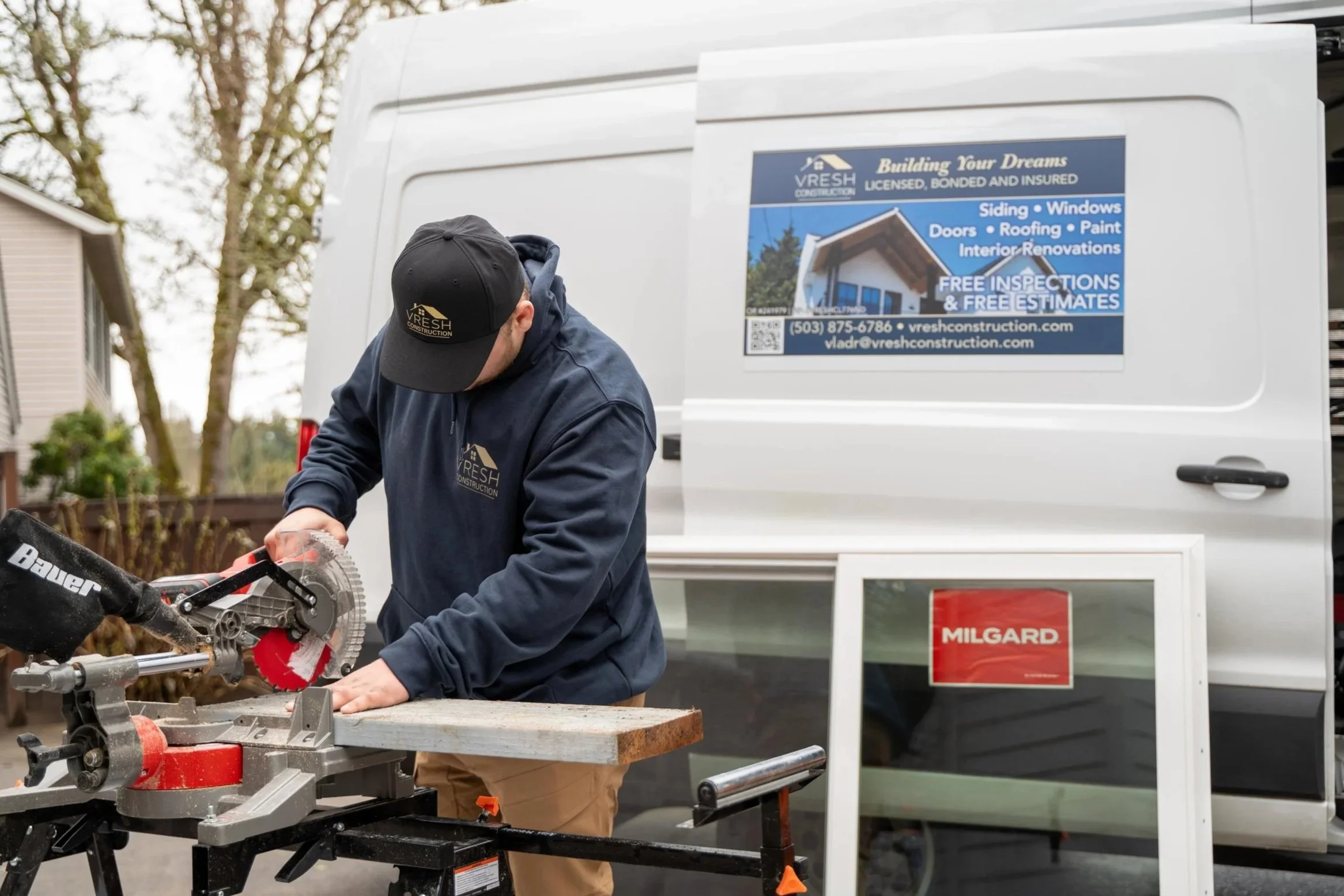
Owner-Supervised Always
Vlad is on every shower project, start to finish
Waterproofed Right
Proper slope, a continuous membrane, and the correct drain
Flood-Tested Before Tile
The pan holds water overnight before a single tile goes on
Curbed, Curbless & Conversions
Tub-to-shower conversions, with waterproofed niches and benches
Licensed & Insured
OR #241979 | WA #VRESHCL776ND
Written Estimates Only
Scope and cost confirmed before any work begins
(503) 272-6436 — Call or Text, Available 24/7
We answer calls and texts at any hour. For storm damage, active leaks, or structural emergencies, calling directly is the fastest path to a response.
Shower Styles We Build
Standard Curbed Shower
The classic tiled shower with a curb at the entry to contain water. It is the most straightforward to build and waterproof and fits the widest range of bathrooms and budgets.
Curbless, Barrier-Free Shower
A shower with no curb, so the floor runs flat into the shower for a clean, open, walk-in look that is also aging-in-place and wheelchair friendly. It requires recessing the floor framing and usually a linear drain, and precise waterproofing, so it is a build where technique really matters.
Tub-to-Shower Conversion
Removing a little-used tub and replacing it with a larger, more usable tiled shower is one of the most popular bathroom updates we do. We handle the plumbing changes, framing, waterproofing, and tile to turn that space into a shower you will actually use.
Niches, Benches & Details
Recessed niches for bottles, a built-in bench or corner seat, curbless linear drains, and accent tile bands all get waterproofed as part of the shell, not added as afterthoughts. A niche or bench that is not properly waterproofed is just another place for water to get in, so we build them into the membrane system.
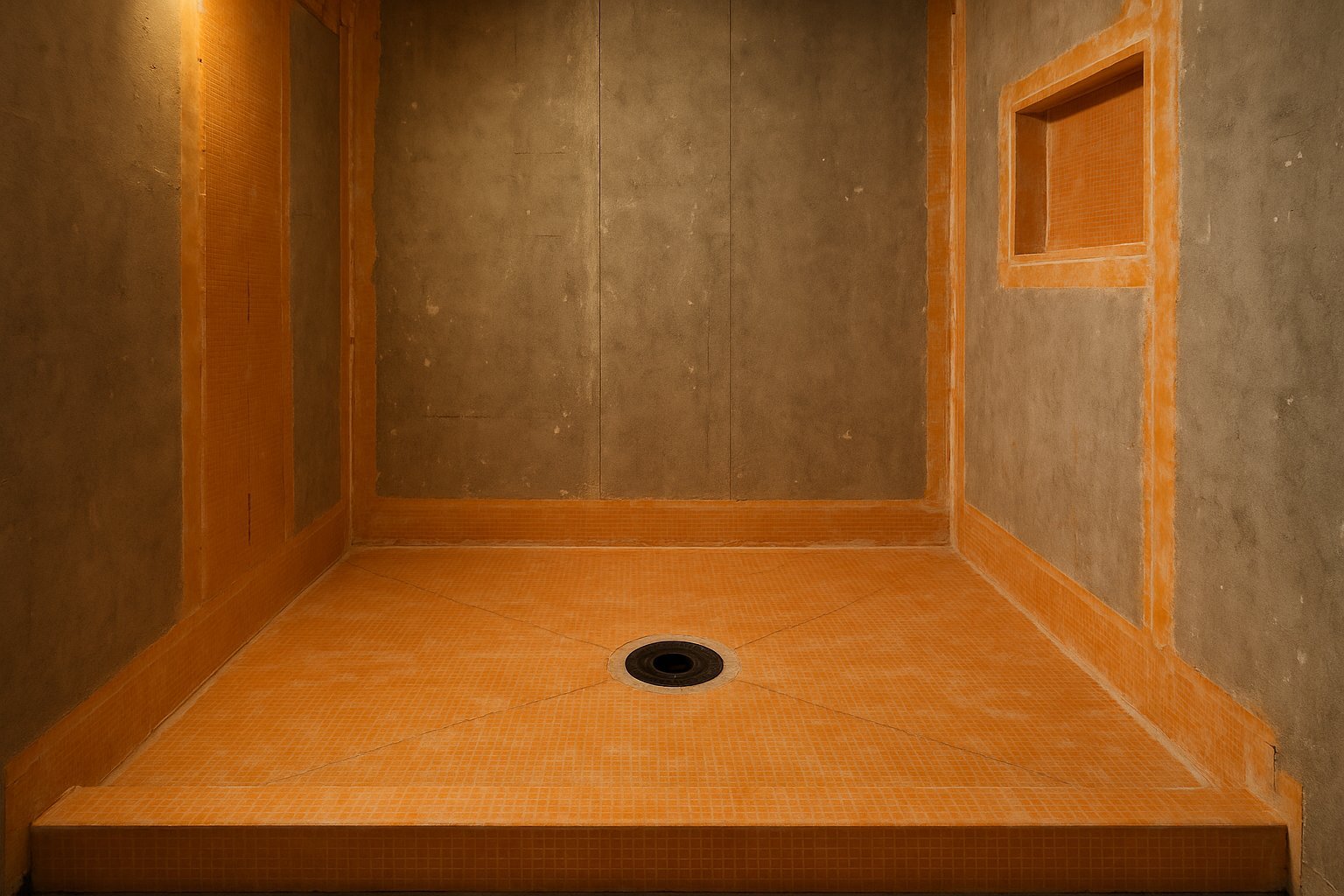
What Keeps a Shower Dry: Slope, Membrane & Drain
A tile shower does not stay dry because of the tile. It stays dry because of three things underneath it, and all three have to be done right. This is where a shower is truly built.
01
Slope
The shower floor has to slope evenly to the drain so water always runs off instead of pooling. That starts with a pre-slope under the waterproofing, not just a slope in the tile, so any water that reaches the membrane also drains. A flat or reverse-sloped pan is one of the most common reasons old showers hold water and fail.
02
Waterproofing Membrane
Behind and beneath the tile, we install a continuous waterproofing system — either a bonded sheet or liquid membrane over the correct backer, or a traditional pan liner over the pre-slope. The membrane, not the grout, is what actually keeps water out of your walls and floor. It has to be continuous and correctly sealed at every corner, seam, niche, and the drain.
03
Drain
The drain has to match the waterproofing method — whether that is a bonded-flange drain paired with a sheet membrane or a clamping, weep-hole drain paired with a pan liner. Getting the drain and the membrane to work together is what makes the whole assembly watertight, and it is a detail that budget installs routinely get wrong.
We Flood-Test the Pan Before Any Tile
We plug the drain, fill the pan with water, and confirm it holds overnight. If it holds, we tile. If it does not, we find and fix it then — not after your bathroom is finished. It is the step that proves the waterproofing works while a problem can still be corrected easily, and it is exactly the step budget installs skip.
04
05
Why Old Showers Leak
If your shower is showing these signs, the problem is usually behind the tile, and a surface fix rarely lasts. Knowing why helps explain why we build the way we do.
Loose or hollow-sounding tiles, grout that keeps cracking, caulk that will not stay put, a musty smell, or staining below the shower are almost always signs the waterproofing behind the tile has failed — not a grout problem. Grout is not waterproof. That is why a leaking shower usually needs to be rebuilt correctly rather than regrouted.
How a Tile Shower Project Works
What’s Included in a Tile Shower Installation
Every tile shower with VResh includes the items below. Add-ons and coordinated trades are noted, so there are no surprises on the estimate.
What a Tile Shower Costs in Portland
A tile shower is priced by its size, the waterproofing and drain system, the style, and the tile you choose. A standard curbed shower is the most economical build, while curbless barrier-free showers, larger footprints, custom niches and benches, natural stone tile, and premium glass push the cost up. Because so much of the work is the hidden waterproofing that makes the shower last, we price each build after seeing the space and the plumbing.
What Drives the Price
- Shower size and whether it is a new build, a rebuild, or a tub-to-shower conversion
- Style: standard curbed versus curbless barrier-free with a linear drain
- Waterproofing and drain system, and any framing or floor recessing
- Tile choice and layout, plus niches, benches, and accent work
- Plumbing changes and the glass enclosure
You will get a written, itemized estimate before any work begins — no verbal numbers and no pressure. To price your shower, request a free estimate or call or text (503) 272-6436.
Caring for Your Tile Shower
A properly built shower is easy to keep up, and a little routine care protects the grout and finish for the long run.
Squeegee After Showers
Wipe the walls after showers to cut down on hard-water spotting and soap scum, which keeps the tile and grout looking new.
Use a pH-Neutral Cleaner
Skip harsh acidic cleaners, which can damage grout and etch natural stone tile.
Run the Bath Fan
Ventilate during and after showers so the room dries out — good ventilation is the biggest factor in keeping mold away.
Keep the Caulk Fresh
Keep the caulk at the corners and along the base in good shape. A fresh bead where it has aged keeps water where it belongs.
With good ventilation and quality grout, a VResh shower asks very little beyond routine cleaning, and the waterproofing does its job out of sight for the life of the shower.


What Portland Homeowners Say
VResh Construction has completed more than 500 projects across the Portland metro with a 5.0 rating on Google. The reviews below are pulled live from our Google Business Profile, so what you see is current and unfiltered.

Serving Portland Metro Area
VResh Construction provides window replacement, siding installation, roofing, dry rot repair and full exterior renovation services throughout the Portland metro area and Southwest Washington.