
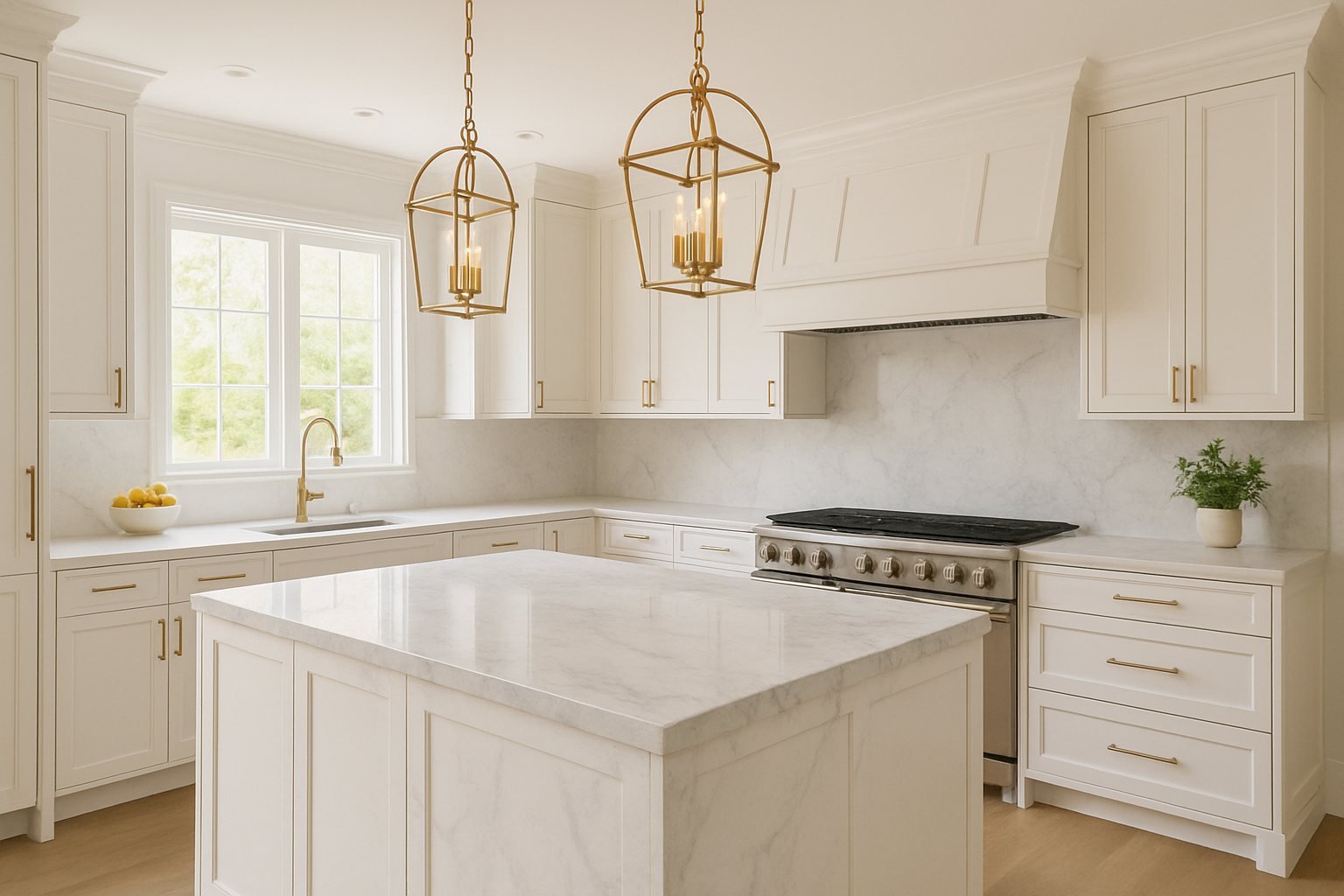
Marble Countertops in Portland, OR
Carrara, Calacatta & Statuario. Polished or Honed. Cut to a Cabinet-Height Template. Sealed on Install Day. Owner-Supervised. Licensed OR #241979 | WA #VRESHCL776ND.

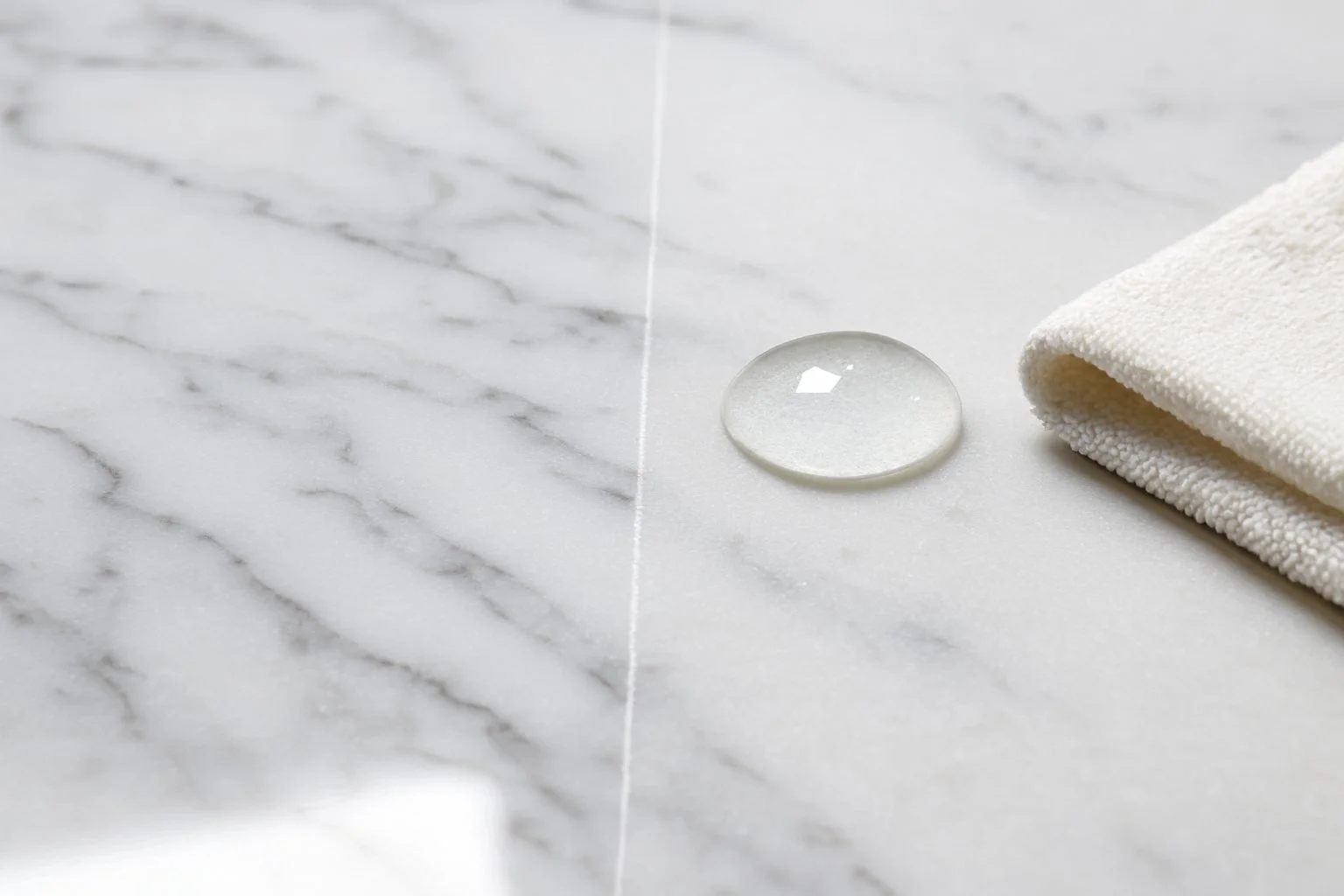
Marble is the countertop people fall in love with. Its bright ground and flowing veins are the look every other surface tries to copy, and no two slabs are alike. It is also the softest and most acid-sensitive of the stone counters, which means marble rewards a specific kind of owner: one who wants the real thing and welcomes the patina it earns over time. VResh installs marble with clear, upfront advice about finishes and care, so you choose it knowing exactly how it behaves. Then we help you pick the slab, template after your cabinets are level, coordinate fabrication, and seal it to give the stone the best possible start.
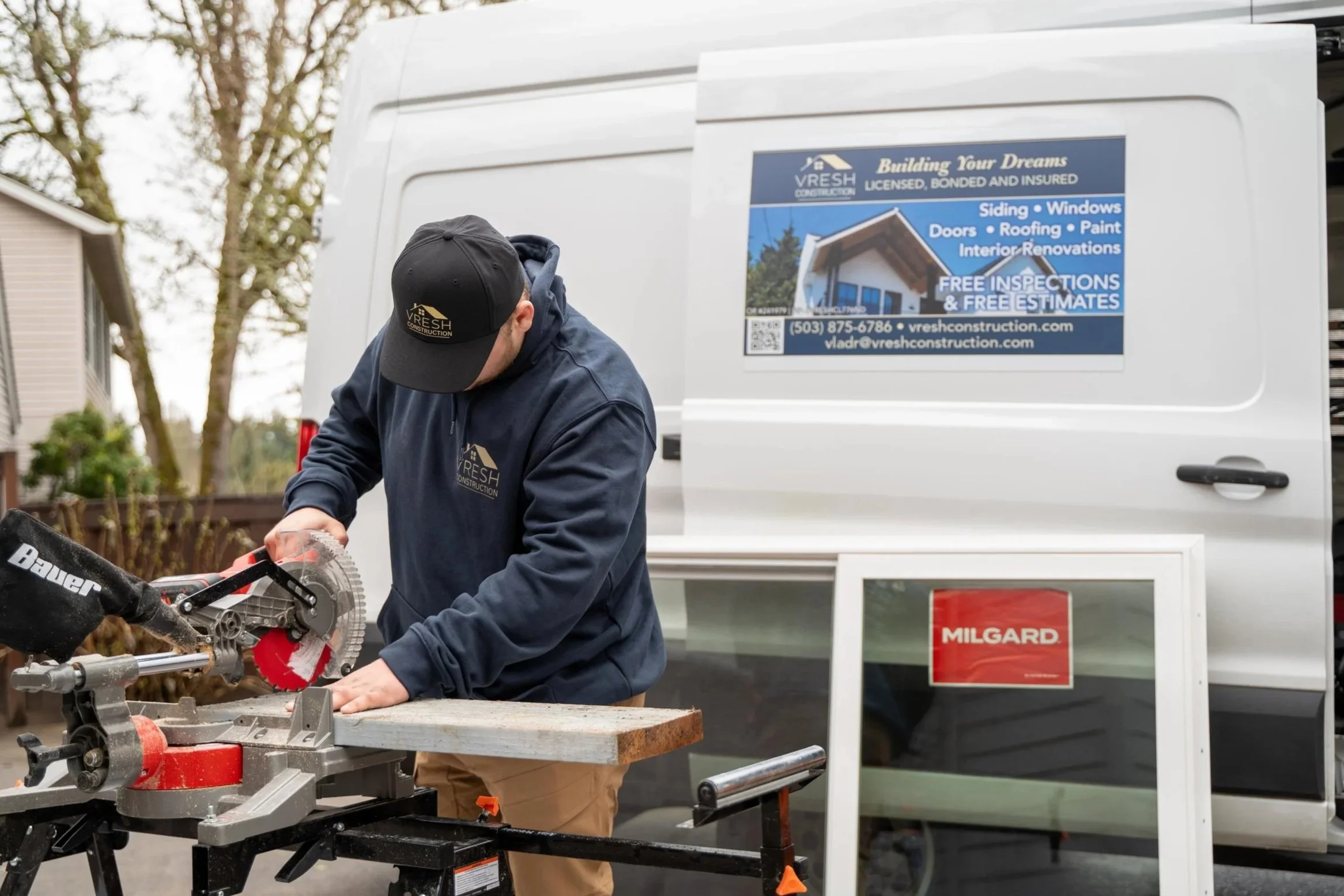
Owner-Supervised Always
Vlad is on every project, start to finish
In-House Crew & Vetted Fabricator
No rotating strangers in your kitchen
Honest Advice on Care
What marble does over time, told before you commit
Polished or Honed
The finish chosen to suit how you use your kitchen
Licensed & Insured
OR #241979 | WA #VRESHCL776ND
Written Estimates Only
Scope and cost confirmed before any work begins

(503) 272-6436 — Call or Text, Available 24/7
We answer calls and texts at any hour. For storm damage, active leaks, or structural emergencies, calling directly is the fastest path to a response.
Carrara, Calacatta, and Statuario: The Three Marbles to Know
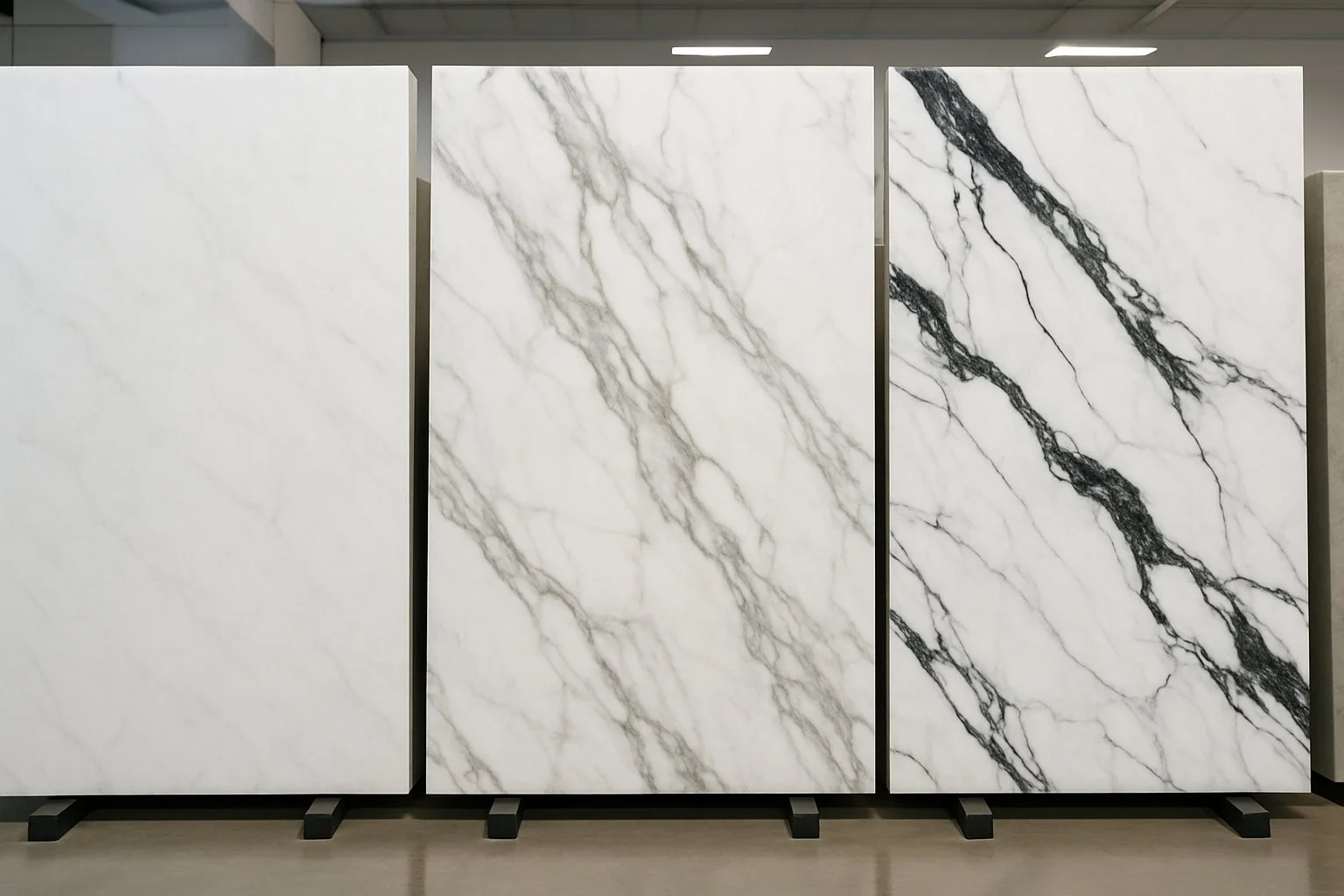
Most marble kitchens use one of three Italian marbles. They look alike in photos but differ in tone, veining, rarity, and price, and knowing them is the first step to choosing the right one.
Carrara
A grayish-white background with soft, fine, feathery gray veining. Carrara is the most widely available and most affordable of the three, and the classic understated marble. It reads calm and timeless rather than dramatic.
- Gray-toned white with soft, fine veining
- The most available and most affordable option
- Best for a classic, understated look
Calacatta
A whiter, brighter background with bolder, larger, more dramatic veining, often in warm gold or deep gray. Calacatta is rarer and more expensive than Carrara, and it is the choice when you want the marble to be a statement.
- Bright white with bold, dramatic veining
- Rarer and more expensive than Carrara
- Best for a statement island or feature counter
Statuario
Bright white with striking, high-contrast veining. Statuario is the rarest and most expensive of the three, prized for luxury kitchens and dramatic islands where the stone is meant to be the centerpiece.
Carrara reads calm and classic; Calacatta and Statuario read bold and luxurious. There are colored marbles beyond these three as well. Because veining varies from slab to slab, we always have you view the actual stone before it is cut.
- Bright white with high-contrast, luxurious veining
- The rarest and most expensive of the three
- Best for high-end, showpiece kitchens
Polished or Honed
Marble comes in two main finishes, and the choice matters more than it does with other stones. Polished is glossy and deepens the color and veining for the traditional luxury look, but it shows etch marks more, because a dull etch stands out against the shine. Honed is a matte finish with a softer look, and it hides etching better because the surface is already matte. Honed is the popular kitchen choice for that reason. To be clear, honed does not resist etching; it disguises it, and it can absorb slightly more if it is not kept sealed.
Where Marble Makes the Most Sense
Marble does not have to be an all-or-nothing choice. Many Portland homeowners use it in the spots where it looks best and pair it with a tougher surface where the kitchen works hardest. It is beautiful as a full kitchen counter for those who embrace the patina, and it is a favorite for baking stations, since its naturally cool surface is ideal for rolling pastry and dough. Marble is at its easiest in bathrooms, where there is little acid to cause etching, on vanities and shower surrounds, and it makes an elegant fireplace surround. A common approach is a quartz or granite perimeter with a marble island or baking area, so you get the look without asking marble to survive every spill.
How Marble Compares to Quartz and Granite
Marble is the softest and most maintenance-heavy of the countertop stones, and also the one with the most coveted look. Quartz can imitate marble's veining and never etches, stains, or needs sealing, so marble-look quartz is the practical route to the look for a busy kitchen. Granite is much harder and far less acid-sensitive, but it does not offer marble's bright, flowing veining. Real marble is for the owner who wants the genuine stone and accepts that it will show life; the alternatives trade that authenticity for durability and lower upkeep. We are happy to show you marble next to a marble-look quartz so you can decide with both in front of you.
How a Marble Countertop Project Works
Marble is fabricated off-site from the exact slab you choose, then installed and sealed. Here is what the process looks like from the first call to the final walkthrough.
What's Included in a Marble Countertop Installation
Every marble project with VResh includes the items below. Add-ons and coordinated trades are noted so there are no surprises on the estimate. A like-for-like countertop replacement usually does not require a permit. Projects that relocate the sink, move plumbing, or change the kitchen layout may need one, and we flag that during the estimate and handle any permit as part of the work.
What Marble Countertops Cost in Portland
VResh installs marble countertops from $80 to $175 per square foot, installed, the widest range of any countertop we offer. The single biggest factor is the marble you choose: Carrara sits at the lower end, while Calacatta and Statuario are rarer and reach the top of the range. Finish and fabrication details account for the rest.
What Drives the Price
- Marble variety: Carrara is the most affordable; Calacatta and Statuario are premium
- Finish: polished and honed are both standard; specialty finishes or anti-etch treatments add cost
- Edge profile: standard eased and bullnose edges are included; ogee, mitered, and waterfall edges add fabrication time
- Cutouts and seams: each cutout adds labor, and larger kitchens or book-matched islands need seams
- Slab rarity: dramatic, high-movement slabs cost more than common ones even within the same variety
- Removal and disposal: included with us, but worth confirming on any quote you compare
What moves the price within that range: You will get a written, itemized estimate before any work begins, with no verbal numbers and no pressure. To price your specific kitchen, request a free estimate or call or text (503) 272-6436.
Caring for Your Marble Countertops
Marble care comes down to two different things, staining and etching, and knowing the difference makes it manageable.
Sealing, which is stain defense
We seal the marble at install, and you reseal regularly, more often than granite for many marbles. Sealing slows staining, but it does not stop etching.
Wipe up spills quickly, especially oil, wine, and coffee, and blot rather than smear so nothing soaks in.
Keep acids off the surface: lemon, vinegar, tomato, wine, and acidic cleaners cause dull etch marks. Use cutting boards and trivets, and clean only with a pH-neutral stone cleaner.
Honed marble hides etch marks better; polished shows them more. Either way, light etching can usually be polished out by a professional.
Expect and embrace a patina. In a working kitchen, marble develops character over time, and for the people who love marble, that is part of the appeal.
If a flawless surface matters more to you than the material itself, honed marble or marble-look quartz is the kinder choice. If you want the real stone, this routine keeps it beautiful for years.
Etching vs Staining: The Honest Truth About Marble
Etching vs Staining: The Honest Truth About Marble
This is the one thing to understand before choosing marble. Staining is when a liquid soaks in and discolors the stone; sealing slows it, and wiping spills promptly prevents most of it. Etching is different: acids like lemon, wine, vinegar, tomato, and some cleaners react with the marble and leave a dull spot, and sealing does not prevent etching, because it is a surface reaction, not absorption. Light etch marks can often be polished out by a professional. The takeaway is simple: marble will earn a patina in a working kitchen. If you love that lived-in character, marble is wonderful. If you want it to stay flawless, honed marble hides the most, or marble-look quartz gives the look with none of the etching.


What Portland Homeowners Say
VResh Construction has completed more than 500 projects across the Portland metro with a 5.0 rating on Google. The reviews below are pulled live from our Google Business Profile, so what you see is current and unfiltered.

Serving Portland Metro Area
VResh Construction provides window replacement, siding installation, roofing, dry rot repair and full exterior renovation services throughout the Portland metro area and Southwest Washington.