Tilt-and-Turn Window Installation in Portland, OR
Tilt for Secure Ventilation. Turn to Open Fully Inward. Multi-Point Locking and Compression Seals. Owner-Supervised Installation. Licensed OR #241979.
A tilt-and-turn window does two jobs with one handle. Turn the handle sideways and the sash swings into the room on side hinges, like a small door, for full airflow, emergency escape, or cleaning the outside glass. Turn the handle up, and the sash tilts in a few inches from the top, letting air in while the window stays locked at the bottom. The design has been standard in Europe for decades and is now built for the U.S. market by several manufacturers.
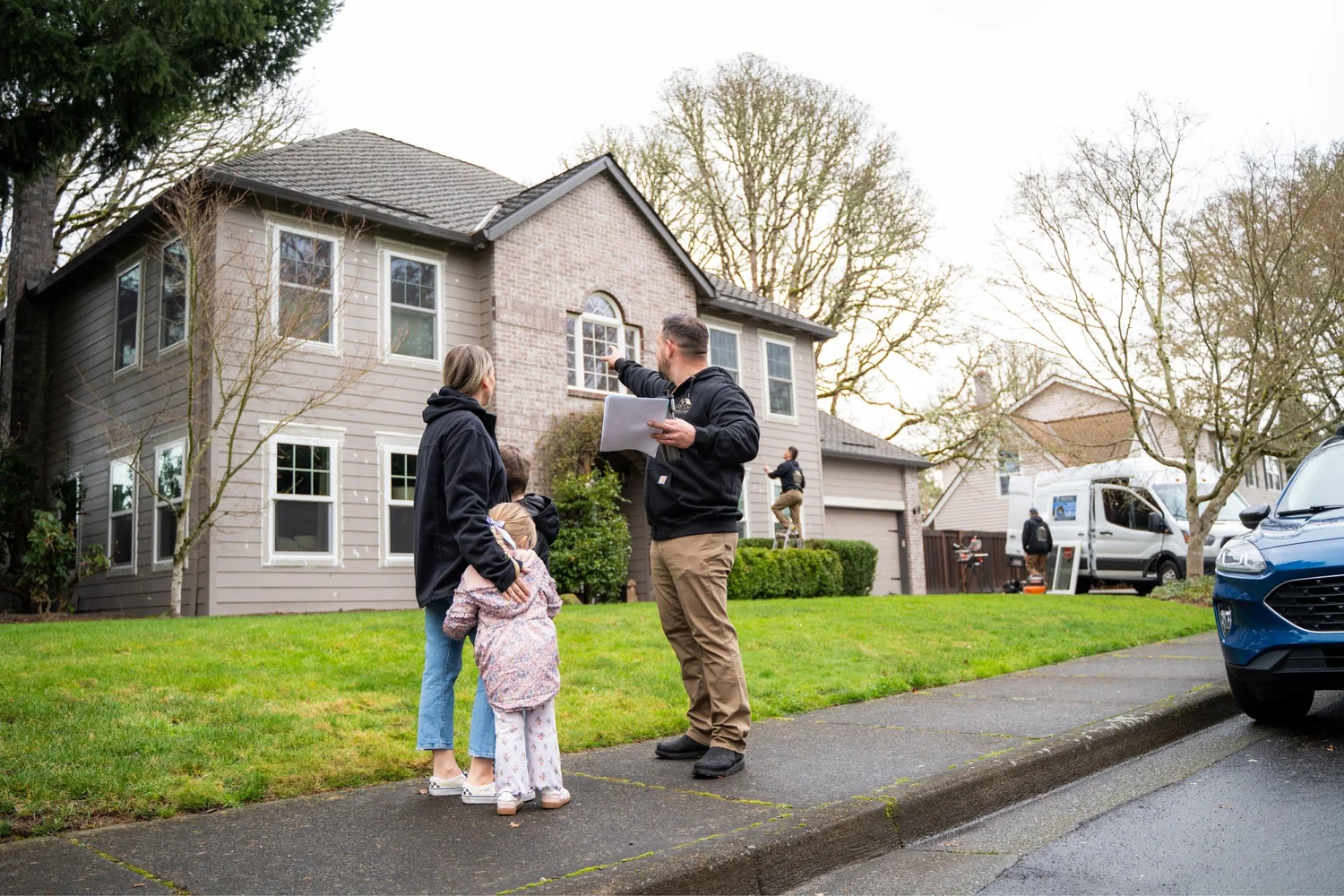
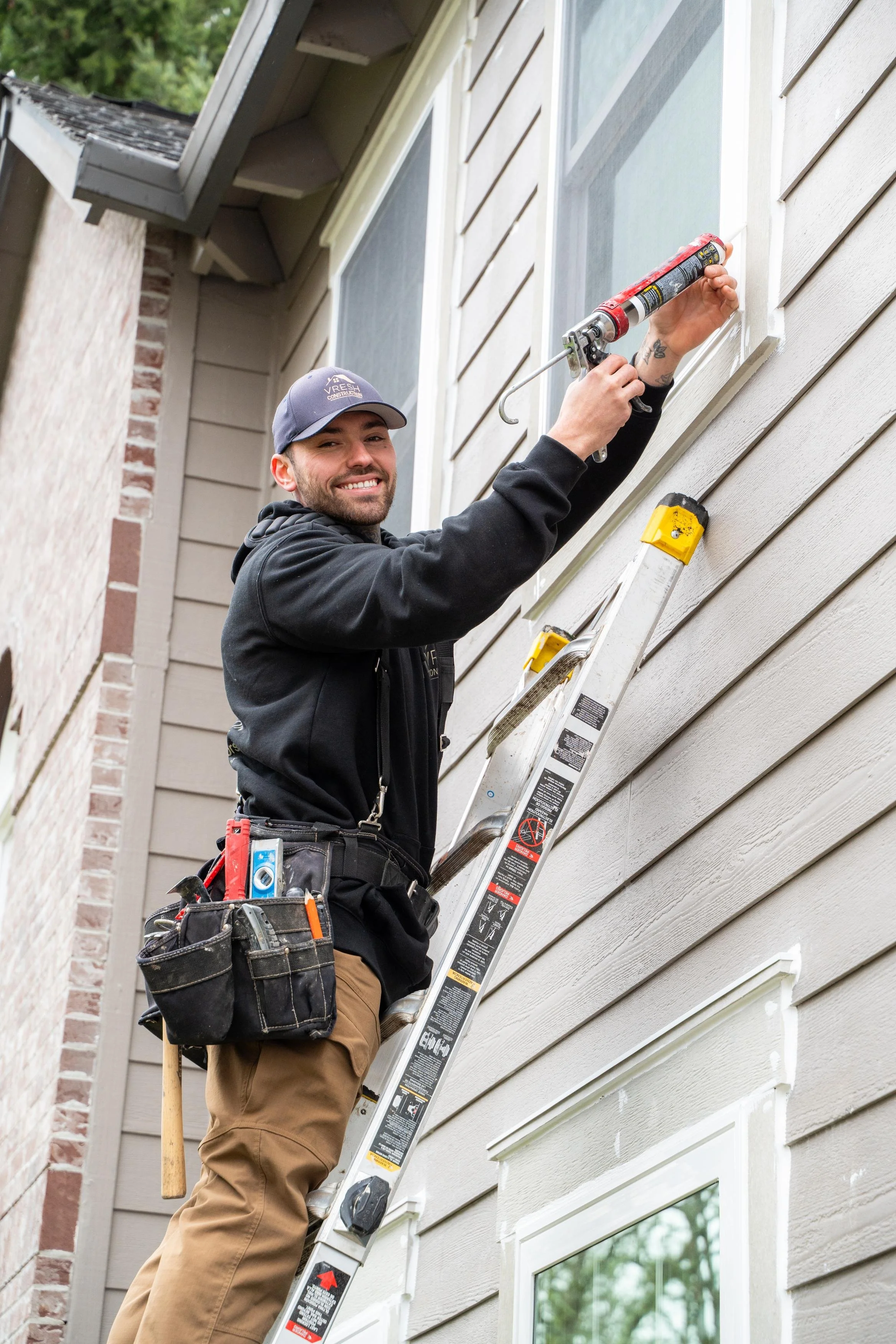
VResh installs tilt-and-turn windows in Portland-area homes as full-frame replacements and in new or enlarged openings. Because these windows open inward and are deeper and heavier than most American windows, the installation needs more planning than a standard swap: interior clearance, window treatment placement, jamb depth, and sill drainage all have to be worked out before anything is ordered. Vlad checks each opening in person and tells you plainly whether tilt-and-turn is the right choice for that room, or whether a casement window would serve you better.
(503) 272-6436 — Call or Text, Available 24/7
We answer calls and texts at any hour. For storm damage, active leaks, or structural emergencies, calling directly is the fastest path to a response.
Why Tilt-and-Turn Windows Work for Portland Homes
01. Ventilation Through the Rainy Months
Portland averages about 37 inches of rain a year, and the wet stretch runs from fall well into spring. In tilt mode, the opening is at the top of the sash and faces up into the window head, so light rain falls on the outside of the glass rather than into the room. That means you can keep a bedroom, bathroom, or kitchen ventilated on a drizzly day without leaving a window wide open or unlocked. During driving storms, close it; no operable window is designed to stay open in wind-blown rain.
02. A Tight Seal When Closed
When the handle is locked, the hardware pulls the sash into compression gaskets at multiple points around the frame, not at one or two latches. This compression seal holds up much better against air leakage and wind-driven rain than the sliding weatherstrips used on double-hung and sliding windows, which wear as the sash rubs past them. It is the same reason tilt-and-turn windows are a common choice for very energy-efficient homes. Most units are also built to carry double- or triple-pane glass, and the deep frames leave room for it.
03. Security on Ground Floors
Perimeter locking makes a tilt-and-turn window hard to pry open from outside, because there is no single latch to defeat. In tilt mode, the sash is still locked at the bottom and held by stay arms at the top, so you can leave a ground-floor window venting while you are out of the room. For homes near sidewalks, alleys, or busy streets, that combination of airflow and security is a real advantage over a sliding window left cracked open, which can often be pushed wider from outside.
04. Easy Cleaning on Upper Floors
Because the sash swings into the room, both sides of the glass can be cleaned from inside. For second-story windows, windows over a roof or deck, or windows behind landscaping, there is no ladder work and no need to pay someone to clean the outside glass. That matters in Portland, where pollen in spring and road grime during the wet months quickly build up on exterior glass. The same inward swing makes it easy to reach the gaskets and hardware for the once-a-year wipe-down and lubrication these windows need.
Tilt-and-Turn Modes and Configurations
Every tilt-and-turn window operates on a single handle. Handle down, the sash is locked at every point. Handle sideways, it swings in on side hinges and opens fully. Handle up, it tilts in from the top and leaves a gap of a few inches at the head. A built-in safety lock prevents the sash from tilting and turning simultaneously, so it cannot come off its hinges, and lockable handles are available for children's rooms.
Single Tilt-and-Turn
One operable sash, hinged on the left or right. The most common setup, used in bedrooms, kitchens, bathrooms, and stairwells. Sizes range from small bathroom units to tall windows that open floor-to-ceiling.
Tilt-and-Turn With Fixed Panel
An operable tilt-and-turn sash joined to one or more fixed panes. Gives a wide, clean expanse of glass in a living room while keeping one section that opens. A good choice where a picture window is wanted but the room still needs airflow.
Double Tilt-and-Turn (Center Opening)
Two sashes that meet in the middle. One works as a full tilt-and-turn; the other opens once the first is open, leaving a wide, unobstructed opening with no fixed center post. Common in larger rooms and where furniture or equipment needs to pass through.
Tilt-Only
The sash tilts in from the top but does not swing open. Used high on a wall, over a tub, or in a basement where a full swing is not needed. Tilt-only units do not count as egress windows.
Tilt-and-Turn Door
The same hardware on a full-height glass door, usually opening onto a balcony or small patio. It can be tilted for ventilation without opening the door. Vlad confirms at the estimate whether one suits your opening.
Frames come in vinyl (multi-chamber and often steel-reinforced on larger sizes), fiberglass, thermally broken aluminum, wood, and aluminum-clad wood. Vlad helps you match frame material to your home's style, exposure, and budget.
Tilt-and-Turn Window Installation — What the Project Involves
What to Plan for Before You Choose Tilt-and-Turn
Tilt-and-turn is not the right answer for every room. These are the points we go over with every homeowner before ordering.
Room for the Sash to Swing In
In turn mode, the sash swings into the room, so the floor space and wall space in front of the window need to stay clear. Furniture pushed against the wall, a kitchen faucet under the window, a radiator, or a deep sill shelf can block it. We measure the swing path of every opening and mark which side the hinges should go on, so the open sash lands against a wall rather than in a walkway.
Blinds and Curtains
A blind mounted inside the window frame will block the sash. The usual options are blinds or shades mounted on the sash itself, which move with the window, or treatments mounted high and wide on the wall so they clear the opening. Plan this before the window goes in, not after, because sash-mounted blinds are easier to order alongside the window.
Lead Time
Tilt-and-turn windows are usually built to order. Lead times commonly run about 8 to 16 weeks from order to delivery, longer for custom colors, large sizes, or imported units, so order early if you are planning a remodel or sale. The delivery estimate comes in writing with the quote.
Matching Your Home's Style
Tilt-and-turn windows have a clean, modern look that suits contemporary homes, mid-century houses, ADUs, and modern additions. On a Craftsman bungalow or a Victorian, they can look out of place from the street. For those homes, a period-correct casement or double-hung window is usually the better choice. If your home is in a historic district, check the exterior rules for Portland historic districts first.
Tilt-and-Turn Windows as Egress Windows
Oregon's Egress Requirements
In turn mode, a tilt-and-turn window opens fully, like a casement, so most of the frame opening is clear. That makes it a strong choice for a bedroom that needs an emergency escape opening. Under Oregon code, an egress window needs a net clear opening of at least 5.7 square feet (5.0 square feet at grade-floor level), at least 24 inches of clear height and 20 inches of clear width, and a sill no higher than 44 inches above the floor.
What Changes With an Inward-Opening Sash
The room side of the window has to stay clear so the sash can actually swing open in an emergency; a bed or dresser against the wall defeats the purpose. Tilt-only units do not qualify. If you are adding or enlarging a bedroom window, Portland requires a permit to cut the new or larger opening. See our egress window installation page, and we will size the tilt-and-turn unit so the clear opening meets code with room to spare.
Energy Performance and Rebates
Glass Packages for Portland's Climate
Tilt-and-turn windows are among the best-performing operable windows for air tightness because of their perimeter compression seals. Most can be ordered with double-pane or triple-pane low-E glass, warm-edge spacers, and gas fills. For Portland's mild but long heating season, a good double-pane low-E package is usually enough; triple-pane is worth it for street noise, north-facing rooms, or very energy-efficient builds.
Utility and State Incentives
Window upgrades may qualify for utility or state incentives, and the rules change often. Check our guide to window rebates for Portland and Vancouver utilities before you order, since some programs require approval first.


Client's Talk
Serving Portland Metro Area
VResh Construction provides window replacement, siding installation, roofing, dry rot repair, and full exterior renovation services throughout the Portland metro area and Southwest Washington.
Portland Metro — Oregon
- Portland, OR
- Oak Grove, OR
- Cedar Mill, OR
- King City, OR
- Happy Valley, OR
- Clackamas, OR
- Milwaukie, OR
- Gresham, OR
- Wood Village, OR
- Scappoose, OR
- Sandy, OR
- Newberg, OR
- Estacada, OR
- Lake Oswego, OR
- Beaverton, OR
- Hillsboro, OR
- Tigard, OR
- Sherwood, OR
- West Linn, OR
- Oregon City, OR
Southwest Washington
Extended Service Areas
Tilt-and-Turn Window FAQs — Portland Homeowners
How much do tilt-and-turn windows cost in Portland, OR?
Tilt-and-turn windows typically cost about $1,000 to $2,500 per window installed in the Portland metro, with large, triple-pane, wood-clad, or custom-color units costing more. They usually cost more than double-hung or sliding windows and somewhat more than a casement of similar size and quality. Any rot repair or opening changes are priced separately. We provide an itemized written estimate after measuring every opening.
What is the difference between a tilt-and-turn window and a casement window?
Both are hinged on the side and seal with compression gaskets. A casement swings outward on a crank; a tilt-and-turn swings inward on a handle and also tilts in from the top for secure ventilation. Casements catch side breezes and need no interior clearance. Tilt-and-turn windows vent in light rain and clean easily from inside, but need room for the sash to swing.
Can I leave a tilt-and-turn window open when it rains?
In tilt mode, yes, in light rain. The opening is at the top of the sash and angled into the window head, so light rain falls on the outside of the glass. Close it in wind-driven rain, and never leave it open in turn mode when it rains.
Do tilt-and-turn windows meet egress code?
They can. In turn mode, the sash opens fully, so a correctly sized unit clears Oregon's 5.7-square-foot net clear opening minimum (5.0 at grade-floor level) along with the height, width, and sill limits. Tilt-only windows do not qualify. We size every bedroom window to meet code.
Will blinds work with tilt-and-turn windows?
Yes, as long as they do not sit inside the frame where the sash swings. Sash-mounted blinds that move with the window, or treatments mounted high and wide on the wall, both work well.
How long does it take to get tilt-and-turn windows?
Most are built to order, so expect roughly 8 to 16 weeks from order to delivery. Installation usually takes 3 to 5 hours per window, depending on size and any repair work, and a whole-house job typically runs 1 to 3 days.
Are tilt-and-turn windows hard to maintain?
No. Wipe the gaskets, keep the weep openings at the bottom of the frame clear, and lubricate the hardware about once a year. The hinges and locking points are adjustable, so a sash that starts to rub can usually be fixed with an adjustment instead of new parts.
Can tilt-and-turn windows replace my existing windows in the same openings?
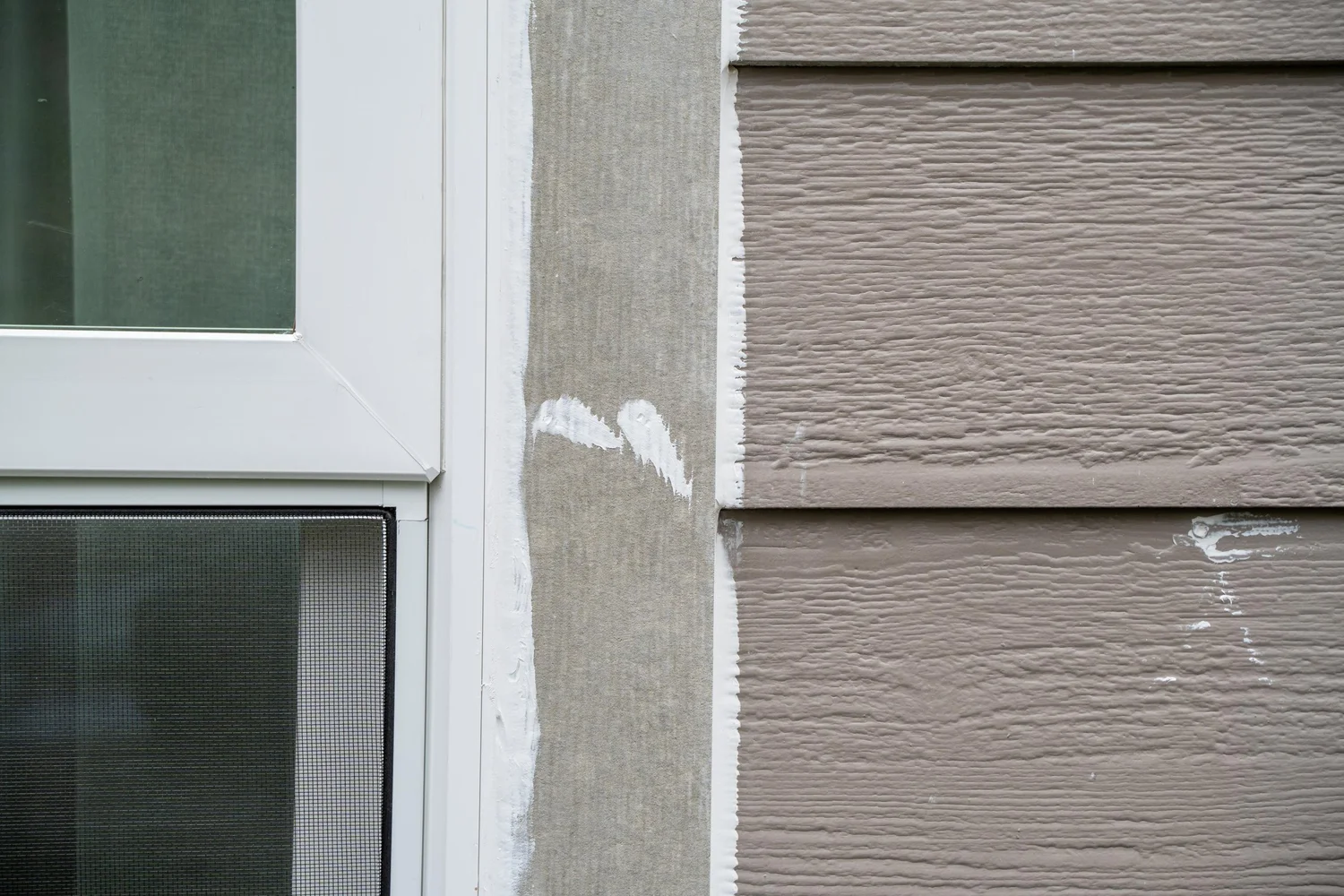
In most cases, yes. We do full-frame replacement, which lets us inspect and repair the rough opening and install proper sill pan and head flashing. Tilt-and-turn frames are often deeper than the old window, so jamb extensions or new interior trim may be needed. Enlarging an opening means cutting the framing and may require a permit; Vlad will confirm in the estimate. See our window replacement page for how we handle full projects.
Get a Free Window Estimate
Vlad comes out, measures every opening, checks the swing clearance and wall depth, and gives you a straight written quote with a delivery estimate. No sales pressure and no commitment required.
- Same-day response on all estimate requests
- No commission-based sales, just honest quotes
- Licensed OR #241979 · WA #VRESHCL776ND
- EPA Lead-Safe Certified for pre-1978 homes
- Sill pan and head flashing on every installation