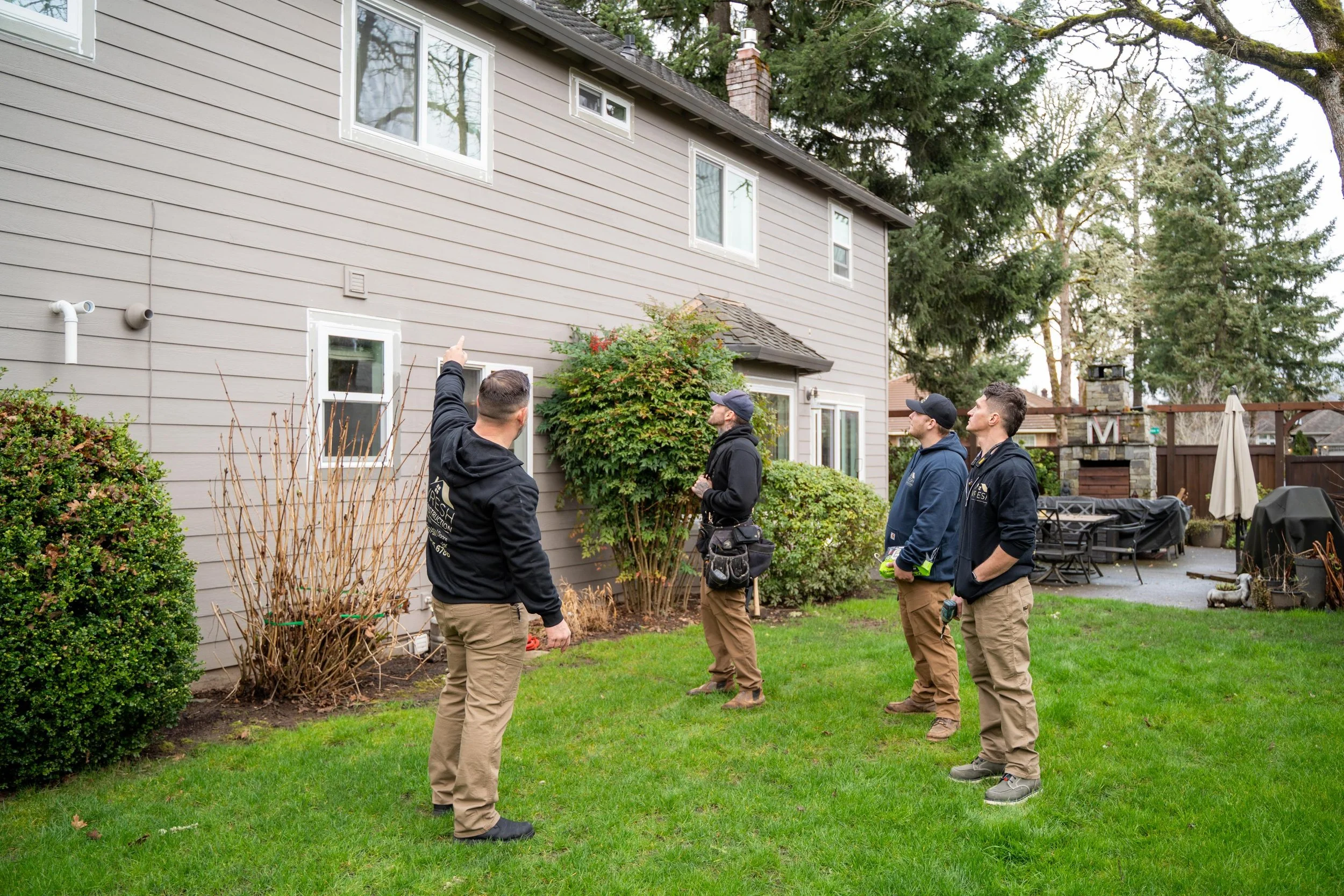
Window Frame Materials for Portland Homes: Vinyl, Fiberglass, Wood and More
Vinyl, Fiberglass, Wood, Aluminum-Clad Wood and Thermally Broken Aluminum Compared. Straight Advice From the Contractor Who Installs Them. Licensed OR #241979.
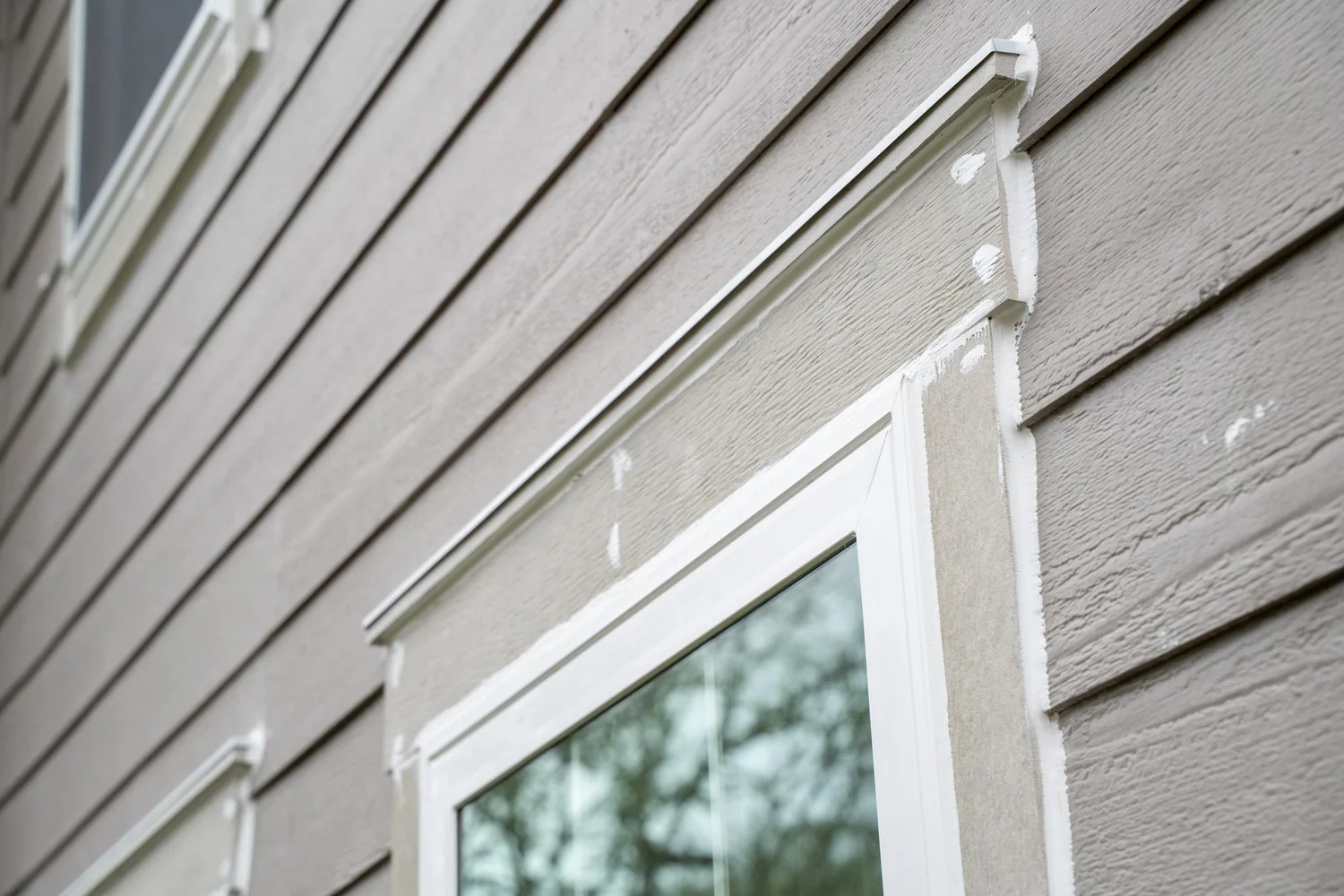
The frame is the part of a window that decides how long it lasts, how much upkeep it needs, and how it looks from the street. The glass package matters too, but you can put the same low-E double-pane glass in a vinyl, fiberglass, wood or aluminum frame and get five very different windows. Most homeowners we meet have heard a sales pitch for one material and want an honest comparison of all of them.
This page is that comparison, written for Portland's climate and housing stock. VResh installs every material covered here, and we do not earn commission on any of them, so Vlad's recommendation at the estimate comes down to your house, your budget, and how long you plan to stay. For window styles rather than materials, start at our window replacement and installation page.
(503) 272-6436 — Call or Text, Available 24/7
We answer calls and texts at any hour. For storm damage, active leaks, or structural emergencies, calling directly is the fastest path to a response.
Why Frame Material Matters in Portland's Climate
01. A Long, Wet Season
Portland gets about 37 inches of rain a year, most of it from October through May, and many days stay damp even when it is not raining. Any frame material that absorbs water needs a sound finish and regular care to remain so. That is the main reason wood windows fail here, and why unpainted sills and bottom rails on older windows are where we find the most rot. Materials that shed water, such as vinyl, fiberglass, and aluminum, still require good flashing because rain that gets around the frame rots the wall instead.
02. Mild Winters With Hot Summer Spikes
Portland's heating season is long but rarely severe, so most homes do well with double-pane low-E glass in any good frame; triple-pane is usually worth it only for noise or very energy-efficient builds. Summer heat waves are the bigger test for some materials. Vinyl expands and contracts more than other frame materials, which is one reason dark vinyl colors are limited or need special formulations on sunny west and south walls. Fiberglass moves with the glass, so it handles those swings with less stress on the seals.
03. Condensation on Older Aluminum Windows
Many Portland homes from the 1960s through the 1980s still have aluminum windows without a thermal break. The metal frame gets cold enough in winter to collect condensation, which drips onto sills and walls, feeding mold and rot. Homeowners often wipe the sills every morning from November to March. Replacing those windows with insulated frames usually solves the problem and is one of the most noticeable comfort upgrades we make. Today's aluminum windows are built with a thermal break, which is a different product from the ones currently on the market.
04. Older and Historic Houses
Many Portland neighborhoods were largely built out before World War II, with wood windows that define the look of Craftsman, Foursquare, and Victorian homes. On these houses, material choice affects curb appeal and resale and, in a historic district, may affect what you are allowed to install. Frame thickness and profile matter as much as the material name: a fiberglass window with a narrow, traditional profile can look closer to the original than a bulky wood replacement. We look at the house from the street with you before recommending a material.
Window Materials Compared
The prices below are typical installed costs per standard-size window in the Portland area for full-frame replacement with our flashing details. A standard vinyl window runs about $800 to $1,400; smaller vinyl sliders, awnings and double-hungs can start around $500. Large, custom-shaped or specialty units cost more, and rot repair is priced separately. Most windows are built to order, so expect several weeks from order to delivery, longer for wood, clad wood and custom colors.
Vinyl
Fiberglass
Wood
Aluminum-Clad Wood
Aluminum (Thermally Broken)
Expected lifespans are general ranges and depend heavily on exposure, installation quality, and maintenance. A cheap window in any material can fail early, and a well-built, well-flashed window usually outlasts these numbers.
Choosing and Installing New Windows — What the Project Involves
Each Material Up Close
Vinyl
Vinyl is the most common replacement window in Portland and the best value for most homes. Multi-chamber frames insulate well, never need paint, and handle rain without complaint. The trade-offs are wider frames that show less glass, a plastic look that suits ranch and newer homes better than period houses, and limited dark exterior colors. Quality varies widely across product lines, so we consider frame construction, welded corners, and price.
Fiberglass
Fiberglass frames expand and contract at nearly the same rate as glass, so they remain stable during hot and cold spells and maintain their seals well. They are stronger than vinyl, which allows slimmer frames and larger units, and they can be painted. Fiberglass costs more than vinyl but is often the best long-term choice when you want dark colors, big openings or a narrower profile.
Wood
Wood looks right on older homes, insulates well and can be built with true divided lites and traditional profiles. It is also the most demanding material in this climate: exterior paint has to be kept up, and sills need attention before small cracks become rot. For many original old-growth wood windows, restoration or repair is worth considering before replacement.
Aluminum-Clad Wood
Clad wood windows have a wood interior and a factory-finished aluminum shell on the outside. You get the look and feel of wood inside, plus a low-maintenance exterior that does not require regular painting. The weak point is water getting behind the cladding due to poor installation, so flashing and sealing details matter even more than usual.
Thermally Broken Aluminum
Modern aluminum windows separate the inside and outside of the frame with an insulating break, which solves most condensation problems associated with old aluminum windows. Aluminum allows the slimmest frames of any material and suits contemporary homes and large glass walls. It is still the least-insulating option here, so it suits homes where the look matters most.
Noise, Brands and Mixing Materials
Reducing Street Noise
For noise, the glass usually matters more than the frame. Laminated glass or panes of different thickness reduce traffic noise noticeably. Denser frames such as fiberglass and wood help a bit, and an airtight installation helps a lot. If you live near a busy street, MAX line, or flight path, tell us at the estimate, and we will price an acoustic glass option.
A Word on Brands
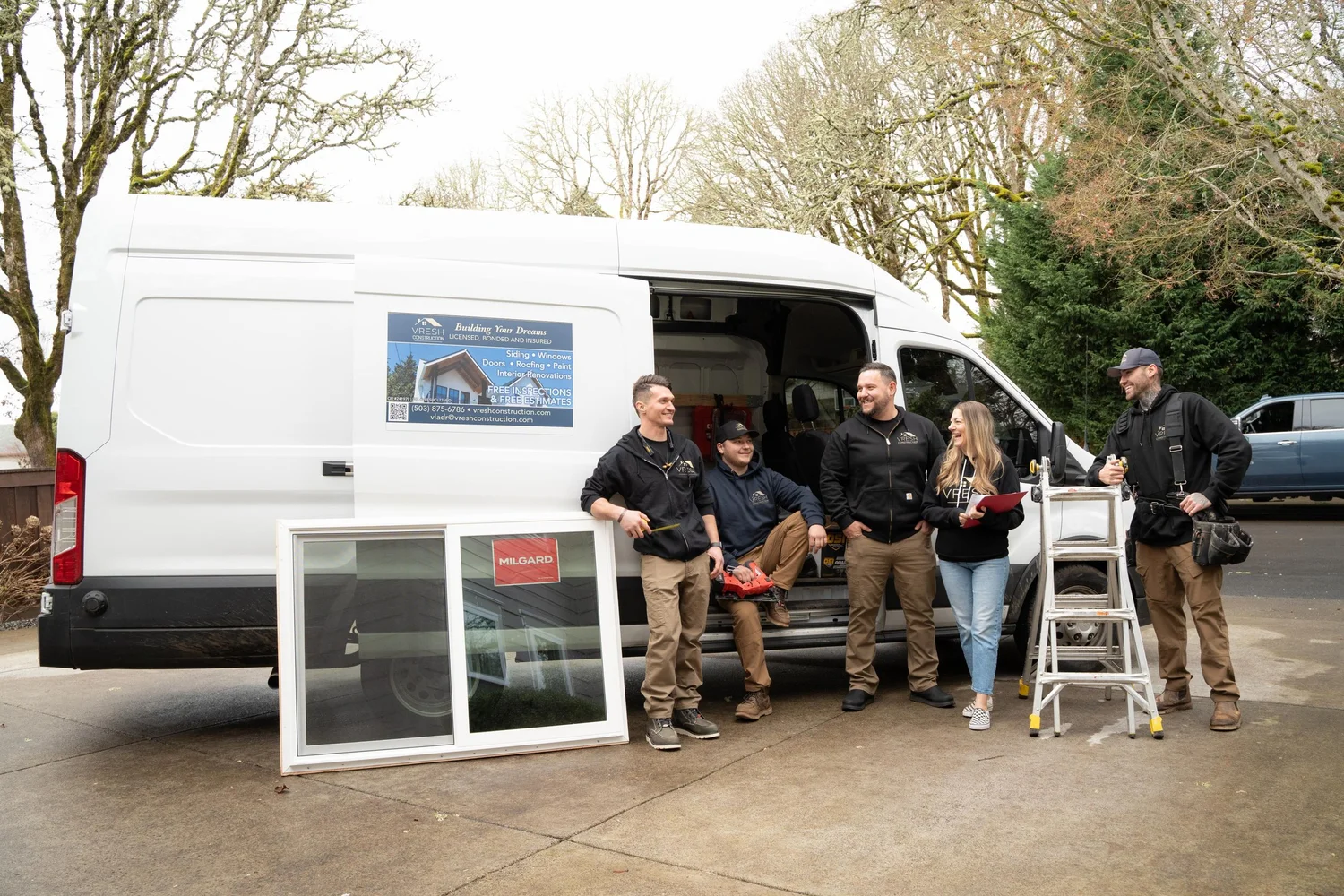
Most major manufacturers build windows in more than one material. Milgard, for example, makes vinyl, fiberglass, aluminum and wood-interior lines, and VResh is a Milgard Warranty Service Provider. See our Milgard windows page for details. We install other brands as well and will quote the product that fits your house, not the one with the best margin.
Mixing Materials on One House
Using two materials on one house is common and sensible. Wood or clad wood on the street-facing front maintains the historic look, while vinyl or fiberglass on the back and sides controls costs. We match sightlines and colors so the difference is hard to spot.


Client's Talk
Serving Portland Metro Area
VResh Construction installs vinyl, fiberglass, wood, clad wood, and aluminum windows, and handles the doors, siding, and rot repair that go with them, across the Portland metro area and Southwest Washington.
Portland Metro — Oregon
- Portland, OR
- Oak Grove, OR
- Cedar Mill, OR
- King City, OR
- Happy Valley, OR
- Clackamas, OR
- Milwaukie, OR
- Gresham, OR
- Wood Village, OR
- Scappoose, OR
- Sandy, OR
- Newberg, OR
- Estacada, OR
- Lake Oswego, OR
- Beaverton, OR
- Hillsboro, OR
- Tigard, OR
- Sherwood, OR
- West Linn, OR
- Oregon City, OR
Southwest Washington
Extended Service Areas
Window Materials FAQs — Portland Homeowners
How much does window replacement cost by material in Portland, OR?
Typical installed costs per standard-size window are about $800 to $1,400 for vinyl, $1,100 to $2,200 for fiberglass, $1,200 to $2,500 or more for wood, $1,300 to $2,800 or more for aluminum-clad wood, and $900 to $2,000 for thermally broken aluminum. Small vinyl sliders and double-hungs can start around $500. Size, style, glass, and rot repair change the total. We give you an itemized written quote.
What is the best window material for Portland's rainy climate?
Vinyl and fiberglass handle Portland's wet season with the least upkeep, because neither absorbs water nor needs paint. Fiberglass is stronger and more stable but costs more. Wood and clad wood perform well when installed with proper sill pan and head flashing and maintained, and they are often the right choice for older homes.
Are vinyl windows good enough, or should I pay for fiberglass?
For most homes, a quality vinyl window is a good investment and is the best value. Fiberglass makes more sense if you want a dark exterior color, slimmer frames, very large windows, or plan to stay in the home for decades. We are glad to price both so you can see the difference in dollars.
Can I put vinyl windows in a historic Portland home?
It depends on the house and its location. In a historic or conservation district, visible window changes may need review, and vinyl is often not accepted on street-facing walls. Outside a district, it is your choice, though wood, clad wood or a well-profiled fiberglass window usually looks better on a period house. Our historic home contractor page covers this in more detail.
Which window material is the most energy efficient?
Vinyl, fiberglass, wood, and clad wood frames all insulate well, and the differences among them are small compared to the glass package and the quality of the installation. Thermally broken aluminum insulates less. For the best results, focus on low-E glass, warm-edge spacers and an airtight, well-flashed installation.
Do wood windows still make sense in Portland?
Yes, especially on older homes where the look matters. Wood needs its exterior finish kept up, and sills should be checked each fall before the rains. If you like the look but not the upkeep, aluminum-clad wood gives you wood inside with a low-maintenance exterior.
Why do my old aluminum windows drip in winter?
Older aluminum windows without a thermal break conduct cold straight through the frame, so warm, humid indoor air condenses on them. Over time, the water damages sills, drywall, and framing. Replacing them with an insulated frame usually stops the condensation, and we repair any dry rot we find at the same time.
Does the frame material change which window styles I can get?
Somewhat. Most materials come in casement, double-hung, sliding and picture styles. Very large units, slim, modern profiles, and some specialty shapes are easier to achieve in fiberglass, aluminum, or clad wood than in vinyl. We confirm availability for each opening before you commit.
Get a Free Window Estimate
Vlad walks your house, checks every opening, and gives you a written quote that compares materials honestly, with no commission riding on which one you pick. No sales pressure and no commitment required.
- Same-day response on all estimate requests
- No commission-based sales, just honest quotes
- Licensed OR #241979 · WA #VRESHCL776ND
- EPA Lead-Safe Certified for pre-1978 homes
- Sill pan and head flashing on every installation