
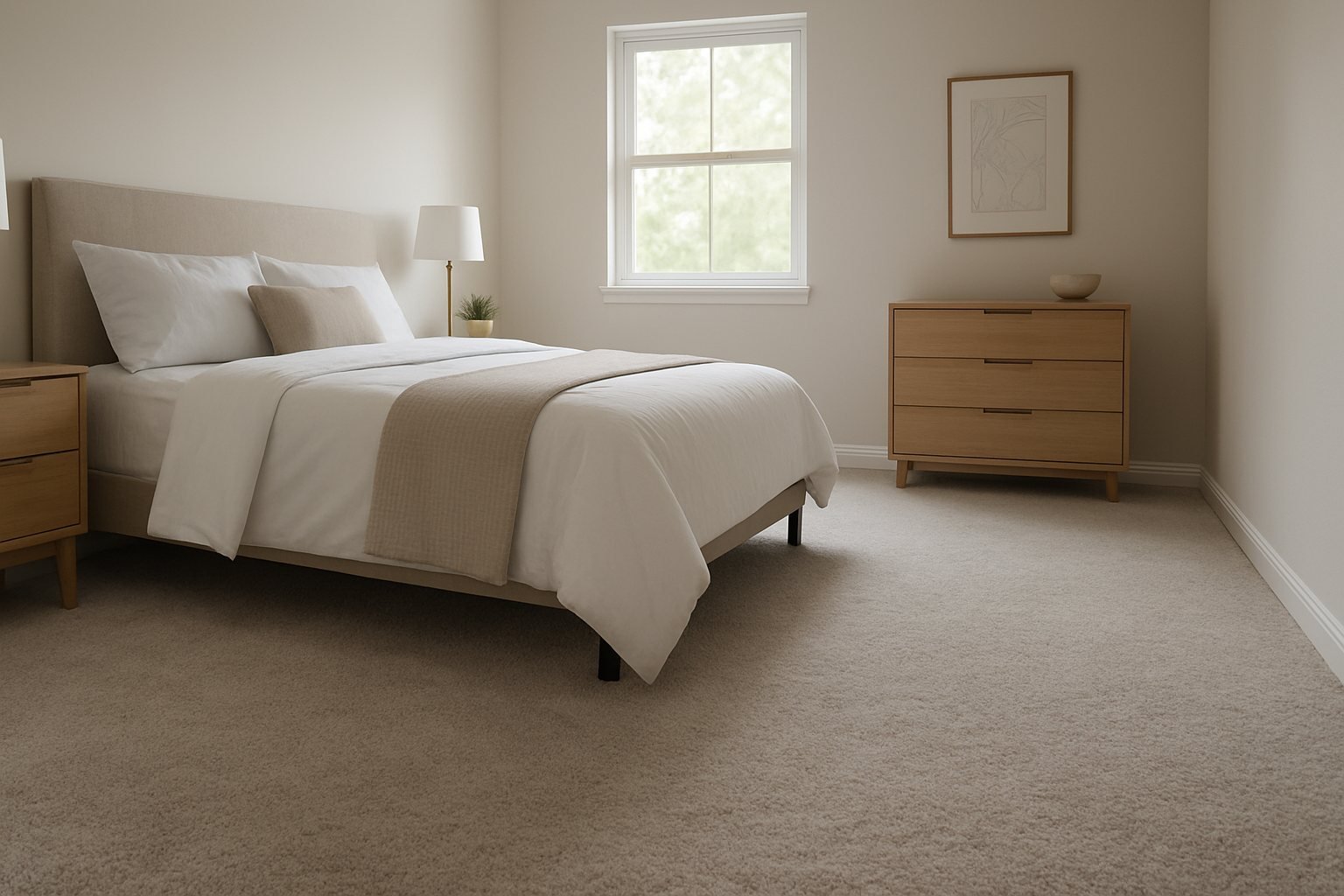
Carpet Installation in Portland, OR
The Right Fiber & Pad for the Room. Power-Stretched to Stay Flat. Planned, Sealed Seams. Clean, Safe Stair Work. Owner-Supervised. Licensed OR #241979 | WA #VRESHCL776ND.

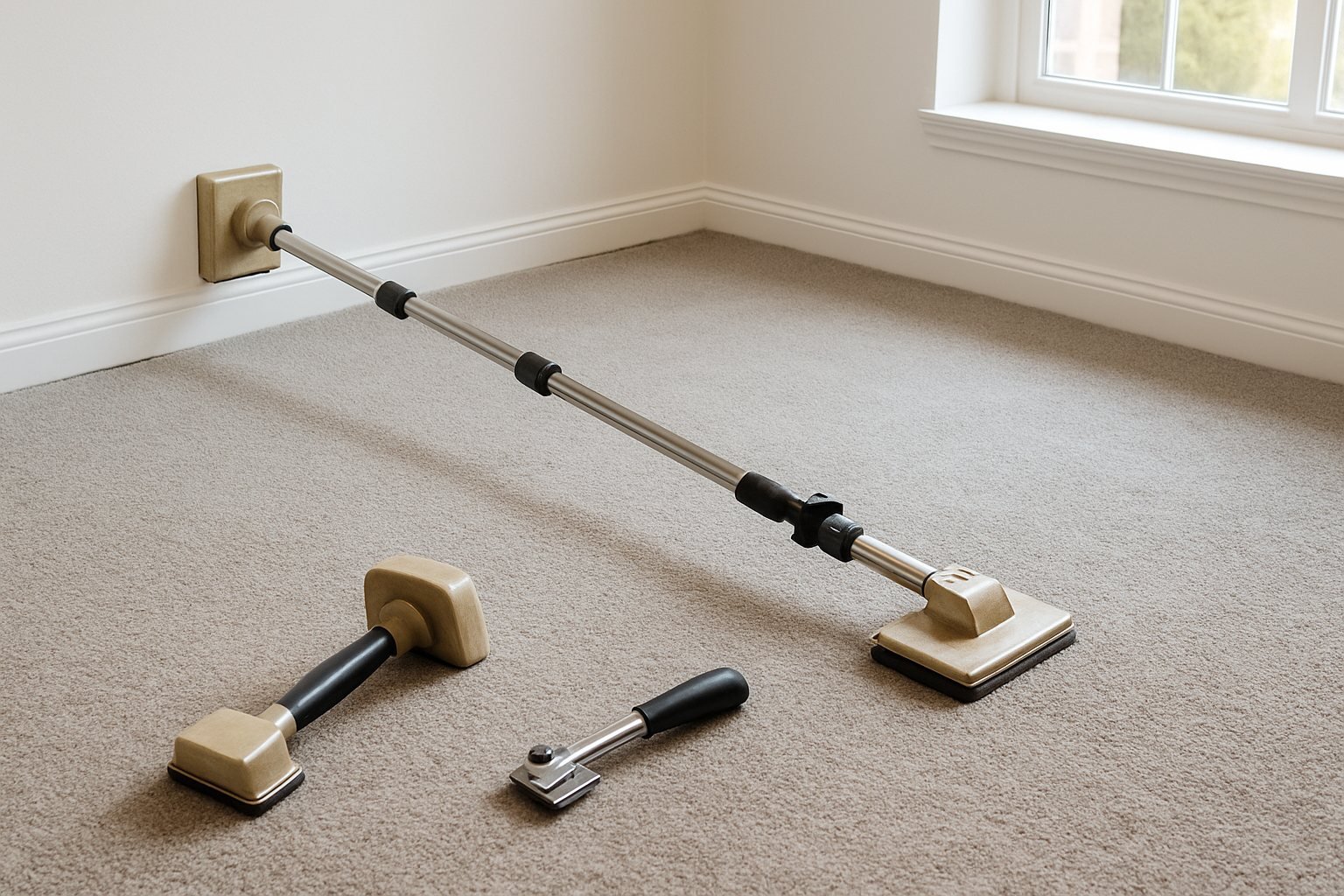
Carpet is still the right floor where you want softness, warmth, and quiet: bedrooms, stairs, family rooms, and finished basements. Two things decide whether it looks good for years or shows wear and ripples fast, and neither is the color. The first is choosing the right fiber, pile, and pad for the room and its traffic. The second is the installation itself: carpet that is simply laid rather than power-stretched over a quality pad develops wrinkles and wears at the seams. VResh handles both. We help you match the carpet to how the room is used, and our vetted carpet installers set it over the right cushion, with planned and sealed seams and proper power stretching, so it stays flat and lasts.
Coordinated & Stood Behind
Installed by our vetted carpet crew, managed by VResh
Power-Stretched
Over a quality pad, so it stays flat and wrinkle-free
Fiber, Pile & Pad Matched
Chosen for the room and its traffic
Planned, Sealed Seams
With clean, safe stair work throughout
Licensed & Insured
OR #241979 | WA #VRESHCL776ND
Written Estimates Only
Scope and cost confirmed before any work begins
(503) 272-6436 — Call or Text, Available 24/7
We answer calls and texts at any hour. For storm damage, active leaks, or structural emergencies, calling directly is the fastest path to a response.
Fiber, Pile, and Pad: The Three Choices That Decide Your Carpet
Carpet shopping looks like it is about color, but the choices that actually decide how it feels and how long it lasts are these three. We walk you through all of them.
Fiber
Nylon is the most durable and resilient fiber, the best choice for stairs, halls, and busy households. Polyester is soft and naturally stain-resistant at a lower price, ideal for bedrooms and lighter-traffic rooms, though it is less resilient than nylon. Triexta blends softness with strong durability and stain resistance. Wool is the premium natural option, beautiful and long-wearing at a higher cost, and olefin resists moisture well, which suits basements and indoor-outdoor use. We match the fiber to the room.
Pile
Pile is how the carpet is constructed. Cut pile, where the loops are sheared, gives a soft, plush surface, and a twist or frieze cut hides footprints and vacuum marks well. Loop pile, like a level loop or berber, is very durable and hides traffic, though loops can snag with pets. Patterned cut-and-loop carpets add texture that disguises wear. The pile you choose changes both the look and how the carpet holds up.
Pad, the Part Nobody Sees
The cushion under the carpet is not an upgrade to skip. The right pad density and thickness protect the carpet from crushing, make it feel better underfoot, and directly affect how long it lasts. Too thin and the carpet wears out early; too thick and it can actually void the carpet warranty. For pets, a moisture-barrier pad keeps spills from reaching the subfloor. We spec the pad to the carpet, not the other way around.
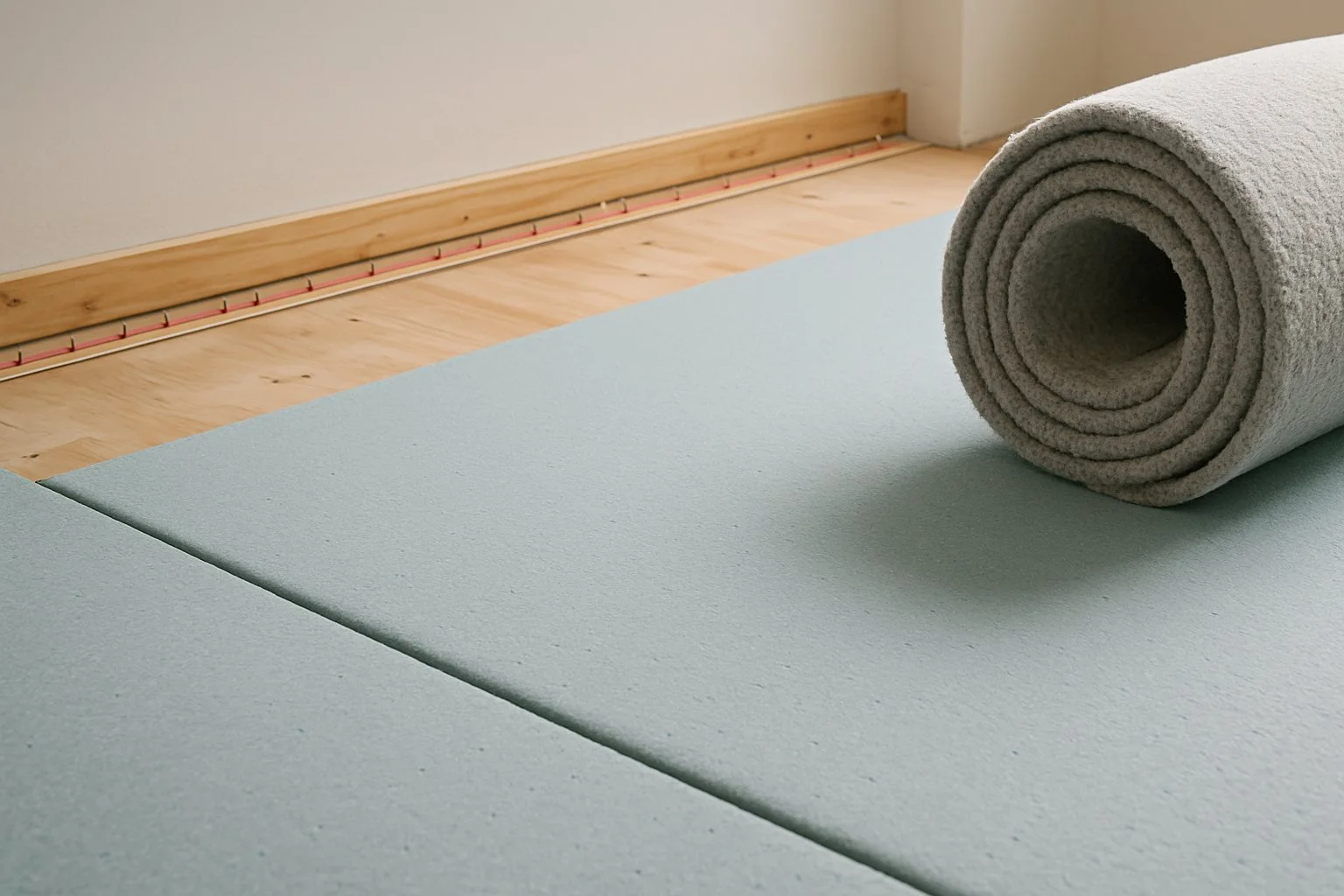
Why Installation Makes or Breaks Carpet
More carpet complaints come from installation than from the carpet itself. These are the details that keep it flat, tight, and lasting.
01
Power Stretching, Not Just Laid In
Carpet has to be stretched tight across the room with a power stretcher and secured to tack strips at the edges. Carpet that is only knee-kicked into place, the shortcut many low-bid installs take, loosens and ripples within a year or two and then needs re-stretching. Proper power stretching is the single biggest factor in a carpet that stays flat.
02
Planned, Sealed Seams
Rooms wider than a roll of carpet need a seam, and where that seam falls matters. We plan seams away from high-traffic paths and direct light where possible, and we seam-seal the edges so they do not fray or peel over time.
03
Stairs Done Right
Stairs take the most wear and the most skill. Whether the carpet is wrapped over the nose of each tread or upholstered tight to each step, it has to be fastened securely for both looks and safety. We finish stairs cleanly so they wear well and stay firmly in place underfoot.
We also prep the subfloor first, re-securing loose boards and quieting squeaks while the floor is open, since that is the only easy time to do it.
04
Built for Portland's Rain
Hard-surface floors have taken over much of the house, but carpet is still the better choice in specific spots:
Bedrooms, where soft, warm footing and quiet matter most.
Stairs, where carpet adds grip and safety and softens sound between floors.
Family and bonus rooms, where kids play on the floor and comfort wins.
Finished basements, with a moisture-aware fiber and pad over a dry, prepared slab.
05
What This Means for You
For kitchens, bathrooms, and entries, we steer you to tile or luxury vinyl instead. If you are doing a mix of rooms, we coordinate the carpet with your hard-surface flooring so transitions and heights line up. See our flooring installation page for the full picture.
How a Carpet Project Works
Carpet installs faster than most floors, but the prep and stretching are what make it last. Here is the sequence.
What's Included in a Carpet Project
Every carpet project with VResh includes the items below. Add-ons and conditional work are noted so there are no surprises on the estimate. For hard-surface rooms in the same project, see our flooring, hardwood, and tile pages, and we coordinate the whole floor so it flows.
What Carpet Installation Costs in Portland
Carpet price comes down to the carpet and pad you choose and the square footage, plus stairs and any subfloor prep. A durable builder-grade nylon in bedrooms is moderate, while premium wool or a plush high-pile carpet with an upgraded pad sits higher. Stairs are priced separately because they take more labor. Because rooms and selections vary, we price each project after measuring.
What Drives the Price
- Carpet fiber and quality: polyester and builder nylon versus premium nylon, triexta, or wool
- Pad density and thickness, and whether a moisture barrier is added
- Square footage and the number of seams
- Stairs, which are labor-intensive and priced per step or flight
- Removal of old flooring and any subfloor repair
You will get a written, itemized estimate before any work begins, with no verbal numbers and no pressure. To price your rooms, request a free estimate or call or text (503) 272-6436.
Caring for Your Carpet
A little routine care keeps carpet looking new and protects the warranty.
Vacuum regularly, and more often in high-traffic areas, since it is ground-in grit that wears carpet down.
Treat spills immediately by blotting, not rubbing, and work from the outside of the spot inward.
Have the carpet professionally cleaned every 12 to 18 months. Most manufacturer warranties actually require periodic professional cleaning, so keep the receipts.
Use walk-off mats at entries and move heavy furniture occasionally to even out wear and avoid permanent crushing.
Cared for this way, a quality carpet over a good pad stays comfortable and attractive for many years.


What Portland Homeowners Say
VResh Construction has completed more than 500 projects across the Portland metro with a 5.0 rating on Google. The reviews below are pulled live from our Google Business Profile, so what you see is current and unfiltered.

Serving Portland Metro Area
VResh Construction provides window replacement, siding installation, roofing, dry rot repair and full exterior renovation services throughout the Portland metro area and Southwest Washington.